How to Transplant Boston ivy?
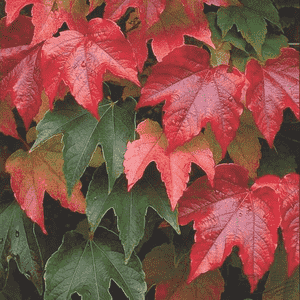
The most favorable time to transplant boston ivy is in the spring, when moderate temperatures aid in root development. Select a site offering robust structures for climbing and abundant light exposure. Verify that the soil drains effectively to encourage vigorous development.
Essential Preparations Before Relocating Boston Ivy
Optimal Period for Moving Boston Ivy?
The prime time for relocating boston ivy is during the spring season. This aligns with its dormant phase, minimizing transplant stress and encouraging strong root development prior to summer's peak. Moving boston ivy during these months benefits from cooler temperatures and increased spring rainfall, which aid root growth and lessen the need for extra watering. A friendly reminder: This timing is perfect for giving boston ivy a robust start in its new spot!
Required Spacing Between Boston Ivy Plants?
When relocating boston ivy, ensure a distance of approximately 3-5 feet (1-1.5 meters) between plants. This might appear generous, but it provides each plant ample room to flourish and reach its full potential!
Ideal Soil Blend for Boston Ivy Relocation?
Prepare your soil: boston ivy prefers soil that drains well and is fertile. Incorporating organic compost or aged manure enhances soil quality. Before transplanting, mix in a slow-release granular fertilizer to supply essential nutrients.
Choosing a New Location for Your Boston Ivy?
Boston ivy thrives in conditions ranging from full sun to partial shade. Therefore, select a garden spot that offers a blend of both, ensuring they receive at least 3 hours of direct sunlight daily. Happy relocating!
Tools to Prepare Before Transplanting Boston Ivy?
Gardening Gloves
To safeguard your hands while handling the plant and soil.
Garden Trowel
This will be useful for excavating the plant, especially if it's in a container or seedling tray.
Garden Spade or Shovel
For digging the hole in your chosen site, these implements are crucial.
Pruning Shears
These might be necessary to trim any damaged roots or branches.
Garden Hose or Watering Can
To hydrate the boston ivy after it has been moved.
Stakes and Garden Twine
In case the boston ivy requires support post-transplant.
Method for Extracting Boston Ivy from the Soil?
Method for Extracting Boston Ivy from the Soil?
From Ground: Start by moistening the soil around the boston ivy to facilitate digging. Using your garden spade or shovel, carefully work around the plant's base, maintaining a wide distance from the stem to avoid harming the root ball. Continue digging until the surrounding soil is sufficiently loose, allowing you to gently lift the plant from its position. From Pot: Pre-watering is also beneficial here. Use a trowel to carefully loosen the soil along the pot's edges. Turn the pot sideways, grasp the boston ivy near its base, and gently ease it out. Handle the root ball with care to prevent damage. From Seedling Tray: If the boston ivy is in a seedling tray, it should be straightforward to remove by gently pushing it up from the bottom. Hold the plant by its leaves rather than the stem, as leaves are generally stronger, and pull it out.
Step-by-Step Guide for Relocating Boston Ivy
Preparation
Water the boston ivy and its new site a few hours before your planned relocation. This will help lessen shock during the move.
Hole Preparation
Excavate a hole in the new location, ensuring it's deep and wide enough to accommodate the boston ivy's root ball.
Planting
Position the boston ivy in the hole. The top of the root ball should be level with or slightly above the ground surface. Backfill the hole with soil, making sure no air pockets remain.
Thorough Watering
After planting, water the boston ivy extensively. This will help settle the soil around the roots and reduce transplant shock.
Provide Support if Necessary
Depending on the plant's size and wind conditions, you might need to stake the boston ivy and offer support.
Post-Transplant Care for Boston Ivy?
Watering
Water consistently but avoid over-saturating, as this can harm the plant. The top layer of soil should be dry before re-watering.
Pruning
Postpone any trimming until your boston ivy displays signs of new growth; this allows the plant to recover from the relocation stress.
Protection
If frost is anticipated, cover your boston ivy with a frost blanket for protection. Remove the cover once the frost danger has passed.
Monitoring
Observe your boston ivy for any indications of distress, such as yellowing leaves or wilting, which could signal an issue.
Resolving Common Issues with Boston Ivy Relocation.
When is the optimal season to move boston ivy?
The best season to move boston ivy is between early spring and early summer. This period allows the plant to adjust to its new growing environment.
What spacing should I maintain between each boston ivy plant during relocation?
Each boston ivy plant requires room to expand, so ensure approximately 3-5 feet (0.9-1.5 meters) of space between each plant to facilitate growth.
Why is my relocated boston ivy plant wilting?
Wilting after relocation is common. However, if it persists, ensure boston ivy receives adequate water, but be cautious not to over-water, as this could lead to root rot.
What type of soil is ideal for relocating boston ivy?
Boston ivy prefers well-drained soil rich in organic matter. If the soil is too dense, try improving its structure with compost.
What action should I take if the leaves of my relocated boston ivy turn yellow?
Yellowing leaves might indicate overwatering or poor drainage. Ensure the boston ivy is in well-drained soil and water less frequently. If the issue continues, consider soil pH or nutrient deficiencies.
Can I move boston ivy into a shaded area?
Yes, boston ivy tolerates shade and can be relocated to shaded spots. However, for optimal color and growth, a location with partial sun is preferable.
How deep should the hole be when relocating boston ivy?
When relocating boston ivy, dig a hole twice the size of the root ball. This will provide ample space for the roots to spread and establish freely.
How often should I water boston ivy after relocation?
Post-relocation, boston ivy needs sufficient moisture. Water them thoroughly and then only as required when the soil feels dry to the touch.
Why is my boston ivy not growing after being relocated?
A potential reason could be transplant shock, a condition characterized by slowed growth and reduced vitality. Ensure your boston ivy receives ample sunlight, well-draining soil, and sufficient but not excessive water.
Is it necessary to prune boston ivy after relocation?
It's not essential to prune boston ivy immediately after relocation. However, occasional pruning can encourage healthier, more balanced growth. Remember, pruning is best done in late winter or early spring.



