How to Transplant Virginia creeper?
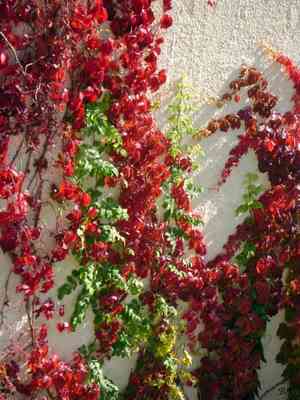
Relocate Parthenocissus quinquefolia preferably between late spring and mid-summer, or late autumn and early winter, to guarantee root establishment without undue strain. Select a site featuring adequately draining earth and exposure to partial or full solar illumination. Be sure to carefully untangle the root ball for peak development.
What Preparations are Needed Before Transplanting Virginia Creeper?
What is the Ideal Time for Transplanting Virginia Creeper?
Move virginia creeper during late spring to mid-summer, or late fall to early winter for optimal development. This timing aids root establishment, lessens stress, and ensures a robust, flourishing plant.
How Much Space Should You Leave Between Virginia Creeper Plants?
When relocating virginia creeper, ensure a spacing of 5-10 feet (1.5-3 meters) between them. This provides ample room for growth and tendril expansion.
What is the Best Soil Mix for Virginia Creeper Transplanting?
For virginia creeper, well-draining soil is best, ideally a loam and sand blend. Incorporate a slow-release, balanced fertilizer (e.g., 10-10-10) to supply essential nutrients for vigorous growth.
Where Should You Relocate Your Virginia Creeper?
Virginia creeper thrives in partial shade to full sun. Select a spot receiving at least 4-6 hours of direct sunlight daily, though it can also endure semi-shaded conditions.
What Equipments Should You Prepare Before Transplantation Virginia Creeper?
Gardening Gloves
To safeguard your hands while handling soil and the plant.
Trowel
For excavating holes and shifting soil during the virginia creeper transplant process.
Shovel or Spade
To dig around and extract the plant from the ground or a larger container.
Pruning Shears or Scissors
For trimming any dead, damaged, or superfluous roots and stems.
Watering Can or Hose
To hydrate the virginia creeper during and after its relocation.
Gardening Stakes and String (optional)
To offer support or guide the virginia creeper's growth if necessary.
How Do You Remove Virginia Creeper from the Soil?
How Do You Remove Virginia Creeper from the Soil?
- From Ground:First, moisten the soil around the virginia creeper. Then, dig a wide trench around the plant with a shovel or spade, keeping the root ball intact. Carefully work the spade beneath the root ball to lift the plant from its original spot.- From Pot:Begin by watering the virginia creeper to dampen the soil. Lay the pot on its side and gently press the sides to loosen the root ball. Carefully slide the plant out, preserving the root ball's shape.- From Seedling Tray:Using a trowel, gently ease the virginia creeper seedlings from their trays, trying not to disturb the roots. It's best to transplant seedlings when they have at least two sets of true leaves for better survival.
Step-by-Step Guide for Transplanting Virginia Creeper
Site Selection
Choose a location with adequate sunlight and room for your virginia creeper to reach its mature size.
Prepare Hole
Excavate a hole at the chosen site using a trowel. The hole should be twice as wide and deep as the virginia creeper's root ball.
Root Preparation
If the virginia creeper's roots are constricted or matted, gently untangle them to encourage outward growth. Trim any dead, damaged, or overly long roots with pruning shears or scissors.
Plant Placement
Position the virginia creeper in the hole so the top of the root ball is level with the surrounding soil. Spread out the roots to prevent entanglement.
Fill Hole
Backfill the hole with soil, gently pressing it around the plant to minimize air pockets and secure it.
Watering
Thoroughly water the virginia creeper once transplanted, ensuring the moisture reaches the root zone.
How Do You Care For Virginia Creeper After Transplanting?
Watering
Keep the soil around the virginia creeper consistently moist, but not waterlogged, for the initial weeks post-transplant to foster strong roots.
Pruning and Training
Remove any damaged or dead foliage from the virginia creeper after transplanting. Guide the vine to grow along a structure, if desired, by securing it to a trellis, fence, or wall with string or gardening stakes for support.
Pest Control
Monitor the virginia creeper for any indications of pests or diseases, and address them promptly using eco-friendly methods.
Frost Protection
If frost is anticipated, cover the virginia creeper with a frost cloth or other light material to help shield the newly transplanted plant from harm.
Troubleshooting Common Issues with Virginia Creeper Transplantation.
When is the ideal time to transplant virginia creeper?
The perfect time to relocate virginia creeper is late spring to midsummer or late fall to early winter.
What is the recommended spacing between virginia creeper plants?
To allow for growth, space virginia creeper plants 5-10 feet (1.5-3 meters) apart.
How deep should I dig a hole when transplanting virginia creeper?
Dig the hole 12-15 inches (30-38 cm) deep, providing space for the root system to grow.
What type of soil should I use for transplanting virginia creeper?
Virginia creeper prefers well-drained, moist, loamy soil with a pH level between 6 and 7.5.
How can I properly remove virginia creeper from its current location?
Carefully dig around the plant, preserving at least 10 inches (25 cm) of the root ball to avoid damage.
Should I water virginia creeper before transplanting?
Yes, thoroughly water the plant a few hours before transplanting to ease the shock and stress.
What steps should I take to prepare the planting area for virginia creeper?
Till the soil, remove weeds, and mix in organic compost, ensuring it's well-drained for optimal growth.
How can I settle the soil around virginia creeper after transplanting?
Firmly press down the soil around the plant and water generously to help settle the soil.
How often should I remove excess growth after transplanting virginia creeper?
You should regularly prune virginia creeper to maintain a healthy shape and prevent it from becoming invasive.
Would a support structure benefit my newly transplanted virginia creeper?
Yes, providing a support structure, like a trellis, helps virginia creeper climb and grow in a beautiful pattern.



