How to Transplant Oriental poppy?
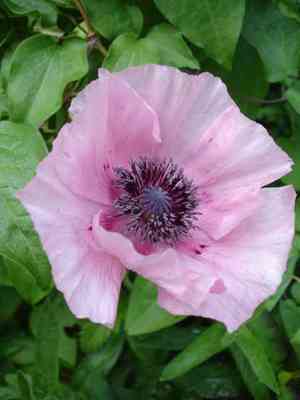
For optimal results, relocate oriental poppy during the mild temperatures of mid to late spring. Select a bright location featuring soil that drains effectively to foster robust development. Exercise caution and handle the root ball with care during the transplanting process to prevent harm to this fragile specimen.
What Preparations are Necessary Before Relocating Oriental Poppy?
When is the Best Time to Move Oriental Poppy?
The perfect period for oriental poppy relocation spans from mid-spring to late-spring. This timeframe offers moderate temperatures, which foster root development and new growth. Such timely relocation supports vigorous growth and abundant blooms, making oriental poppy a garden highlight.
What Distance Should You Maintain Between Oriental Poppy Plants?
When moving oriental poppy, aim to position plants 12-18 inches (30-45 cm) apart. This spacing will provide ample room for them to thrive without becoming overcrowded.
What is the Optimal Soil Blend for Oriental Poppy Relocation?
For an ideal soil environment, oriental poppy needs well-drained, loamy soil abundant in organic matter. Incorporate a slow-release, all-purpose garden fertilizer during preparation to establish a nutrient-rich foundation for your plants.
Where Should You Replant Your Oriental Poppy?
When selecting a new site for oriental poppy, choose a location that receives full sun to partial shade for optimal growth. Be sure to avoid areas with dense or poorly draining soil.
What Tools Should You Prepare Before Moving Oriental Poppy?
Gardening gloves
To safeguard your hands while handling soil and oriental poppy.
Shovel or garden trowel
Required for excavating holes and extracting oriental poppy from its original spot.
Wheelbarrow
Useful for transporting the plant, especially if it's a larger specimen.
Gardening hose
Used to irrigate the oriental poppy during and after its relocation.
Organic matter
Helps enhance soil drainage and nutrient content.
Garden fork
Beneficial for loosening soil in both the planting hole and around the plant's initial position.
Root slicer or sharp knife
For trimming roots if needed.
How Do You Extract Oriental Poppy from the Soil?
How Do You Extract Oriental Poppy from the Soil?
From Ground: Begin by watering the oriental poppy to moisten the surrounding soil. This facilitates easier removal and minimizes root damage. Using a shovel or spade, dig a wide circle around the plant, being careful to avoid the main roots. Once you've dug deep enough beneath the root ball, gently lift the plant from its original location.From Pot: Water the oriental poppy, then tilt the pot sideways. Pull the pot away from the plant while tapping its sides to loosen the soil and roots. If the plant resists, you can carefully slide a knife along the inner edge of the pot to free it.From Seedling Tray: Gently water the seedlings. Using a spoon or small trowel, carefully scoop out each oriental poppy seedling, retaining as much soil around the roots as possible.
Step-by-Step Guide for Relocating Oriental Poppy
Preparation
First, prepare the new site by digging a hole approximately twice the width of the oriental poppy's root ball and of equal depth. Incorporate organic matter into the hole and mix it with the existing soil.
Relocation
Gently place oriental poppy in the hole, ensuring the top of the root ball is slightly below or level with the ground. Backfill the hole with soil, gently firming it around the plant to ensure stability and an upright position.
Watering
Water thoroughly after planting to settle the soil around the roots and help the plant adapt to its new environment.
Ongoing Care
For the initial few weeks, closely observe the oriental poppy, checking for wilting or signs of stress. Monitor for pests and diseases, as the plant may be more vulnerable during this period.
How Do You Care For Oriental Poppy After Relocation?
Watering
Ensure the oriental poppy receives sufficient water, especially during hot, dry spells. This encourages deeper root growth.
Mulching
To help retain moisture, stabilize soil temperature, and suppress weeds, apply 2-4 inches of mulch around the oriental poppy, keeping it away from the stem.
Pruning
Removing spent flowers promotes further growth and a healthier plant. However, avoid significant pruning during the first year as the plant establishes itself.
Pest Control
Watch for indications of pests or disease. Early detection leads to simpler treatment and healthier plants.
Addressing Common Issues with Oriental Poppy Relocation.
What's the optimal time of year to move oriental poppy?
Relocate your oriental poppy from mid-spring to late spring for the best outcomes. During this season, the weather conditions are ideal for oriental poppy's development.
What is the recommended spacing when planting oriental poppy?
Ensure plants are positioned 12-18 inches (30-45 cm) apart. Adequate spacing allows each oriental poppy to receive enough sunlight and fosters robust growth.
Why is my relocated oriental poppy wilting?
Wilting after relocation might be due to insufficient water. Water oriental poppy thoroughly after moving it, and continue to do so until it establishes itself in its new spot.
Do I need to add any amendments to the soil when moving oriental poppy?
Oriental poppy prefers nutrient-rich loam with good drainage. Add compost to the soil if it lacks nutrients, ensuring vigorous growth for your oriental poppy.
How should I prepare the soil before relocating oriental poppy?
Remove any weeds, rototill the soil, and add compost if necessary. This preparation creates a healthy environment for oriental poppy.
Why are the leaves on my relocated oriental poppy turning yellow?
Yellow leaves could signal overwatering or poor soil drainage. Ensure the oriental poppy is watered appropriately and the soil drains effectively.
How do I handle oriental poppy during the relocation process?
Handle oriental poppy with care during relocation. Avoid damaging the roots and ensure the root ball remains intact while moving it.
How deep should I dig the hole for relocating oriental poppy?
Plant oriental poppy at the same depth they were in their previous location. The hole should be wide enough to accommodate the root system.
Can I relocate oriental poppy into a pot?
Yes, you can. However, ensure the pot is sufficiently large for root development and has adequate drainage holes to prevent waterlogging.
How do I know if my relocated oriental poppy is healthy?
Healthy oriental poppy will have firm, non-wilted leaves. They will also exhibit signs of new growth soon after being relocated if all conditions are favorable.



