How to Transplant Paeonia Mascula?
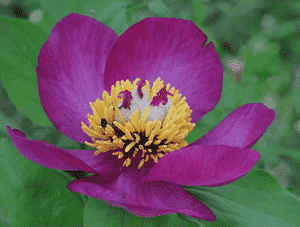
The ideal period for relocating wild peony is during the spring, since warmer ground temperatures foster root development. Select a location featuring soil that drains effectively and receives partial sunlight. During the transplanting process, exercise caution to safeguard the fragile root system of wild peony.
What Preparations are Necessary Before Relocating Wild Peony?
What is the Optimal Period for Moving Wild Peony?
The best time for relocating wild peony is during the spring awakening. Transplanting in early spring promotes strong root development before the summer heat, ensuring a successful transition.
How Much Clearance Should You Provide Between Wild Peony Plants?
Ensure each wild peony has ample room! The ideal spacing between plants is approximately 2-3 feet (60-90 cm), allowing their roots to spread and flourish. Always measure from the center of one plant to the next. This will create an optimal growing environment for each one!
What is the Best Soil Mixture for Wild Peony Relocation?
Wild peony thrives in fertile, well-drained soil. Prepare the garden by incorporating generous amounts of compost or aged manure. A suitable starter fertilizer (high in phosphorus) will encourage root growth. This careful preparation will result in stronger, healthier plants!
Where Should You Replant Your Wild Peony?
Wild peony flourishes best with ample sunlight, yet benefits from afternoon shade in hotter climates. Be sure to select a location that receives direct morning sun but is somewhat shielded from the intense afternoon rays. This will keep your plant content and blooming!
What Tools Should You Prepare Before Relocating Wild Peony?
Gardening Gloves
To safeguard hands while handling soil and the plant.
Trowel
To excavate the wild peony from its original spot without harming the roots.
Spade
Useful for digging the new planting site.
Watering Can
For keeping the plant hydrated before and after relocation.
Bucket or Container
To transport the uprooted plant, minimizing the risk of root damage.
Burlap
If the roots are extensive, wrapping them in moist burlap will help maintain hydration during transit.
Pruning Shears
To trim away any dead or damaged roots.
How Do You Extract Wild Peony from the Ground?
How Do You Extract Wild Peony from the Ground?
From Ground: Water the wild peony plant generously the day before the move. This facilitates easier removal and reduces stress on the plant. Dig a wide circle around the wild peony plant using the trowel, ensuring all roots are included. Carefully lift the wild peony plant from the ground.From Pot: Water the wild peony plant in the pot to saturate the root ball. Grasp the plant at its base and gently pull while tapping the pot's sides to release the plant. Be careful not to break or damage the roots during this process.From Seedling Tray: Water the seedling tray to help the plants slide out more easily. Push from the bottom of each cell while gently pulling at the base of the wild peony plant. Avoid damaging the root system as seedling trays are typically very confined.
Step-by-Step Guide for Relocating Wild Peony
Preparation
Once your wild peony is uprooted, prepare the new site. Dig a hole twice as wide and as deep as the plant's root system.
Placement
Position the wild peony plant in the center of the hole so it stands upright. Ensure the plant's crown is level with the soil surface.
Backfilling
Refill the hole with the excavated soil, making sure there are no air pockets. Be gentle to avoid damaging the roots. Press the soil down firmly but do not compact it too tightly.
Watering
Water the wild peony plant thoroughly to settle the soil around the roots. Be careful not to overwater and to prevent water accumulation.
How Do You Care For Wild Peony After Relocation?
Monitoring
Keep a close watch on the wild peony after transplantation. It might exhibit signs of stress, such as wilting or browning, but this should improve over time.
Pruning
It's advisable to prune back the wild peony after relocating; this will allow the plant to direct energy towards regrowing its roots.
Watering
Water the wild peony regularly, especially during the initial weeks. However, ensure the soil does not become waterlogged.
Pest management
Watch out for pests. As the wild peony is in a vulnerable state post-transplant, it may be more susceptible to pests and diseases.
Mulching
Apply mulch around the base of the plant to aid in moisture retention and weed suppression.
Troubleshooting Common Issues with Wild Peony Relocation.
When is the ideal season for relocating wild peony?
The best time to relocate wild peony is spring through early summer, known as S1-S3. This ensures optimal growth.
What is the ideal spacing when relocating wild peony?
You should aim for 2-3 feet (60-90 cm) apart. Providing enough space helps wild peony to grow and flourish.
How deep should I plant wild peony during relocation?
Plant wild peony about 1-2 inches (2.5-5 cm) deep. It's not too deep to hinder growth, but deep enough to provide stability.
Should I water wild peony immediately after relocating?
Wild peony loves moderately moist soil, so yes, water it right after relocating, ensuring the soil is damp but not soaked.
What kind of soil is best for relocating wild peony?
Wild peony prefers well-drained, rich soil with a neutral to slightly acidic pH. To enrich your soil, consider adding compost or manure.
How to care for wild peony immediately after relocating?
Keep wild peony in indirect sunlight and water regularly but don't overwater. Check for pests, diseases and make sure the soil moisture is balanced.
What to do if wild peony wilts after relocating?
Don't panic, wilting might occur due to relocation shock. Water it properly and keep it away from direct sunlight for a few days.
Why are the leaves of my wild peony Turning yellow after relocating?
Yellow leaves might indicate overwatering. Cut back on water, and check if the soil is well-drained enough to prevent water-logging.
Should I prune wild peony after relocation?
No need for immediate pruning! Allow wild peony to adjust to its new environment. Pruning can be done later if necessary, especially to remove damaged parts.
Can I fertilize wild peony right after relocating?
Wait at least 2-4 weeks before fertilizing wild peony after relocation. Use a slow-release, balanced fertilizer to encourage healthy growth without overwhelming the plant.



