How to Transplant Creeping woodsorrel?
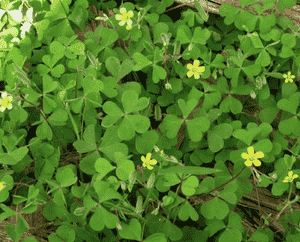
For creeping woodsorrel, the prime period for transplantation is from the mild warmth of late spring through early summer, which facilitates superior root development. Best results are achieved in a brightly illuminated, well-ventilated location featuring damp, adequately draining earth. Gentle management during this phase supports its development.
What Preparations are Needed Before Transplanting Creeping Woodsorrel?
What is the Ideal Time for Transplanting Creeping Woodsorrel?
The optimal period for relocating creeping woodsorrel is from late spring to early summer. This timeframe allows roots to establish before intense heat. Moving creeping woodsorrel during this window promotes maximum root development, ensuring a strong base for the warmer months ahead. Utilizing this season encourages vigorous growth, as mild weather conditions are conducive to creeping woodsorrel's adaptation to its new environment.
How Much Space Should You Leave Between Creeping Woodsorrel Plants?
For creeping woodsorrel, ensure ample spacing. Ideally, aim for 0.5-1 feet (15-30 cm) between individual plants. This provides sufficient room for root expansion and aids in nutrient absorption.
What is the Best Soil Mix for Creeping Woodsorrel Transplanting?
Prior to moving creeping woodsorrel, confirm your soil drains well and incorporate a foundational fertilizer. An excellent compost blend thoroughly mixed into the existing soil is perfect. This prevents waterlogging and supplies essential nutrients to the plant.
Where Should You Relocate Your Creeping Woodsorrel?
When selecting a new spot for creeping woodsorrel, seek an area with abundant sunlight. These plants thrive with a balanced exposure to sun and shade – so, ideally, a location that receives both throughout the day.
What Equipments Should You Prepare Before Transplantation Creeping Woodsorrel?
Gardening Gloves
To shield your hands from scrapes and dirt while working with soil and plants.
Shovel or Trowel
For excavating the plant and creating a new planting hole in the ground.
Pruning Shears
To remove any dead or damaged portions of the creeping woodsorrel.
Watering Can or Garden Hose
To hydrate the plant before, during, and after the relocation process.
Wheelbarrow or Container
To safely move the plant from its original spot to the new one.
Transplant Fertilizer
To encourage the creeping woodsorrel to establish its root system in the new location.
How Do You Remove Creeping Woodsorrel from the Soil?
How Do You Remove Creeping Woodsorrel from the Soil?
From Ground: Start by thoroughly watering the creeping woodsorrel to moisten the soil, making extraction easier and less stressful for the plant. Next, using your shovel or trowel, dig a wide trench around the plant, deep enough to get beneath the root ball without causing damage. Once the circle is complete, carefully lift the plant and its root ball from the ground.From Pot: First, water the creeping woodsorrel to loosen the soil. Invert the pot while holding your fingers spread over the soil, around the plant's stem. Gently squeeze or tap the pot's sides to release the plant. If the pot doesn't come off easily, cut it away rather than risking root damage.From Seedling Tray: Moisten the tray to soften the soil, then use a small trowel or your fingers to lift each creeping woodsorrel seedling, along with its root system and surrounding soil, from the tray.
Step-by-Step Guide for Transplanting Creeping Woodsorrel
Preparation
Before beginning, water the creeping woodsorrel in its current spot. This will help keep the roots hydrated during the relocation process.
Hole Formation
Excavate a new hole at the transplant site. The hole should be sufficiently deep and wide to comfortably accommodate the plant's root ball.
Transplanting
Place creeping woodsorrel into the new hole, positioning it at the same depth it was in its original location. Backfill the hole with soil, ensuring the creeping woodsorrel stands upright. Be careful not to harm the plant during this step.
Watering
Thoroughly water creeping woodsorrel immediately after moving it.
Extra care
Apply a transplant fertilizer around the base of the creeping woodsorrel to give the roots a strong start.
How Do You Care For Creeping Woodsorrel After Transplanting?
Monitoring
Observe your relocated creeping woodsorrel regularly for the initial few weeks to ensure it adapts well. Avoid disturbing the plant as much as possible.
Watering
Water creeping woodsorrel consistently, but do not allow it to sit in waterlogged soil. Overwatering can be just as detrimental as underwatering.
Pruning
If any part of the plant exhibits signs of stress or disease, remove those sections using pruning shears. This helps the plant direct its energy towards new growth.
Repellents
If pests become an issue, consider employing organic or synthetic repellents to prevent them from harming your creeping woodsorrel.
Troubleshooting Common Issues with Creeping Woodsorrel Transplantation.
When is the best time to transplant creeping woodsorrel?
The optimal time to move creeping woodsorrel is from late summer to early autumn (S3-S4). It responds favorably to the cooler temperatures during these seasons.
How much should I space creeping woodsorrel when transplanting?
Approximately 0.5 to 1 foot (15 to 30 cm) of space is ideal when relocating creeping woodsorrel. This allows for proper development without overcrowding.
Do I need any special soil preparation before transplanting creeping woodsorrel?
Creeping woodsorrel is not particular about soil. However, ensure it drains well, as waterlogged conditions can lead to root rot.
How deep should I plant creeping woodsorrel during transplanting?
When transplanting, bury creeping woodsorrel just deep enough to cover its roots. Planting too deep can hinder growth, while too shallow may expose roots.
How should I water creeping woodsorrel after transplanting?
Water creeping woodsorrel thoroughly after transplanting, but then allow the top inch (2.5 cm) of soil to dry before re-watering to prevent waterlogging.
Should I prune creeping woodsorrel when transplanting?
Pruning is not essential when relocating creeping woodsorrel. If desired, prune to shape or manage size but avoid extensive cuts.
How do I deal with transplant shock in creeping woodsorrel?
To minimize transplant shock in creeping woodsorrel, keep it adequately watered but avoid overwatering. Also, transplant during the cooler parts of the day.
How should I handle the roots of creeping woodsorrel during transplanting?
Handle creeping woodsorrel's roots gently during relocation to prevent damage. Shake off excess soil and untangle the roots before planting.
What can I do if creeping woodsorrel shows signs of disease after transplanting?
If creeping woodsorrel exhibits disease symptoms, isolate it. If unsure, consult a local garden center or extension service for advice.
How long will creeping woodsorrel take to establish after transplanting?
Creeping woodsorrel establishes quickly once relocated. Expect new growth within 2-4 weeks. Remember to maintain good care practices during this period.



