How to Transplant American hophornbeam?
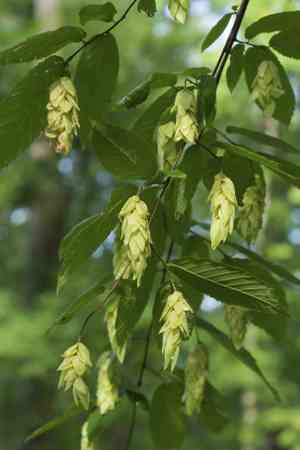
For american hophornbeam, the optimal period for relocation spans from late spring through mid-summer, providing perfect temperatures for root development. Choose a location featuring adequately draining soil and partial shade. Guarantee consistent irrigation after transplanting to facilitate adaptation.
What Preparations are Needed Before Transplanting American Hophornbeam?
What is the Ideal Time for Transplanting American Hophornbeam?
The optimal period for relocating american hophornbeam spans from late spring to mid-summer. During this season, the moderate weather allows roots to establish effectively without intense heat stress. Moving american hophornbeam at this time leverages the growing season's momentum, promoting strong development and a smooth transition to its new spot. My friendly advice? Act promptlyâthis is when your american hophornbeam will thrive after moving!
How Much Space Should You Leave Between American Hophornbeam Plants?
When transplanting american hophornbeam, ensure each plant has ample room to develop. I suggest a spacing of approximately 10-15 feet (3-4.5 meters) between them. This allows the plants to reach full maturity without competing for resources.
What is the Best Soil Mix for American Hophornbeam Transplanting?
American hophornbeam thrives in well-drained, loamy soil. Before transplanting, incorporate some foundational fertilizer into the soil. This could be organic material like compost, which supplies nutrients and enhances good structure and moisture retention.
Where Should You Relocate Your American Hophornbeam?
Let's find a location for your american hophornbeam that receives full sun or partial shade. This plant benefits from ample indirect sunlight, but can also endure some shade. Just avoid dense, dark areas, as this might hinder its growth.
What Equipments Should You Prepare Before Transplantation American Hophornbeam?
Trowel
For digging and shifting small quantities of soil. Useful for extracting the american hophornbeam from a container or seedling tray.
Shovel
Necessary for excavating the new planting hole and for removing the american hophornbeam from the ground.
Gardening Gloves
To safeguard your hands while handling soil and the american hophornbeam.
Garden Hose or Watering Can
To provide water to the american hophornbeam during and after its relocation.
Mulch
To assist in maintaining moisture levels in the american hophornbeam's new environment.
Pruning Shears
For trimming any damaged roots or branches either before or after the transplanting process.
Wheelbarrow
To transport the american hophornbeam and any extra soil required.
How Do You Remove American Hophornbeam from the Soil?
How Do You Remove American Hophornbeam from the Soil?
From Ground: Before extracting the american hophornbeam from the ground, water the plant to slightly moisten the soil, which will facilitate its removal. Next, dig a trench around the plant, ensuring the root ball remains intact. Carefully loosen the soil and work the shovel beneath the root ball to free the plant.From Pot: Lightly water the american hophornbeam and gently tilt the pot sideways, then tap the bottom of the pot lightly. The plant should slide out easily; if not, a trowel can be used to carefully ease the plant out without harming the root ball.From Seedling Tray: Water the trays beforehand, then gently push the root ball from below or use a trowel to lift the seedling out. Be careful not to pull the seedling out by its stem.
Step-by-Step Guide for Transplanting American Hophornbeam
Digging the Hole
Excavate a hole that is approximately twice as wide and the same depth as the american hophornbeam's root ball. This provides space for the roots to expand in their new location.
Inspection
Use your pruning shears to remove any damaged or broken roots before placing the american hophornbeam into the new hole.
Placement
Position the american hophornbeam in the hole, ensuring it is not planted deeper than it was in its original spot. The top of the root ball should be level with or slightly above the surrounding soil.
Filling and Pressing
Backfill the hole with the original soil and gently firm it around the root ball. Avoid compacting it too tightly, as this can impede root development.
Watering
Thoroughly water the american hophornbeam after planting. This helps to settle the soil around the roots and minimizes transplant shock.
Mulching
Apply a layer of mulch around the american hophornbeam, leaving a small gap around the stem. This helps to conserve moisture and prevent weed growth.
How Do You Care For American Hophornbeam After Transplanting?
Watering
Water the american hophornbeam regularly, ideally in the morning. Ensure the soil remains moist but not waterlogged.
Pruning
Remove any damaged or diseased branches to help the american hophornbeam direct its energy towards root development.
Mulching
Replenish the mulch as needed to maintain a layer that aids soil moisture retention and inhibits weed growth.
Monitoring
Observe the american hophornbeam for any indications of transplant shock, such as wilting or yellowing leaves. If this occurs, continue proper care and consider seeking advice from a local garden center or extension service.
Troubleshooting Common Issues with American Hophornbeam Transplantation.
When is the ideal time to transplant my american hophornbeam?
The perfect seasons to transplant your american hophornbeam are in early fall to mid-spring, which corresponds to season S3-S5.
What is the right spacing size for transplanting american hophornbeam plants?
The optimal spacing for american hophornbeam should be about 10-15 feet (3-4.5 meters). This provides room for growth.
Why does my transplanted american hophornbeam seem to struggle after replanting?
Transplant shock can occur. Watering is key right after replanting. Consistent, adequate hydration can aid recovery.
What soil conditions are ideal for transplanting american hophornbeam?
American hophornbeam needs well-drained soil with a slightly acidic to neutral pH. Quality topsoil can enhance transplant success.
How deep should my american hophornbeam be planted when transplanting?
The hole should be twice the width of the root ball and deep enough to cover it entirely.
How can I ensure successful acclimation of my american hophornbeam post-transplant?
Ease the plant into its new environment. Gradually increase the plant's exposure to sunlight, heat, and wind.
Can I transplant american hophornbeam in a pot or container?
Certainly, american hophornbeam can be container-planted. The pot size should be large enough to accommodate the maturing root system.
What size should american hophornbeam be before I consider transplanting?
American hophornbeam can be transplanted at any size, but typically, small to medium-sized saplings adjust better post-transplant.
Why are the leaves of my american hophornbeam turning yellow after transplanting?
Overwatering can cause leaf yellowing. Adjust the watering level. If the issue persists, consult a local nursery.
Can I transplant american hophornbeam near buildings or walls?
Yes, but keep in mind the mature size of american hophornbeam and its need for sunlight. Shade can hinder growth.



