How to Transplant Garden star-of-bethlehem?
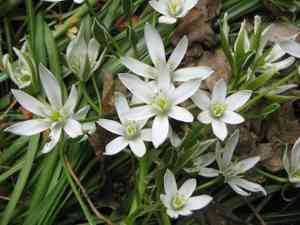
Relocate garden star-of-bethlehem in the pleasant temperatures of late spring or early summer to ensure the best root development. Select a brightly illuminated spot with good soil drainage to foster robust growth. Gentle treatment of the root system will improve the chances of successful re-establishment.
What Preparations are Needed Before Transplanting Garden Star-of-bethlehem?
What is the Ideal Time for Transplanting Garden Star-of-bethlehem?
The optimal period for relocating garden star-of-bethlehem spans from late spring to early summer. This timeframe allows garden star-of-bethlehem to establish itself prior to the intense heat of mid-summer, facilitating a smooth transition that promotes strong root development. Moving the plant during this phase ensures garden star-of-bethlehem has ample time to settle into its new spot, utilizing the mild temperatures for prime growth. Additionally, the consistent moisture levels typical of this season offer a supportive environment for garden star-of-bethlehem to flourish post-transplant, setting the stage for vigorous growth in subsequent months.
How Much Space Should You Leave Between Garden Star-of-bethlehem Plants?
Ensure your garden star-of-bethlehem plant has ample room to expand. I recommend spacing your plants approximately 1-2 feet apart (30.5-61 cm). This will contribute to their long-term well-being and vitality.
What is the Best Soil Mix for Garden Star-of-bethlehem Transplanting?
Garden star-of-bethlehem thrives in well-draining soil, so a blend of light garden soil with some organic material is perfect. Incorporating a slow-release base fertilizer is also beneficial to give your garden star-of-bethlehem a strong start.
Where Should You Relocate Your Garden Star-of-bethlehem?
Your garden star-of-bethlehem will flourish in a sunny location! It requires at least half a day of sunlight, but if you can provide full sun exposure, that would be even better. Happy planting!
What Equipments Should You Prepare Before Transplantation Garden Star-of-bethlehem?
Gardening Gloves
To safeguard your hands from potential cuts or punctures.
Shovel or Garden Spade
These tools are used to excavate the plant from its original site and to create a new planting hole.
Garden Trowel
For precise digging when extracting the plant from smaller containers or trays.
Watering Can
For hydrating the plant before and after its relocation.
Pruning Shears
These might be needed to trim the roots or foliage of the garden star-of-bethlehem if required during the transplanting process.
Wheelbarrow or Plant Pot
To temporarily hold the plant and its root system after digging it up and during transport.
How Do You Remove Garden Star-of-bethlehem from the Soil?
How Do You Remove Garden Star-of-bethlehem from the Soil?
From Ground: Begin by watering the garden star-of-bethlehem plant the day before transplanting to ensure adequate root moisture. This also makes the soil easier to manage. Then, using a shovel or garden spade, dig a wide circle around the plant, deep enough to reach the main roots. Exercise caution to keep the root ball intact. Gently lift the plant from the ground, preserving as much of the root system as possible.From Pot: If transplanting a potted garden star-of-bethlehem, water it thoroughly beforehand. Then, invert the pot while supporting the soil surface with your hand, with the stem between your fingers. Gently pull the pot away, shaking it slightly to loosen the soil and free the plant. If the plant is stubborn, you may need to tap the pot's rim on a hard surface while holding the plant upside down.From Seedling Tray: Carefully ease the garden star-of-bethlehem from its cell, avoiding pulling it by the stem. To do this, push the cell from below to lift it. Ensure the roots remain undamaged during this procedure.
Step-by-Step Guide for Transplanting Garden Star-of-bethlehem
Preparing the Site
Prepare the new location for the garden star-of-bethlehem by digging a hole twice as wide and deep as the plant's root ball. The hole should be spacious enough to accommodate the plantâs roots without bending or crowding them.
Enriching the Hole
Incorporate some organic matter or compost into the planting hole if the soil quality is poor. However, if the soil is already fertile, additional materials may not be necessary.
Planting
Position the garden star-of-bethlehem in the hole, spreading its roots. It should be planted at the same depth as it was in its original spot. Fill the hole halfway with soil, then water to eliminate any air pockets. Once the water drains, finish filling the hole.
Watering
Water thoroughly once the plant is in place to aid its establishment. Creating a small soil mound around the base is also beneficial to direct water to the roots.
How Do You Care For Garden Star-of-bethlehem After Transplanting?
Watering
Water consistently for the initial year until the garden star-of-bethlehem is well-established. The required water volume will depend on weather conditions, but typically once a week suffices. During dry spells, more frequent watering may be necessary.
Mulching
Apply a layer of organic mulch around the plant to retain soil moisture and suppress weed growth. This should ideally be done in the weeks following transplanting.
Pruning
Prune the garden star-of-bethlehem as needed to maintain its form and encourage healthy development. This should be done when necessary, not immediately after transplanting.
Monitoring
Closely observe your plant. If it exhibits signs of stress or disease, it may require additional care such as more/less water, a small amount of fertilizer, or a different sun exposure.
Troubleshooting Common Issues with Garden Star-of-bethlehem Transplantation.
When's the best time to transplant garden star-of-bethlehem?
The optimal time to move garden star-of-bethlehem is from late summer to early fall (S3-S4). This provides them sufficient time to establish before winter arrives.
How far apart should I space garden star-of-bethlehem when I'm transplanting?
When relocating garden star-of-bethlehem, the ideal spacing between plants is approximately 1 to 2 feet (30 to 60 cm). This allows each plant ample room to thrive.
Can I transplant garden star-of-bethlehem in the spring?
While feasible, it's not the most favorable time. Transplanting garden star-of-bethlehem in late summer to early fall ensures they have time to establish before winter.
How much water does garden star-of-bethlehem need after transplanting?
Water garden star-of-bethlehem thoroughly immediately after transplanting. Afterward, maintain consistently moist soil until they are established. Avoid waterlogging.
Do I need to prune garden star-of-bethlehem before transplanting?
Pruning is not essential for garden star-of-bethlehem prior to transplanting. However, removing dead or dying leaves can stimulate new growth after relocation.
Why are my transplanted garden star-of-bethlehem wilting?
Wilting can indicate shock. Moving garden star-of-bethlehem can be stressful for the plant. Keep it well-hydrated and shield it from extreme weather conditions.
Do transplanted garden star-of-bethlehem need a lot of sun?
Garden star-of-bethlehem prefers full to partial sun. However, newly transplanted ones may benefit from some shade during the hot afternoon until they acclimate.
How to prep soil before transplanting garden star-of-bethlehem?
Prepare the soil by enriching it with compost or high-quality organic matter. This will enhance soil fertility and structure, creating an ideal environment for garden star-of-bethlehem.
Should I add fertilizer when transplanting garden star-of-bethlehem?
Adding a slow-release, balanced fertilizer when transplanting garden star-of-bethlehem can be helpful; however, always ensure not to over-fertilize as it can harm the roots.
Can I transplant a blooming garden star-of-bethlehem?
Although possible, it's preferable to wait. Blooming can stress garden star-of-bethlehem, making the transplanting process more challenging. It's better to move it once the flowers have faded.



