How to Transplant Sweet marjoram?
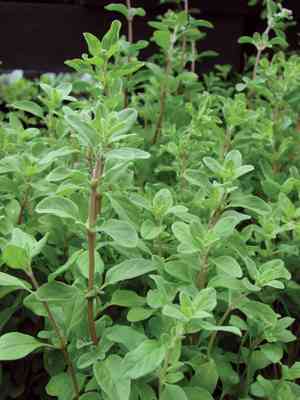
Move sweet marjoram during the mild temperatures of late spring to early summer to ensure optimal root development. Select a bright, adequately drained location to foster vigorous growth. Should it be required, amend the soil with compost when transplanting for a beneficial beginning.
What Preparations are Needed Before Transplanting Sweet Marjoram?
What is the Ideal Time for Transplanting Sweet Marjoram?
Choose the gentle warmth of late spring or the vibrant start of early summer for relocating sweet marjoram. This timing allows roots to establish before winter. Moving sweet marjoram during this period maximizes growth, as mild weather supports root development without extreme temperature stress. A helpful tip: sweet marjoram thrives when given this early advantage in favorable seasons, ensuring a strong and healthy plant.
How Much Space Should You Leave Between Sweet Marjoram Plants?
For sweet marjoram, ensure ample room for development. Ideally, position them 12-18 inches (30-45 cm) apart. As a new gardener, remember that plants, like us, require personal space to flourish!
What is the Best Soil Mix for Sweet Marjoram Transplanting?
Your sweet marjoram will thrive in well-drained soil, with a slight preference for alkalinity. Be sure to enrich your base soil with organic matter or a balanced fertilizer prior to transplanting. Be cautious, as too much can harm your plants.
Where Should You Relocate Your Sweet Marjoram?
Placement is crucial for sweet marjoram! Select a location that receives full sun – at least six hours of direct sunlight – daily. Partial shade is also acceptable. Remember, adequate sunlight promotes vigorous growth.
What Equipments Should You Prepare Before Transplantation Sweet Marjoram?
Gardening Gloves
To safeguard your hands while handling soil and sweet marjoram.
Shovel or Spade
Essential for excavating holes and removing the plant from its initial spot.
Gardening Trowel
Useful for precise digging tasks and perfect for lifting the sweet marjoram plant from seedling trays.
Watering Can or Hose
Required to hydrate the plant during the removal process and after moving it to its new location.
Pruning Shears
To trim any damaged roots or overgrown stems before transplanting.
Organic Compost
To enhance the nutrient content of the ground where sweet marjoram is being relocated.
How Do You Remove Sweet Marjoram from the Soil?
How Do You Remove Sweet Marjoram from the Soil?
From Ground: First, gently water the sweet marjoram plant to moisten the surrounding soil. This facilitates the plant's removal. Then, using a shovel or spade, carefully dig around the plant, maintaining a safe distance to avoid root damage. Gradually work the spade beneath the root ball and gently lift the plant from the ground.From Pot: Begin by watering the sweet marjoram plant to dampen the soil. Next, turn the pot sideways and gently hold the plant's base. Tap the pot's rim on a hard surface to loosen the soil, making it easier to extract the plant. Push from the drainage hole or carefully insert a trowel between the pot and the root ball to safely remove the plant.From Seedling Tray: First, water the seedlings in the tray so the soil adheres to the roots. Hold the base of sweet marjoram and, with a gardening trowel, carefully lift the seedling. Place your other hand beneath the seedling to catch it, ensuring minimal root disturbance during the process.
Step-by-Step Guide for Transplanting Sweet Marjoram
Digging_Hole
Begin by excavating a hole in the ground that is roughly twice the width and equal to the depth of the sweet marjoram plant's root ball.
Placement
Next, position the plant in the hole to ensure the uppermost roots are level with the surface. Adjust the hole's depth as needed.
Planting
Place the sweet marjoram plant in the hole, spread the roots if necessary, and gently backfill with soil without disturbing the plant. Firmly press the surrounding soil, eliminating any air pockets.
Watering
After planting, generously water the sweet marjoram plant to settle the surrounding soil and minimize transplant shock.
How Do You Care For Sweet Marjoram After Transplanting?
Watering
Once relocated, the sweet marjoram plant will require consistent watering as it establishes itself. Ensure the soil remains moist but avoid overwatering to prevent root rot.
Pruning
Remove any yellow or withered leaves after transplanting. This allows the sweet marjoram to direct its energy towards new growth rather than maintaining old foliage.
Monitoring
Closely observe the sweet marjoram plant during the initial weeks post-transplantation. If you notice any signs of illness or stress, respond promptly with appropriate care.
Troubleshooting Common Issues with Sweet Marjoram Transplantation.
When is the best time of year to transplant sweet marjoram?
Consider relocating sweet marjoram during the late summer to early autumn (S3-S4) months. This period is ideal for encouraging root establishment before the cold season.
What is the ideal distance between sweet marjoram plants when transplanting?
Ensure sweet marjoram plants are spaced approximately 12-18 inches (30-45 cm) apart. This distance promotes healthy growth by preventing unnecessary competition for nutrients and light.
Why are my transplanted sweet marjoram plants wilting?
Wilting often stems from transplant shock. Be sure to thoroughly water the sweet marjoram plants after transplanting, keep them in adequate sunlight, and shield them from harsh weather conditions to reduce shock.
How deep should I transplant sweet marjoram seedlings?
Transplant sweet marjoram seedlings at the same depth as their original containers. Dig a hole large enough to accommodate the root ball without burying the plant's stem.
Why is the foliage of my transplanted sweet marjoram turning yellow?
Yellowing foliage may indicate excessive watering or a nutrient deficiency. Ensure the soil drains well and incorporate a balanced slow-release fertilizer into the planting hole when transplanting.
How do I ensure my sweet marjoram survives the transplantation process?
Water sweet marjoram immediately after transplanting, over the next few days, and whenever the soil begins to dry out. Also, ensure it's planted in well-drained soil with ample sun exposure.
When should I water my freshly transplanted sweet marjoram?
Immediately water sweet marjoram right after transplanting to help settle the roots. Continue to water regularly, but avoid saturating the soil. Excessive water can lead to root rot.
Why has my transplanted sweet marjoram stopped growing?
Sweet marjoram might cease growing due to transplant shock. Consistent care, proper watering, adequate sunlight, and patiently allowing the plant to adapt to its new environment can stimulate growth.
Can sweet marjoram be transplanted in containers?
Absolutely! Sweet marjoram can flourish in containers. The key is ensuring the container is deep enough for the roots, has good drainage, and that you water the plant regularly.
What kind of soil do I use when transplanting sweet marjoram?
Sweet marjoram prefers well-draining, fertile soil. A mixture of garden soil, compost, and a small amount of sand would be ideal. The goal is to create a soil environment that supports nutrient uptake and root growth.



