How to Transplant Drooping prickly pear?
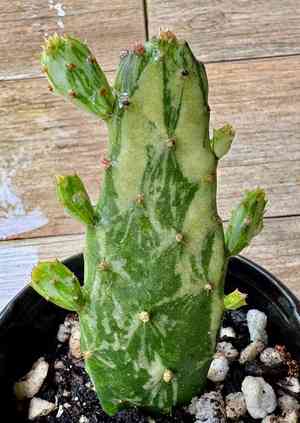
The most suitable period to relocate drooping prickly pear is during the warmer season, preferably from early to mid-summer, to facilitate robust root development. Choose a location that receives ample sunlight and possesses soil with good drainage. When managing drooping prickly pear, utilize protective gloves to guard against its thorns. Guarantee a hospitable setting for the roots to expand.
What Preparations are Needed Before Transplanting Drooping Prickly Pear?
What is the Ideal Time for Transplanting Drooping Prickly Pear?
The optimal period for relocating drooping prickly pear is during the peak of summer's warmth. This timeframe, often referred to as 'early to mid-summer', is perfect because drooping prickly pear roots establish best in warm soil, facilitating a smooth transition. Moving drooping prickly pear then ensures they adapt well before colder seasons, promoting vigorous growth. Transplanting drooping prickly pear during the gentle early summer months encourages root development and maximizes the plant's potential to flourish in its new spot. Choosing this season for transplantation aligns with drooping prickly pear's natural growth cycle, supporting a healthy foundation for future prosperity.
How Much Space Should You Leave Between Drooping Prickly Pear Plants?
Ensure your chosen location provides ample room for drooping prickly pear to expand. Ideally, position the plants 2-3 feet (60-90 cm) apart. This spacing will allow your plants to spread and thrive without competing for resources.
What is the Best Soil Mix for Drooping Prickly Pear Transplanting?
For drooping prickly pear, utilize soil that drains effectively, preferably sandy or loamy in composition. Prior to planting, enrich the soil with a slow-release base fertilizer to supply essential nutrients to your new plant.
Where Should You Relocate Your Drooping Prickly Pear?
Drooping prickly pear thrives in sunlight, so locate a sunny position! This plant flourishes with direct sun exposure. Just confirm that the chosen spot receives at least 6-8 hours of daily sunlight for optimal growth.
What Equipments Should You Prepare Before Transplantation Drooping Prickly Pear?
Gardening Gloves
To safeguard your hands from the sharp thorns of drooping prickly pear during handling.
Shovel or Spade
For excavating the plant and its root system from its original position.
Gardening Trowel
Useful for smaller, precise digging or loosening soil around the plant.
Pruning Shears
To remove any unhealthy or dead portions of the plant before relocation.
Watering Can
To hydrate the plant during the various phases of transplantation.
Wheelbarrow or Plant Pot
For moving the plant from its initial location to the new site.
How Do You Remove Drooping Prickly Pear from the Soil?
How Do You Remove Drooping Prickly Pear from the Soil?
From Ground: Begin by watering the drooping prickly pear plant to moisten the soil, making extraction easier. Carefully dig around the plant with a shovel or spade, taking care not to cut into the root system. Once you've dug sufficiently wide and deep, slowly lift the plant from the ground, preserving as much of the root ball as possible.From Pot: Water the pot, wait a few minutes, then place your hand over the top of the plant, fingers spread around the base. Invert the pot and gently tap to release the plant and its root ball. Be extra cautious not to harm the roots, as drooping prickly pear is delicate during this process.From Seedling Tray: If the drooping prickly pear is in a seedling tray, moisten the soil and carefully slide the seedling out, attempting to keep its entire root system intact. Handle the seedling by its leaves, not its stem.
Step-by-Step Guide for Transplanting Drooping Prickly Pear
Pot Selection
Select a pot or location large enough to accommodate the drooping prickly pear plant's current root system and allow for future development. Avoid areas with extreme weather conditions, as drooping prickly pear does not tolerate them well.
Soil Preparation
After digging a hole twice as wide and as deep as the existing root ball, partially backfill the hole with soil.
Placing the Plant
Position drooping prickly pear into the hole. The top of the root ball should be at or slightly below ground level. Fill in around the plant with soil.
Watering
Water the drooping prickly pear immediately after planting. This helps settle the soil around the roots and encourages root-to-soil contact.
How Do You Care For Drooping Prickly Pear After Transplanting?
Watering
Water the drooping prickly pear once weekly or when the soil appears dry. Be careful not to overwater, as this can lead to root rot.
Inspecting
Regularly examine the drooping prickly pear for any damage or signs of disease. Early detection can prevent spread and facilitate prompt treatment.
Pruning
Trim drooping prickly pear to stimulate new growth and maintain its form. Prune any dry or wilting parts of the plant.
Relocation
If you observe that the drooping prickly pear is not thriving in its current spot or weather conditions are unfavorable, do not hesitate to move the plant.
Troubleshooting Common Issues with Drooping Prickly Pear Transplantation.
What's the best time of year to transplant drooping prickly pear?
The optimal period to transplant drooping prickly pear is from mid-summer to early autumn, or season 4 to 5.
How large a pot should I choose when transplanting drooping prickly pear?
Select a pot with sufficient room for drooping prickly pear to grow. The ideal spacing between plants is approximately 2-3 feet (0.6-0.9 m).
How much sun does drooping prickly pear need after transplanting?
Drooping prickly pear thrives in sunlight. Place it in a location that receives ample direct sunlight daily, once transplanted.
What should be the depth of the hole for transplanting drooping prickly pear?
The hole should be just deep enough to cover drooping prickly pear's roots, which is typically about 10 inches (25 cm).
Why are my transplanted drooping prickly pear leaves drooping?
Drooping leaves can indicate overwatering. After transplanting drooping prickly pear, water sparingly until the plant establishes itself.
What is the best type of soil for transplanting drooping prickly pear?
Drooping prickly pear prefers well-draining soil, which helps prevent root rot. Sandier soils are particularly beneficial for these plants.
Do I need to fertilize drooping prickly pear right after transplanting?
Avoid fertilizing immediately after transplanting as it can cause shock. Wait 4 to 6 weeks, then begin with a diluted solution.
How often should I water drooping prickly pear after transplanting?
Immediately after transplanting drooping prickly pear, water once then allow the soil to dry out completely before watering again. Avoid overwatering to prevent root rot.
Can I transplant drooping prickly pear into an existing garden?
Yes, drooping prickly pear can be transplanted into an existing garden. Remember, they require plenty of sunlight and well-drained soil, and maintain 2-3 feet (0.6-0.9 m) spacing between plants.
Why is drooping prickly pear turning yellow after transplanting?
Excess water can cause drooping prickly pear's leaves to yellow. Ensure the soil is well-drained and you're allowing it to dry out between waterings.



