How to Transplant Angel's-wings?
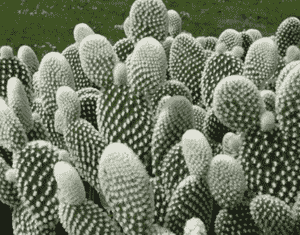
To achieve optimal outcomes with angel's-wings, select a period for relocation during the initial warm, bright months when its development is robust. Pick a bright, adequately drained spot to guarantee a flourishing specimen. Additional advice: manage the plant with care to prevent damage to its fragile segments!
Essential Preparations Before Relocating Angel's-wings
Optimal Timing for Angel's-wings Relocation?
Early summer, when temperatures are consistently rising, is ideal for moving angel's-wings. This period provides ample warmth and sunlight, fostering vigorous growth. Carefully transplanting angel's-wings at this time can boost root development and overall plant vitality.
Recommended Spacing Between Angel's-wings Plants?
When transplanting angel's-wings, a perennial species, position each plant 3-4 feet (0.9-1.2 meters) apart. This spacing allows for adequate growth and spread.
Best Soil Blend for Angel's-wings Transplanting?
Select a well-draining soil mixture for angel's-wings. A combination of sand and cactus potting mix is perfect. Incorporate a foundational fertilizer, such as a balanced slow-release granular type, to stimulate initial growth.
Where to Replant Your Angel's-wings?
Choose a spot with full sun exposure for angel's-wings, as these plants flourish in bright light. Ensure they receive at least 6 hours of direct sunlight daily to promote healthy development.
Tools Required Before Transplanting Angel's-wings
Gardening Gloves
To safeguard your hands from the plant's thorns and prevent soil-related skin irritation.
Spade or Trowel
Useful for excavating around the plant in its current spot and preparing a hole in the new location.
Pruning Shears
For trimming any damaged or diseased sections of the plant prior to transplanting.
Pot (optional)
If the plant is currently housed in a container.
Wheelbarrow
To safely transport the plant from its original position to its new site.
Watering Can
Used to moisten the soil after the plant has been extracted and again following transplantation.
How to Extract Angel's-wings from Its Growing Medium?
How to Extract Angel's-wings from Its Growing Medium?
From Ground: First, lightly water the angel's-wings plant to make the soil more manageable. Then, carefully dig a wide circle around the plant using a spade or trowel, taking care not to harm the roots. Gently work the spade beneath the root ball and lift the plant from its original spot.From Pot: If the angel's-wings plant is currently in a pot, begin by watering the container lightly. Then, turn the pot sideways, steady the plant, and pull the pot away. If the plant remains stuck, you might need to gently tap the bottom of the pot.From Seedling Tray: If the angel's-wings is still a seedling in a tray, gently grasp the base of the plant and pull upward carefully. If the plant is resistant, try pushing up from the bottom of the tray.
Step-by-Step Guide for Relocating Angel's-wings
Preparation
Start by preparing the planting site. Ensure it has been thoroughly cleared, weeded, and is ready to receive the angel's-wings plant.
Digging
Excavate a hole that is just deep enough for the root ball to sit in, and twice its width. The added width allows ample room for the roots to expand.
Planting
Gently place your angel's-wings plant into the hole, ensuring it stands upright. Backfill the hole with soil, pressing it firmly around the plant's base to eliminate any air pockets.
Watering
After transplanting, thoroughly water the plant using a watering can. This helps settle the soil around the roots, minimizes transplant shock, and encourages rapid establishment.
Post-Transplant Care for Angel's-wings
Monitoring
Closely observe the angel's-wings plant, especially during the initial weeks. Confirm it is upright and shows no signs of wilting or disease.
Watering
While angel's-wings plant doesn't demand excessive watering, remember to irrigate it after transplanting to aid establishment. Once settled, it can endure dry conditions, but it's best not to let it completely dry out.
Deadheading
Remove any faded blooms or dead foliage from your angel's-wings plant to maintain its health and stimulate new growth.
Disease and Pest Prevention
Watch for any indications of disease or pests. If detected early, many problems can be easily managed with natural remedies.
Resolving Common Issues with Angel's-wings Transplantation.
When is the optimal time of year to transplant angel's-wings?
It's advisable to transplant angel's-wings in early summer, aligning with its natural growth cycle.
What should be the ideal spacing when planting multiple angel's-wings together?
When planting several angel's-wings together, allow approximately 3-4 feet (90-120 cm) between each plant for proper growth.
What soil type is best for successful angel's-wings transplantation?
Angel's-wings thrives in well-drained soil. A succulent or cactus mix, sandy soil, or garden soil blended with coarse sand helps prevent root rot.
How much sunlight does a transplanted angel's-wings require?
Angel's-wings loves the sun! Position them where they can receive 6-8 hours of sunlight daily. However, shield them from intense afternoon sun.
How frequently should I water my transplanted angel's-wings?
Angel's-wings doesn't need much water. Water once the top 1 inch (2.5 cm) of soil dries out to maintain a healthy growing environment.
Should I use fertilizer when transplanting angel's-wings?
During the angel's-wings's active growth phase, a balanced, water-soluble fertilizer applied monthly can support its health. Remember to dilute it according to package directions.
How deep should the hole be for transplanting angel's-wings?
Ensure the hole is twice as wide and equal in depth to the root ball of the angel's-wings. This provides ample space for roots to spread.
Can I transplant angel's-wings into a pot?
Yes, absolutely! Just ensure the pot is sufficiently large to accommodate the plant and has drainage holes to prevent waterlogging.
Can a part of angel's-wings be used to create a new plant?
Indeed! You can propagate angel's-wings by taking pads, allowing them to dry for a few days, and then planting them in well-drained soil.
What to do if angel's-wings shows signs of stress after transplanting?
Move angel's-wings to a warmer or cooler spot depending on temperature, provide additional water, or reduce irrigation. Consider adjusting light levels or repotting if necessary.



