How to Transplant Dwarf lilyturf?
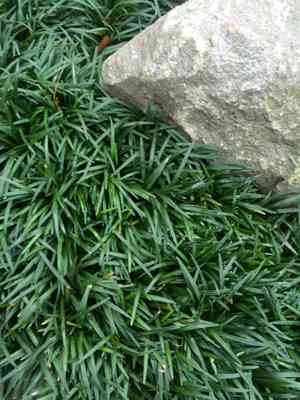
To achieve the best development, relocate dwarf lilyturf between mid-spring and early summer, when temperatures are reliably mild. Select a site featuring soil that drains effectively and offers partial to complete shade. Handle the fragile root system with care during the transfer to guarantee successful integration.
What Preparations are Needed Before Transplanting Dwarf Lilyturf?
What is the Ideal Time for Transplanting Dwarf Lilyturf?
The optimal period to move dwarf lilyturf is from mid-spring to early summer, offering perfect growing conditions. Relocating dwarf lilyturf then helps develop strong roots and lush foliage. You'll enjoy a thriving plant against a warm summer backdrop.
How Much Space Should You Leave Between Dwarf Lilyturf Plants?
To allow dwarf lilyturf ample room to expand, ensure a spacing of approximately 20-30 cm (8-12 inches) between each plant during transplantation. This prevents overcrowding and promotes vigorous growth!
What is the Best Soil Mix for Dwarf Lilyturf Transplanting?
For dwarf lilyturf, prepare the ground by selecting a soil blend that drains well and incorporating organic matter such as compost or aged manure. This enhances soil structure and supplies vital nutrients. You can also apply a slow-release fertilizer to nourish your plants.
Where Should You Relocate Your Dwarf Lilyturf?
Dwarf lilyturf thrives in a partially shaded garden spot. Position it where it receives filtered sunlight or only morning sun to shield it from intense afternoon rays. This ensures robust development and vibrant foliage.
What Equipments Should You Prepare Before Transplantation Dwarf Lilyturf?
Shovel or Spade
To extract the plant from its original location in the ground or container, and to excavate a hole for replanting.
Gardening Gloves
To safeguard your hands while handling soil and plants.
Wheelbarrow or bucket
To move the dwarf lilyturf from its initial position to the new site.
Watering Can
To hydrate the soil and plant both before and after the transplanting process.
Tarp or Canvas
To keep the root system moist and protected during relocation.
How Do You Remove Dwarf Lilyturf from the Soil?
How Do You Remove Dwarf Lilyturf from the Soil?
From Ground: First, moisten the dwarf lilyturf plant to dampen the soil. Then, using the shovel, dig a wide circle around the plant, far enough out to avoid cutting roots. Begin digging beneath the plant, keeping many roots intact, eventually forming a ball. Slide the tarp underneath, lift out the plant, and place it on the tarp.From Pot: Hydrate the dwarf lilyturf. Turn the pot on its side and gently ease the plant out. If it resists, tapping around the pot's edge should loosen it.From Seedling Tray: With moistened soil, cup your hand around the base of the dwarf lilyturf seedling. Using your other hand, push from the tray's bottom and carefully lift out the seedling.
Step-by-Step Guide for Transplanting Dwarf Lilyturf
Site Preparation
After selecting the site based on light and spacing, prepare the soil by clearing any weeds and debris. Pre-water the hole for the new plant.
Plant Placement
Position the dwarf lilyturf in the hole, ensuring the top of the root ball is level with the soil surface. Adjust the hole's depth if needed before planting.
Backfilling
Fill around the root ball with soil, gently firming it as you proceed. Water thoroughly once most of the soil is back in place, then fill the remainder of the hole.
Final Touches
Gently firm the soil again, and water thoroughly, ensuring the moisture reaches the root zone.
How Do You Care For Dwarf Lilyturf After Transplanting?
Watering
Maintain consistent moisture in the soil around the dwarf lilyturf for the initial weeks post-transplant to aid in root establishment. Avoid excessive watering to prevent root rot.
Weed Control
Regularly tend to the plant to remove any competing weeds that might vie for nutrients with the dwarf lilyturf. A layer of mulch can assist in weed suppression.
Pest & Disease Monitoring
Watch for any indications of pests or diseases on your dwarf lilyturf. Prompt detection and intervention can be crucial for your plant's survival.
Troubleshooting Common Issues with Dwarf Lilyturf Transplantation.
When is the best time to transplant dwarf lilyturf?
The optimal period to transplant dwarf lilyturf is during the pleasant days of mid-spring and the early thriving days of summer.
What is the right spacing for dwarf lilyturf when transplanting?
Dwarf lilyturf requires adequate room to grow. It's advisable to maintain a healthy distance of approximately 8-12 inches (20-30 cm) between each plant.
How deep should I plant dwarf lilyturf during transplantation?
The roots of dwarf lilyturf need sufficient coverage. Bury them about 1-2 inches (2.5-5 cm) deep in the soil during transplantation.
Should I prune dwarf lilyturf before transplanting it?
While not strictly necessary, a gentle pruning of dwarf lilyturf before transplanting can encourage new growth and facilitate the process.
What type of soil should I use for transplanting dwarf lilyturf?
Dwarf lilyturf prefers soil that drains well. Choose a light, rich soil that retains moisture without becoming waterlogged.
Is it necessary to water dwarf lilyturf right after transplanting?
Absolutely! After transplanting, dwarf lilyturf should be thoroughly watered to settle the soil and provide essential hydration to the plant.
How to deal with dwarf lilyturf transplant shock?
Remove any damaged leaves and stems. Keep the soil consistently moist, but avoid overwatering. Provide dwarf lilyturf with ample indirect sunlight.
How soon can I expect dwarf lilyturf to establish itself after transplanting?
Be patient! It may take dwarf lilyturf a few days to several weeks to fully settle and show new growth after being transplanted.
Is it recommended to fertilize dwarf lilyturf immediately after transplanting?
Wait a little. Allow dwarf lilyturf to establish itself for a few weeks post-transplant before applying any fertilizer to prevent root burn.
Is it okay to transplant dwarf lilyturf in full sun?
Dwarf lilyturf prefers a blend of sun and shade. However, avoid transplanting it into harsh, full sun as this could result in leaf scorching.



