How to Transplant Olive?
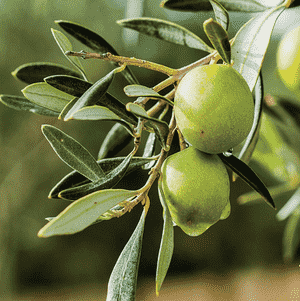
The ideal period for relocating olive is from early to mid-summer, allowing the plant to establish itself in warmer conditions. Verify that your chosen spot offers soil with good drainage and abundant sunshine. During the transplanting process, gently manage olive's fragile root system to foster robust development.
Essential Preparations Before Moving Olive
Optimal Period for Relocating Olive
The best time to move olive is from the beginning to the middle of summer. These warmer months provide perfect weather conditions for olive to adapt to its new environment. Transplanting olive during this timeframe allows sufficient root development before winter arrives. Seize this chance to ensure olive's vigorous growth for many years!
Required Spacing Between Olive Plants
When relocating olive, ensure adequate room for growth between plants. Ideally, space them 10-20 feet (3-6 meters) apart, providing ample space for their root systems and branches to expand.
Best Soil Mixture for Olive Relocation
To create the most favorable conditions for olive, utilize well-draining soil with a slightly acidic to neutral pH (6.0-7.5). Begin by incorporating high-quality organic compost or aged manure to enrich the soil and supply vital nutrients.
Choosing a New Location for Your Olive
Select a site for olive that receives direct sunlight for at least 6 hours daily. Confirm it's not overshadowed by taller plants or structures, as this perennial thrives with abundant sun exposure.
Tools to Prepare Before Transplanting Olive
Gardening Gloves
To protect your hands while working with the soil and the olive plant.
Shovel or Spade
Crucial for digging holes and moving earth in the garden.
Wheelbarrow or Garden Cart
For transporting the olive plant to its designated new spot in your garden.
Garden Trowel
For precise tasks, including careful plant extraction, especially when dealing with containerized plants or young seedlings.
Gardening Pruners
Needed for shaping the olive's roots and upper growth both before and after the transplanting process.
Watering Can or Garden Hose
Essential for moistening the soil at both the original and new sites for easier digging and for settling the transplanted plant after its move.
Mulch
Helps maintain soil moisture levels after transplantation.
Stakes and Ties
Crucial for supporting olive to grow upright, particularly in windy conditions.
How to Extract Olive from the Ground
How to Extract Olive from the Ground
From Ground: First, hydrate the olive plant to moisten the soil. Next, excavate a wide circle around the plant using a shovel or spade, ensuring the plant's root ball remains intact. Gradually work the spade beneath the root ball to lift the plant from its initial position. Exercise caution to avoid damaging the roots during the lifting process.From Pot: Begin by watering the olive plant in its container to facilitate removal. Then, using a trowel, gently loosen the soil around the pot's edges. Carefully tilt the plant and slide out the entire root ball and soil mass, keeping it as intact as possible.From Seedling Tray: Once seedlings have developed at least two sets of true leaves and have matured past the initial seedling stage, they are ready for transplant. Water the seedlings thoroughly before transplanting. Gently loosen the soil around the roots using a small utensil like a spoon or a brush. Lift the seedling with care, ensuring the root system is protected.
Step-by-Step Guide for Relocating Olive
Preparation
Prepare the new planting site before removing the olive plant from its current spot. Dig a hole approximately twice the diameter of the root ball and deep enough so the plant will sit at the same level in the ground as it was in its pot or original location.
Transplanting
Carefully lower the olive plant into the hole, spreading its roots evenly. Backfill the hole with the original soil, gently firming it around the plant's roots.
Watering
Water the plant thoroughly immediately after planting. Apply water to the base of the olive plant rather than on its leaves.
Supporting
If needed, provide support such as stakes and plant ties to ensure the olive plant grows in the correct orientation.
Mulching
Apply a 2-3 inch layer of organic mulch around the plant, making sure to keep it a short distance from the trunk.
Post-Transplant Care for Olive
Moisture Level
Olive prefers consistently moist soil. Ensure frequent watering during its initial growing season to mitigate transplant stress.
Pruning
Make sure to prune your olive plant in early spring, before the buds begin to swell. This allows the plant to direct its energy towards establishing strong roots.
Support Maintenance
Regularly inspect the stakes and ties supporting the olive plant to confirm their effectiveness and ensure they are not harming the plant.
Monitoring Health
Watch for indications of transplant shock, such as yellowing leaves or leaf drop. If these occur, ensure the plant is adequately watered and shielded from harsh conditions.
Addressing Common Issues with Olive Transplantation
When is the optimal time of year to transplant olive?
The best time to transplant olive is during early to mid-summer. This period is when they adapt most successfully to relocation.
What is the ideal spacing for olive during transplantation?
For healthy development, olive should be spaced 10-20 feet (3-6 meters) apart. This provides ample room for root expansion.
What factors should I consider when choosing a new site for olive?
The new location should feature well-draining soil with a pH between 6-7.5. Full sun exposure is also vital for olive.
What is the appropriate depth to dig for transplanting olive?
Dig a hole twice the width and as deep as the olive's root ball. This ensures a comfortable fit and quick establishment.
How should I water olive after transplanting?
Water olive immediately after transplanting to soothe its roots. Afterward, water 1-2 times per week, depending on rainfall and temperatures.
How to care for a transplanted olive during extreme temperatures?
In extreme temperatures, mulching around olive can offer protection. Maintain consistent watering and watch for signs of wilting.
What should I do if olive's leaves turn yellow after transplantation?
Yellowing may indicate shock or excessive watering. Reduce irrigation and apply a balanced fertilizer to help olive recover.
Why is olive losing its leaves after transplanting?
Leaf drop is often a symptom of transplant shock. Consistent watering, proper spacing, and optimal sunlight will aid olive's recovery.
Why is the transplanted olive's growth slow?
Olive may require time to adjust to its new environment. Ensure it is well-spaced, receives sufficient sunlight, and is watered correctly.
What should I do if my transplanted olive is not fruiting?
Ensure olive receives 6 hours of daily sunlight and use a balanced fertilizer. Patience is crucial as fruiting may take time.



