How to Transplant Lindheimer's beeblossom?
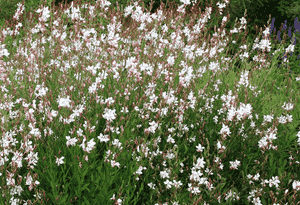
Relocating lindheimer's beeblossom is most effective in the temperate period from mid-spring to early summer, allowing the plant to readily settle. Select a bright spot, ideally with soil that drains efficiently. Exercise particular caution with the root system to guarantee a successful transfer. Enjoy your gardening endeavors!
Essential Preparations Before Relocating Lindheimer's Beeblossom
Optimal Timing for Relocating Lindheimer's Beeblossom
The perfect period for moving lindheimer's beeblossom spans from mid-spring to the initial days of summer. This timeframe provides the plant with ample warmth and sunlight necessary for robust growth and successful root establishment. Transplanting lindheimer's beeblossom during this season significantly boosts its chances of adapting and producing lush foliage, enhancing your garden's appeal.
Recommended Spacing Between Lindheimer's Beeblossom Plants
To allow lindheimer's beeblossom ample room for development, position your transplanted specimens approximately 12-18 inches (30-45 cm) apart. This spacing ensures adequate air circulation and allows their beautiful blooms to spread freely.
Ideal Soil Blend for Lindheimer's Beeblossom Relocation
For lindheimer's beeblossom, a well-draining soil with a slightly acidic to neutral pH is required. Incorporate some compost or a slow-release, all-purpose fertilizer to supply your plants with essential nutrients.
Selecting a New Location for Your Lindheimer's Beeblossom
When choosing a site for lindheimer's beeblossom in your garden, select an area that receives full sun or partial shade. These plants flourish in bright sunlight, so ensure they receive at least 6-8 hours of sun daily.
Tools Required Before Relocating Lindheimer's Beeblossom
Gardening Gloves
To safeguard your hands while handling soil and lindheimer's beeblossom.
Shovel or Spade
For digging the ground to extract and replant the lindheimer's beeblossom.
Pruning Shears
To trim the roots of the lindheimer's beeblossom prior to relocation.
Watering Can or Hose
To moisten the soil before and after the relocation process.
Organic Matter
To enhance soil structure and provide nutrients to the lindheimer's beeblossom.
Wheelbarrow or Garden Cart
To move the lindheimer's beeblossom from its original spot to the new planting site.
Extracting Lindheimer's Beeblossom from the Ground
Extracting Lindheimer's Beeblossom from the Ground
From Ground: Start by hydrating the lindheimer's beeblossom plant to moisten the soil, facilitating easier removal. Using a shovel or spade, create a wide circle around the plant, being careful not to damage the roots. Dig at a 45-degree angle to undercut the root ball and gently lift it from the ground.From Pot: Water the lindheimer's beeblossom thoroughly before starting. Tilt the pot sideways, place your hand with fingers spread over the soil surface with the stem between your fingers, and carefully slide the lindheimer's beeblossom out of the pot.From Seedling Tray: Lindheimer's beeblossom typically needs to be moved from a seedling tray once it reaches a few inches in height. Gently separate the seedling from the tray using a small tool, like a spoon, ensuring the root system remains undamaged.
Step-by-Step Guide for Relocating Lindheimer's Beeblossom
Plant Preparation
Begin by trimming the top growth of the lindheimer's beeblossom to minimize water loss and stress on the root system. Address any diseases or pests on the plant before moving it to prevent spreading them to the new location.
Soil Preparation
Enrich the new planting site with well-rotted organic material and mix it into the soil with your shovel to improve its quality.
Planting
Dig a hole approximately twice as wide and as deep as the lindheimer's beeblossom's root ball. Position the plant in the hole and backfill with the enriched soil, compacting it gently but leaving it slightly loose to allow air to reach the roots.
Watering
Water the lindheimer's beeblossom thoroughly immediately after planting to settle the soil around the roots and aid in its establishment.
Post-Relocation Care for Lindheimer's Beeblossom
Watering
For the lindheimer's beeblossom, consistent watering is crucial for successful establishment in its new spot. The soil should be kept uniformly moist, but not waterlogged.
Pruning
Regularly prune the lindheimer's beeblossom plant to maintain its form and encourage fresh growth. Remove spent flowers to redirect energy back into the plant.
Monitoring
Closely observe the lindheimer's beeblossom plant for any indications of transplant shock or illness. If the leaves begin to yellow or droop, it might require more water, or it could signal root damage incurred during the relocation.
Addressing Common Issues with Lindheimer's Beeblossom Relocation.
What is the best time of year to relocate lindheimer's beeblossom?
The optimal period to move lindheimer's beeblossom is from mid-spring until early summer. This allows the plant sufficient time to establish before winter arrives.
How much space should I allow between each lindheimer's beeblossom when relocating?
Ideally, maintain a distance of 12-18 inches (30-45 cm) between each lindheimer's beeblossom to ensure healthy growth and ample room for spreading.
What depth should the hole be when relocating lindheimer's beeblossom?
Excavate a hole that is twice as wide and the same depth as the root ball. This provides lindheimer's beeblossom plenty of space for its roots to expand.
What kind of soil does lindheimer's beeblossom prefer for relocation?
Lindheimer's beeblossom is not particular about soil. However, well-draining soil rich in organic matter will offer the best environment for these perennial plants.
Should I water lindheimer's beeblossom immediately after relocating?
Absolutely! Watering immediately after relocation helps to settle the soil around the roots of lindheimer's beeblossom and minimizes transplant shock.
How to handle the roots when relocating lindheimer's beeblossom plants?
Handle the roots of lindheimer's beeblossom gently during relocation to prevent any damage. A compromised root system can impede the plant's growth post-relocation.
Is it necessary to prune lindheimer's beeblossom before relocating?
Pruning is not mandatory before relocation. If lindheimer's beeblossom is large, a moderate trim could make it easier to manage, but this is entirely optional.
When relocating, should lindheimer's beeblossom be planted at the same depth as before?
Yes, lindheimer's beeblossom should be planted at the same depth it was in its previous location. Planting at the same depth helps ensure optimal growth.
What to do if lindheimer's beeblossom wilts after relocating?
If lindheimer's beeblossom wilts after relocating, do not be alarmed. Water it thoroughly and allow it about a week to recover before taking further action.
Should lindheimer's beeblossom be fertilized immediately after relocating?
Wait until lindheimer's beeblossom shows signs of new growth before fertilizing it. This ensures the plant is prepared to effectively absorb the nutrients.



