How to Transplant Narrowleaf evening primrose?
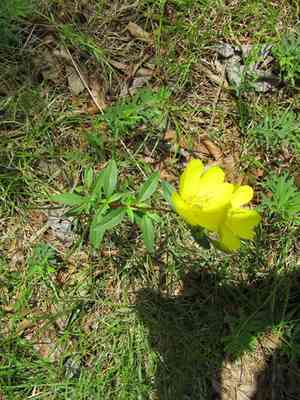
The most favorable period for relocating narrowleaf evening primrose is during the revitalizing phase of early to mid-spring, which guarantees vigorous development. Select a location bathed in sunlight with soil that drains effectively. Should it be required, enhance the soil to achieve prime conditions prior to transplantation, fostering sound root development.
Essential Preparations Before Relocating Narrowleaf Evening Primrose?
Optimal Timing for Narrowleaf Evening Primrose Relocation?
Relocate narrowleaf evening primrose during early to mid-spring for a smooth transition. This period allows narrowleaf evening primrose to establish roots before summer's intensity. You provide narrowleaf evening primrose an excellent start, maximizing growth and bloom potential in the coming season, fostering a robust plant that enhances your garden!
Recommended Spacing Between Narrowleaf Evening Primrose Plants?
Initially, narrowleaf evening primrose prefers some room to expand. Aim for approximately 1-2 feet (30-60 cm) between each plant. This provides sufficient space for each plant to spread and grow without competing for resources.
Ideal Soil Mixture for Narrowleaf Evening Primrose Relocation?
Next, prepare your soil. Narrowleaf evening primrose thrives in well-drained soil, so opt for sandy or loamy types. To give your plant an advantage, mix a general-purpose garden fertilizer into the soil before relocation. This will enrich the soil and supply vital nutrients.
Where to Position Your Narrowleaf Evening Primrose?
Finally, select the perfect spot for your narrowleaf evening primrose. It flourishes with full sun exposure, so choose a garden location where it can receive at least 6 hours of sunlight daily. Proper placement supports health and flowering!
Tools Required Before Relocating Narrowleaf Evening Primrose?
Gardening Gloves
To safeguard your hands while handling soil and the plant.
Trowel
This implement assists in excavating the narrowleaf evening primrose and digging a hole in the new planting site.
Shovel
Specifically, a rounded one, this tool is excellent for larger tasks requiring deeper excavations.
Garden Fork
Used to loosen the soil at the new planting location.
Gardening Pruners
You'll need these to trim the plant, if necessary.
Hose or Watering Can
For hydrating the plant after relocation.
How to Extract Narrowleaf Evening Primrose from the Soil?
How to Extract Narrowleaf Evening Primrose from the Soil?
From Ground: Initially, moisten the soil around the narrowleaf evening primrose with a small amount of water, which will facilitate removal. Using a shovel or trowel, dig a circular trench around the narrowleaf evening primrose, maintaining a generous distance from the plant to avoid root damage. Gradually work your tool beneath the root ball, lifting gently, until the plant is free from the soil.From Pot: Lightly water the narrowleaf evening primrose a short while before the removal process for ease. Invert the pot and gently tap its bottom to allow the plant to slide out. If the narrowleaf evening primrose is stuck, run a knife around the inside edge of the pot to loosen the roots.From Seedling Tray: Water the tray to ensure the soil is adequately moist. Carefully remove each narrowleaf evening primrose seedling from its compartment, taking care not to harm the delicate roots.
Step-by-Step Guide for Relocating Narrowleaf Evening Primrose
Preparation
Once you've confirmed the narrowleaf evening primrose plant is suitable for your gardening zone, prepare the relocation site by using a garden fork to loosen the soil and remove any weeds.
Digging
Using a trowel or a shovel, excavate a hole approximately twice the size of the narrowleaf evening primrose's root ball.
Placement
Position the narrowleaf evening primrose in the hole, ensuring the top of the root ball is level with the surrounding soil. If needed, add or remove soil to achieve the correct depth.
Backfill
Carefully refill the hole, gently firming the soil as you go to eliminate air pockets.
Watering
Water the relocated narrowleaf evening primrose, ensuring the water reaches the root zone without washing away the topsoil.
Mulching
Finally, apply a layer of organic mulch to assist in moisture retention.
Post-Relocation Care for Narrowleaf Evening Primrose
Consistent Care
Attend to your narrowleaf evening primrose regularly, checking for any indications of disease or pest infestation. Address issues promptly to prevent more severe problems.
Watering
For the initial weeks after relocation, ensure the narrowleaf evening primrose is watered consistently to establish strong roots, but be careful not to overwater.
Additional Support
A garden stake or trellis might be necessary if your narrowleaf evening primrose tends to fall over. Secure the plant loosely to allow for growth.
Trimming
Prune your narrowleaf evening primrose plant as required to encourage healthier and bushier growth. Regular inspection and trimming improve air circulation and reduce disease risks.
Addressing Common Issues with Narrowleaf Evening Primrose Relocation.
When is the preferred season for relocating narrowleaf evening primrose?
The ideal period for relocating narrowleaf evening primrose is during S1-S2. This phase offers favorable growth conditions for your plant.
What distance should be maintained between each narrowleaf evening primrose plant during relocation?
Ensure a good spacing of approximately 1-2 feet (30-60 cm) between narrowleaf evening primrose plants. This spacing facilitates proper growth and development.
What is the recommended depth for relocating narrowleaf evening primrose?
Narrowleaf evening primrose should be planted at the same depth they grew in their original location, typically about 2-4 inches (5-10 cm) deep.
What type of soil does narrowleaf evening primrose prefer when relocating?
Narrowleaf evening primrose thrives best in well-drained soil. While it tolerates various soil types, it prefers a slightly acidic to neutral pH.
Should I water narrowleaf evening primrose immediately after relocating?
Yes, watering after relocating narrowleaf evening primrose is crucial. It helps the plant settle in and alleviates transplant shock. However, avoid overwatering to prevent root rot.
What's the best position for narrowleaf evening primrose after relocating?
Narrowleaf evening primrose plants require full to partial sun exposure for optimal growth. Ensure your relocated narrowleaf evening primrose is in a spot that receives ample sunlight.
What precaution should I take while removing narrowleaf evening primrose from its original pot?
Handle narrowleaf evening primrose gently during removal from its original pot. Ensure the root ball remains intact and avoid any unnecessary stress on the plant.
What if I observe leaf wilting after relocating narrowleaf evening primrose?
Some leaf wilting is normal after relocation. If it persists after consistent watering and care, consider checking for root diseases or pests.
Should I fertilize the narrowleaf evening primrose immediately after relocating?
Refrain from fertilizing immediately after relocating. Allow narrowleaf evening primrose to adapt to its new environment for a few weeks, then fertilize according to its needs.
How do I ensure successful relocation for narrowleaf evening primrose?
Adhere to the recommended relocation season, maintain ideal spacing, water appropriately, and ensure good sunlight. Remember to regularly monitor the health of narrowleaf evening primrose.



