How to Transplant Tufted Evening Primrose?
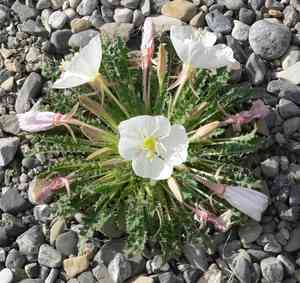
Relocate tufted Evening Primrose from the onset of early spring through the peak of late spring, during its period of active growth. Choose sun-exposed areas featuring soil that drains effectively to foster strong proliferation. Careful manipulation guarantees successful integration.
What Preparations are Needed Before Transplanting Tufted Evening Primrose?
What is the Ideal Time for Transplanting Tufted Evening Primrose?
The optimal period to relocate tufted Evening Primrose is after the last frost, indicating the start of its growth phase. Moving it at this time ensures strong establishment prior to summer's heat. This allows the roots of tufted Evening Primrose to expand with sufficient moisture and cooler temperatures, boosting growth and resilience for a vibrant flowering season. A friendly reminder: Carefully introducing tufted Evening Primrose to the soil now guarantees a smooth transition and garden appeal!
How Much Space Should You Leave Between Tufted Evening Primrose Plants?
As you prepare to place your tufted Evening Primrose in its new spot, aim for ample room! Position them approximately 12-18 inches (30-45 cm) apart. This provides each plant sufficient area to thrive without competing for nutrients or sunlight.
What is the Best Soil Mix for Tufted Evening Primrose Transplanting?
For your tufted Evening Primrose, it's crucial to prepare the soil like a comfortable bed! A well-draining sandy or loamy base will be highly beneficial. Give them a head start with a balanced slow-release fertilizer to welcome them to their new location.
Where Should You Relocate Your Tufted Evening Primrose?
When selecting a sunny location for your tufted Evening Primrose, think 'sun worshipper'! A spot that receives full sunlight will ensure they develop healthily and vibrantly. Make sure it's an area that gets several hours of direct sun daily.
What Equipments Should You Prepare Before Transplantation Tufted Evening Primrose?
Gardening Gloves
To safeguard your hands while handling soil and plants.
Spade or Shovel
For digging and lifting the plant from its current position.
Watering Can or Hose
To hydrate the tufted Evening Primrose before and after relocation.
Garden Trowel
To assist with more delicate tasks and smaller digging efforts.
Pruning Shears
To trim any damaged roots or foliage prior to transplanting.
Garden Fork
To loosen the soil at the new site and aid in removing the plant if it's in the ground.
Wheelbarrow or Garden Cart
To transport the tufted Evening Primrose and soil if necessary.
Mulch
To help retain moisture and stabilize soil temperature post-planting.
How Do You Remove Tufted Evening Primrose from the Soil?
How Do You Remove Tufted Evening Primrose from the Soil?
From Ground: Start by watering the tufted Evening Primrose to moisten the soil, being careful not to overwater or make the soil muddy. Using a spade or shovel, carefully dig a wide circle around the plant, going deep enough to encompass the entire root ball. Use the garden fork to gently lift and separate the root ball from the surrounding soil without disturbing the roots.From Pot: Thoroughly water the tufted Evening Primrose to prepare for its move. Tilt the pot sideways and gently tap or squeeze the sides to loosen the root ball. Invert the pot, supporting the plant with one hand, and slide the root ball out. If the plant resists, you might use a trowel to carefully loosen the soil around the pot's edges.From Seedling Tray: Water the seedlings well before beginning the transplant. Use a garden trowel or spoon to gently scoop out each tufted Evening Primrose seedling with its surrounding soil, taking care not to harm the stem or roots.
Step-by-Step Guide for Transplanting Tufted Evening Primrose
Preparation
Before relocating your tufted Evening Primrose, ensure all necessary tools are clean to prevent disease spread. Water the plant thoroughly a few hours before the move.
Removal
Depending on its current location, follow the appropriate removal procedure for your tufted Evening Primrose, handling the plant carefully to keep the root ball intact.
Transit
If moving the tufted Evening Primrose a significant distance, place it on a wheelbarrow or garden cart. For short distances, lift it carefully by the root ball.
Hole Digging
At the new location, dig a hole twice as wide as the root ball and of equal depth to allow roots ample space to spread. Gently loosen the soil at the bottom of the hole with a garden fork.
Planting
Position the tufted Evening Primrose in the center of the hole at the same depth it was previously growing. Begin backfilling the hole with soil, gently firming it down to eliminate air pockets.
Watering
Once planted, water the tufted Evening Primrose thoroughly to settle the soil around the roots and help reduce transplant shock.
Mulching
Apply a layer of mulch around the plant's base to retain moisture and regulate soil temperature, keeping it away from the stem to prevent rot.
How Do You Care For Tufted Evening Primrose After Transplanting?
Settling In
For the initial weeks, closely observe your tufted Evening Primrose. Provide support if the plant appears unstable or leaning.
Regular Monitoring
Keep an eye on the plant for indications of stress, such as wilting leaves or a lack of new growth.
Consistent Watering
Maintaining moisture is crucial, so water regularly, especially during dry periods. Always check the soil moisture level before irrigating.
Protection
If pests or diseases are detected, address the issue promptly using appropriate treatments that are safe for tufted Evening Primrose.
Pruning
Remove any dead or damaged foliage to encourage healthy growth and improve air circulation around your tufted Evening Primrose.
Troubleshooting Common Issues with Tufted Evening Primrose Transplantation.
Why are my tufted Evening Primrose plants not thriving after transplanting?
Ensure you're transplanting within the optimal window from early to late spring. Adequate space is vital; maintain a distance of 12-18 inches (30-45 cm) between plants for best development.
What is the best way to prepare the soil for tufted Evening Primrose transplanting?
Prepare well-draining soil enriched with compost to foster healthy growth. Avoid waterlogged conditions to prevent root rot.
How much sunlight does tufted Evening Primrose need post-transplant?
Tufted Evening Primrose thrives in full sun. Place them where they will receive at least six hours of direct sunlight daily for robust growth.
Can I transplant tufted Evening Primrose during hot summer months?
It is less ideal. Transplant in cooler temperatures of early to late spring for a stress-free transition and establishment.
How much should I water tufted Evening Primrose after transplanting?
Water thoroughly after transplanting, then regularly as the plant establishes roots. Allow the soil to dry slightly between waterings to promote strong roots.
Why is it important to avoid deep planting for tufted Evening Primrose?
Planting too deeply can stress the plant and hinder growth. Keep the crown at soil level to ensure healthy development.
How do I handle transplant shock in tufted Evening Primrose plants?
Minimize root disturbance during transplant and keep the plant adequately watered. Sufficient sunlight and gentle care will aid its recovery.
What type of fertilizer should I use for tufted Evening Primrose after transplanting?
Fertilize tufted Evening Primrose with a balanced, slow-release fertilizer after transplanting to support new growth without overwhelming it.
Is it necessary to mulch around tufted Evening Primrose after transplanting?
Mulching helps retain moisture, regulate soil temperature, and reduce weeds. Apply a 2-inch (5 cm) layer around but not touching the stems.
How do I know if tufted Evening Primrose is planted at the correct depth?
The root ball should be level with the surrounding soil surface. A correct depth facilitates better access to nutrients and water.



