How to Transplant Holy basil?
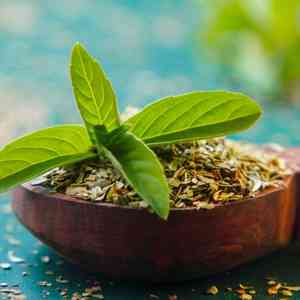
The optimal period for relocating holy basil is amidst the pleasant warmth of mid-spring through early summer. Select a brightly lit spot featuring soil that drains effectively for peak development. Handle the root system with care during the transfer to preserve its vitality and strength.
What Preparations are Needed Before Transplanting Holy Basil?
What is the Ideal Time for Transplanting Holy Basil?
Moving holy basil between mid-spring and early summer is both advantageous and optimal. This timeframe offers a good mix of moderate temperatures and extended daylight, promoting quicker root establishment for holy basil. Choosing this period ensures holy basil gets the best possible start in its new environment.
How Much Space Should You Leave Between Holy Basil Plants?
When relocating holy basil, ensure a spacing of 12-18 inches (30-45 cm) between each plant. This provides ample room for your plants to develop and flourish!
What is the Best Soil Mix for Holy Basil Transplanting?
For holy basil, prepare a soil mixture that drains well, with a pH ranging from slightly acidic to neutral (5.8-7.0). Incorporate a slow-release, nitrogen-rich fertilizer to establish a robust foundation for their growth.
Where Should You Relocate Your Holy Basil?
Select a spot for your holy basil that receives full sun or partial shade, guaranteeing at least 6 hours of sunlight daily. This will aid your plants in thriving and producing healthy foliage.
What Equipments Should You Prepare Before Transplantation Holy Basil?
Gardening Gloves
To safeguard your hands while handling soil and plants.
Trowel
For excavating small holes suitable for relocating holy basil.
Shovel or Spade
For digging larger holes if moving a bigger or more mature holy basil plant.
Watering Can
To hydrate the holy basil plant both prior to and following its relocation.
Compost
To enrich the soil with nutrients and assist the holy basil plant in settling into its new spot.
Mulch
To aid in retaining soil moisture around the holy basil plant.
A Garden Knife or Scissors
For carefully severing any damaged or intertwined roots.
How Do You Remove Holy Basil from the Soil?
How Do You Remove Holy Basil from the Soil?
From Ground: First, moisten the holy basil plant by watering the soil. Next, dig a wide trench around the plant using a shovel or spade, ensuring the plant's root ball remains intact. Gently work the spade beneath the root ball to lift the plant from its original position.From Pot: Water the holy basil plant and let it sit for a few minutes, allowing the soil to become damp. Then, carefully tip the pot on its side, and tap the bottom and sides to loosen the soil and release the plant. Gently slide the plant out, supporting it by its root ball.From Seedling Tray: Water the holy basil seedlings until the soil is moist. Using a garden knife or the tip of a trowel, carefully lift each seedling from the tray, taking care to keep the roots undamaged.
Step-by-Step Guide for Transplanting Holy Basil
Preparation
Ensure the new planting site has adequate drainage and meets all specific requirements for holy basil.
Hole Digging
Using a trowel or shovel, excavate a hole twice the width and equal in depth to the holy basil plant's root ball.
Compost and Soil Mix
Fill the base of the hole with a blend of compost and garden soil, forming a small mound.
Placement
Position the holy basil plant on the mound, with the top of its root ball level with the surrounding ground.
Fill in Hole
Backfill the hole around the holy basil plant, gently firming the soil as you proceed.
Watering
Thoroughly irrigate the holy basil plant, ensuring the soil settles and eliminates any air pockets.
Mulching
Apply a layer of mulch around the holy basil plant, which helps retain moisture and suppress weeds.
How Do You Care For Holy Basil After Transplanting?
Monitoring
Regularly check the holy basil plant to confirm it is adapting to its new environment and showing signs of growth.
Watering
Maintain consistent soil moisture, especially during dry spells, to help the holy basil plant develop strong roots.
Fertilizing
Apply an organic liquid fertilizer or a slow-release granular fertilizer once the holy basil plant has established itself in its new location.
Pruning
Prune the holy basil plant as needed to encourage bushier growth and maintain its health.
Pest and Disease Control
Keep a watchful eye on the holy basil plant for any indications of pests or diseases, and address them promptly with suitable treatments.
Troubleshooting Common Issues with Holy Basil Transplantation.
When is the best time to transplant holy basil?
The ideal period is from mid-spring to early summer. This timeframe offers holy basil the most favorable growing conditions.
What is the ideal distance apart to plant a holy basil?
Holy basil appreciates ample room - maintain a healthy 12-18 inches (30-45cm) separation for optimal development.
What type of soil is best for transplanting holy basil?
Holy basil thrives best in well-draining, fertile soil with a pH that is neutral to slightly acidic.
When should I water holy basil after transplanting?
Water your holy basil immediately after relocation. Subsequently, only water when the topsoil feels dry.
How should I care for holy basil after transplanting?
Keep it in partial to full sunlight, and water when the topsoil appears dry. Avoid waterlogged conditions.
What if the holy basil wilts after transplanting?
Wilting might indicate transplant shock. Water it sufficiently and place it in a shaded area until the plant recovers.
What if the holy basil leaves turn yellow after transplanting?
Yellow leaves could signal overwatering. Reduce irrigation and ensure the plant is in well-draining soil.
Is it necessary to fertilize holy basil post-transplant?
Yes, a balanced, slow-release fertilizer can be beneficial for your holy basil, aiding its establishment in the new spot.
Can I transplant holy basil in the autumn?
It's not recommended as holy basil prefers the warmth of mid-spring to early summer for transplanting. Survival chances may decrease in autumn.
What can I do if holy basil doesn't grow as expected?
Check for signs of pests or disease. Also, ensure it receives ample sunlight, and that the soil is well-draining and fertile.



