How to Transplant Sweet basil?
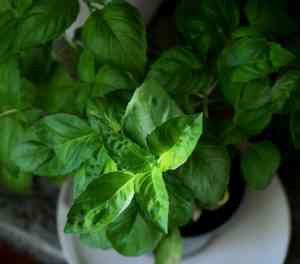
Optimal periods for relocating sweet basil are from mid to late spring or mid to late autumn, as temperatures are more moderate, fostering ideal development. Select a bright, adequately draining spot for sweet basil and handle its fragile root system with care during the transplanting procedure.
Essential Preparations Before Relocating Sweet Basil
Optimal Period for Moving Sweet Basil?
The best time to move sweet basil is during mid to late spring or mid to late autumn. This schedule promotes peak development, stronger plants, and plentiful yields. Your sweet basil will thrive, we assure you!
Required Spacing Between Sweet Basil Plants?
When relocating sweet basil, adequate spacing is crucial. Aim for approximately 1 foot (30 cm) between plants. This fosters healthy growth and ensures sufficient air circulation among them.
Best Soil Mixture for Sweet Basil Relocation?
For optimal outcomes, prepare the soil with a well-draining blend, such as loam or sandy loam. Incorporate some compost to enrich the soil and a slow-release, balanced fertilizer (like a 10-10-10 mix) to supply vital nutrients.
Where to Replant Your Sweet Basil?
Select a sunny spot for relocating sweet basil. These plants thrive with 6-8 hours of direct sunlight daily. More sun exposure leads to more flavorful and aromatic foliage.
Equipment Needed Before Relocating Sweet Basil?
Gardening Gloves
To safeguard your hands while handling soil and the sweet basil plant.
Small Trowel or Spade
For excavating a hole to replant the sweet basil plant.
Garden Fork or Shovel
To extract the sweet basil plant from its initial spot, especially if moving from the ground.
Watering Can or Hose
To hydrate the sweet basil plant during the relocation process.
Pruning Shears or Scissors
To trim any damaged or withered leaves and stems.
Compost or Organic Fertilizer
To enrich the planting hole and supply nutrients for the sweet basil plant's growth.
How to Extract Sweet Basil from the Soil?
How to Extract Sweet Basil from the Soil?
- From Ground: First, moisten the soil around the sweet basil plant by watering it. Then, use a shovel or spade to dig a wide trench around the plant, ensuring the root ball remains intact. Carefully work the spade beneath the root ball to lift the plant from its original position.- From Pot: Water the sweet basil plant thoroughly, allowing the soil to become damp but not waterlogged. Gently tip the pot onto its side and tap the edges to loosen the soil. Carefully slide the sweet basil plant out of the pot, supporting the soil around the roots to keep the root ball whole.- From Seedling Tray: Use a small spade or even a spoon to lift the seedling from the tray, applying gentle pressure to loosen the soil around the roots. Hold the sweet basil plant by its leaves, not the stem, to prevent damage to the stem or roots.
Detailed Guide for Relocating Sweet Basil
Hole Preparation
At the new planting site, dig a hole using a trowel or small spade that is twice the width and depth of the sweet basil plant's root ball.
Soil Enrichment
Add a layer of compost or organic fertilizer to the bottom of the hole and thoroughly mix it with the existing soil.
Relocation
Gently place the sweet basil plant, including its root ball, into the prepared hole, ensuring the soil line of the sweet basil plant aligns with the level of the surrounding ground.
Securing the Soil
Backfill the hole with the native soil, gently tamping it around the sweet basil plant to eliminate air pockets and firmly anchor the plant.
Hydration
Thoroughly water the sweet basil plant to help the soil settle around the roots and minimize transplant shock.
Trimming
Use pruning shears or scissors to remove any damaged or wilted leaves and stems to encourage new growth and reduce stress on the sweet basil plant.
Post-Relocation Care for Sweet Basil
Watering
Keep the soil around the sweet basil plant consistently moist, but not saturated, for the initial weeks after relocation to aid in root establishment.
Mulching
Apply a layer of organic mulch around the base of the sweet basil plant to help retain moisture and maintain a stable soil temperature.
Growth Monitoring
Observe the sweet basil plant's development, looking for any indications of stress or pest issues that may require attention.
Fertilizing
Approximately one month after relocation, apply a balanced, slow-release fertilizer according to package directions to support healthy growth.
Addressing Common Issues with Sweet Basil Relocation.
When is the best time to move sweet basil?
Relocate sweet basil in mid to late spring or mid to late fall for optimal outcomes.
What should be the ideal spacing between sweet basil plants?
Space sweet basil plants about 1 foot (30 cm) apart to ensure proper development.
How deep should I plant sweet basil during relocation?
Plant sweet basil at the same depth it was growing in its original container.
What should I do if my relocated sweet basil is wilting?
Water sweet basil thoroughly and provide temporary shade to lessen stress and aid recovery.
How to select a suitable spot for relocating sweet basil?
Relocate sweet basil to a spot with full sun and well-draining soil.
How much water does sweet basil need after relocation?
Keep the soil consistently moist, but not waterlogged, for the first few weeks after relocation.
What should I do if sweet basil's leaves yellow after relocation?
Yellow leaves can signal overwatering; reduce irrigation frequency and ensure soil drains well.
Is it necessary to acclimate sweet basil before relocation?
Yes, gradually expose sweet basil to outdoor conditions for 7-10 days to minimize transplant shock.
How can I shield relocated sweet basil from frost?
Cover sweet basil with a frost protection blanket or move potted plants indoors on frosty nights.
Can I fertilize sweet basil immediately after relocation?
Wait 1-2 weeks after relocation before applying a balanced, slow-release fertilizer to sweet basil.



