How to Transplant Love-in-a-mist?
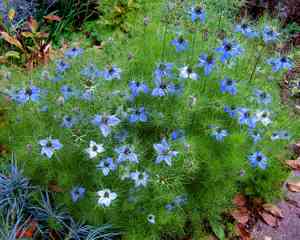
Nigella damascena flourishes optimally when relocated in the prime period of spring, guaranteeing robust development. Select a site featuring adequately draining earth and exposure to full to partial sunlight. Carefully separate the roots during transplantation to foster vigorous root establishment.
What Preparations are Needed Before Transplanting Love-in-a-mist?
What is the Ideal Time for Transplanting Love-in-a-mist?
The optimal period to relocate love-in-a-mist is from early spring through its peak. During this time, love-in-a-mist benefits from extended daylight and favorable warmth, fostering robust development. Moving love-in-a-mist in the prime of spring ensures a strong root system and more abundant blooms, enhancing your garden's aesthetic. With my helpful guidance, enjoy a thriving love-in-a-mist in your garden.
How Much Space Should You Leave Between Love-in-a-mist Plants?
For transplanting love-in-a-mist, allow each plant ample room to grow by positioning them 6-12 inches (15-30 cm) apart. This guarantees they will have sufficient space to expand and flourish.
What is the Best Soil Mix for Love-in-a-mist Transplanting?
Prepare a well-draining soil mixture with a foundational fertilizer for love-in-a-mist. Ideally, use a blend containing equal parts compost or manure, garden soil, and perlite or vermiculite. This will supply the nutrients and drainage love-in-a-mist requires.
Where Should You Relocate Your Love-in-a-mist?
Find an ideal spot in your garden for love-in-a-mist by selecting a location that receives full sun to partial shade. These plants prefer at least 4-6 hours of sunlight daily, so ensure you choose a place where they can soak up the sun's rays!
What Equipments Should You Prepare Before Transplantation Love-in-a-mist?
Gardening Gloves
To safeguard your hands while handling soil and plants.
Shovel or Spade
To excavate holes and transfer soil during transplantation.
Watering Can or Garden Hose
To hydrate the love-in-a-mist plant before and after its relocation.
Pruner or Scissors
To trim any damaged or diseased foliage.
Trowel
For more precise digging and managing seedlings during the transplanting process.
How Do You Remove Love-in-a-mist from the Soil?
How Do You Remove Love-in-a-mist from the Soil?
From Ground: First, water the love-in-a-mist plant to moisten the soil. Then, dig a wide trench around the plant using a shovel or spade, ensuring the plant's root ball remains intact. Carefully work the spade under the root ball to lift the plant from its original location.From Pot: Water the plant to dampen the soil and facilitate removal. Gently tilt the pot on its side and lightly tap the bottom until the plant slides out, keeping the root ball intact.From Seedling Tray: Water the seedlings to moisten the soil. Use a trowel or your fingers to gently loosen the soil around each love-in-a-mist seedling, being careful not to harm the roots. Lift the seedling out of the tray by gently holding the base of the stem.
Step-by-Step Guide for Transplanting Love-in-a-mist
Preparing the Soil
If necessary, prepare the garden bed by clearing any weeds, rocks, or debris. Loosen the soil by breaking it up with a shovel or garden fork, and ensure it drains effectively.
Digging a Hole
Using a shovel or trowel, excavate a hole that is slightly deeper and wider than the root ball of the love-in-a-mist plant.
Placing the Plant
Gently position the love-in-a-mist plant in the hole, ensuring the top of the root ball is level with the surrounding soil. Fill any gaps around the root ball with soil and gently firm the soil around the base of the plant.
Watering
Thoroughly water the love-in-a-mist plant immediately after transplanting to help the soil settle.
Spacing
If you are transplanting multiple love-in-a-mist plants, ensure they are spaced according to the recommended guidelines for optimal growth.
How Do You Care For Love-in-a-mist After Transplanting?
Monitoring
Regularly check your love-in-a-mist plant for signs of stress, such as wilting or yellowing leaves, and address them promptly.
Watering
Keep the soil consistently moist but not waterlogged for the initial few weeks post-transplant to encourage root establishment.
Mulching
Apply a layer of organic mulch around the plant to help retain moisture, regulate soil temperature, and deter weeds.
Trimming
Prune any dead or damaged foliage to promote healthy growth and reduce stress on the plant.
Fertilizing
After 2-3 weeks, you can apply a balanced, slow-release fertilizer to support plant growth. Avoid excessive fertilization to prevent weak growth and susceptibility to diseases.
Troubleshooting Common Issues with Love-in-a-mist Transplantation.
When is the ideal time to transplant love-in-a-mist?
The perfect season to transplant love-in-a-mist is from the beginning of spring (March) till its end around late May. The plant thrives in cooler seasons.
What is the ideal spacing needed for love-in-a-mist?
When transplanting, ensure love-in-a-mist is 6-12 inches (15-30 cm) apart. This gives the roots enough room to grow without competing for nutrients.
What if my love-in-a-mist is not blooming after transplanting?
Ensure it's not overcrowded and it receives direct sunlight daily. If it's still not blooming, it might need plant food or organic compost.
Why are the leaves of my transplanted love-in-a-mist turning yellow?
Yellow leaves could indicate overwatering or lack of sunlight. Ensure love-in-a-mist gets a sufficient amount of light and adjust watering accordingly.
What type of soil is best for transplanting love-in-a-mist?
Love-in-a-mist prefers well-drained and slightly acidic soil. Supplement with organic matter to improve soil fertility if necessary.
How often should I water love-in-a-mist after transplanting?
Initially, keep the soil moderately moist. Once established, water love-in-a-mist deeply but infrequently, to encourage strong root development.
Why isn't my love-in-a-mist growing after transplanting?
Check for enough spacing, proper soil, and adequate water. If these factors are met, transplant shock may be the issue. Wait and keep caring for it.
My love-in-a-mist wilts after transplanting, what should I do?
Transplant shock could cause wilting. Keep the soil uniformly moist, not soggy. Reduce exposure to direct sunlight until it recovers.
Do I need to fertilize love-in-a-mist after transplanting?
It's not necessary to fertilize love-in-a-mist after transplanting, but if your soil is poor, a slow-release, all-purpose fertilizer will help boost growth.
How much sunlight does the transplanted love-in-a-mist need?
Love-in-a-mist loves sunlight. Provide 6-8 hours of direct sunlight daily. Too little light can lead to weak growth and fewer flowers.



