How to Transplant Apple-of-peru?
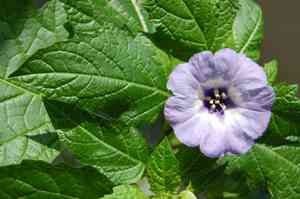
To ensure your apple-of-peru flourishes, relocate it during the pleasant period of late spring to early summer, making certain it benefits from adequately draining earth and a sun-drenched location. Handle apple-of-peru gently during transfer, preventing any disruption to its root system for optimal settling.
What Preparations are Needed Before Transplanting Apple-of-peru?
What is the Ideal Time for Transplanting Apple-of-peru?
The best time to move apple-of-peru is from late spring to early summer. This period, when frost danger has passed and the ground is warm, provides an ideal setting for apple-of-peru to develop strong roots. Moving it during this season benefits from mild temperatures, essential for apple-of-peru's steady growth and adaptation. By choosing this time, you give apple-of-peru the best chance to flourish, enjoy a longer growth cycle, and reach its full potential.
How Much Space Should You Leave Between Apple-of-peru Plants?
Start by providing ample room for each apple-of-peru plant. Approximately 2-3 feet (0.6-0.9 meters) between plants is optimal, allowing sufficient space for healthy growth. Simple, right? It truly is!
What is the Best Soil Mix for Apple-of-peru Transplanting?
For the perfect soil type, apple-of-peru thrives in well-drained soil enriched with organic compost. A foundational fertilizer containing balanced Nitrogen, Phosphorus, and Potassium will be highly beneficial. This offers excellent nutrients for consistent development. Happy preparing!
Where Should You Relocate Your Apple-of-peru?
Finding the perfect spot for apple-of-peru is straightforward. They love absorbing sunlight, so select a location with full sun exposure. This means a place that receives at least 6 hours of direct sunlight daily. Happy planting!
What Equipments Should You Prepare Before Transplantation Apple-of-peru?
Gardening Gloves
To safeguard your hands while handling soil and apple-of-peru.
Shovel or Trowel
To extract the apple-of-peru plant from its original spot and excavate a hole in the new location.
Hand Pruners
To remove any damaged or diseased portions of the plant.
Organic Mulch
To maintain soil moisture around the newly planted apple-of-peru.
Watering can
To supply water to the apple-of-peru both prior to and following transplantation.
How Do You Remove Apple-of-peru from the Soil?
How Do You Remove Apple-of-peru from the Soil?
From Ground: Begin by hydrating the apple-of-peru plant to soften the soil, making it easier to loosen. Next, use your shovel to dig a circle around the plant, ensuring the apple-of-peru's root ball remains intact. Carefully dig beneath the plant, gently lifting it from the ground.From Pot: Water the apple-of-peru in its container before you start. Tilt the pot sideways, then carefully slide out the apple-of-peru, aiming to keep its root ball whole. If the plant is stuck, you might need to tap the pot's base to dislodge it.From Seedling Tray: Gently water the seedlings in the tray. To remove, carefully separate the apple-of-peru seedlings and lift them from the tray using a spoon, again trying to keep the roots and surrounding soil as intact as possible.
Step-by-Step Guide for Transplanting Apple-of-peru
Preparation
Begin by preparing the new planting site. It should be twice as wide but only as deep as the apple-of-peru's root ball.
Placing The Plant
Position the apple-of-peru in the hole, ensuring the top of the root ball is level with the surrounding soil. Backfill the hole with soil, gently firming it around the base of the apple-of-peru.
Watering
Water the apple-of-peru thoroughly after transplanting, saturating the soil so that the water reaches the root system.
Mulching
Apply a layer of organic mulch around the apple-of-peru, which will help retain moisture and suppress weeds.
How Do You Care For Apple-of-peru After Transplanting?
Regular care
Continue to water your transplanted apple-of-peru consistently, especially during dry spells. Verify that the apple-of-peru is not wilting or showing any signs of distress.
Pest Control
Monitor your transplanted apple-of-peru for any pests or diseases, and address them as needed.
Pruning
To encourage denser growth, you might consider pruning your apple-of-peru a few weeks post-transplant. Just be sure not to remove a significant amount of the plant's foliage, as its leaves are vital for photosynthesis.
Troubleshooting Common Issues with Apple-of-peru Transplantation.
When's the ideal season to transplant my apple-of-peru?
The best times to move your apple-of-peru are during season 3 to season 4. These are the periods when the plant establishes roots most effectively.
How much space should I leave between apple-of-peru plants?
A friendly reminder, the optimal distance between two apple-of-peru plants should be approximately 2-3 feet (60-90 cm). This provides them ample room to grow and flourish.
Why are my apple-of-peru leaves turning yellow after transplantation?
Yellowing leaves might indicate your apple-of-peru is stressed from excessive watering or inadequate drainage. Ensure the soil drains well and avoid watering too frequently.
What soil type is best for transplanting apple-of-peru?
Apple-of-peru isn't particular about soil, but for optimal growth, use well-draining soil. Loam soil is an excellent choice as it retains moisture while quickly shedding excess water.
How deeply should I plant my apple-of-peru during transplantation?
Plant your apple-of-peru at the same depth it was previously growing. Planting too deep can cause stem rot; too shallow might lead to root dehydration.
Why is my transplanted apple-of-peru not flowering?
If your transplanted apple-of-peru isn't blooming, it could be due to insufficient sun exposure or nutrients. Ensure it receives full sunlight and fertilize with a balanced plant food.
How often should I water my transplanted apple-of-peru?
Water your apple-of-peru every other day after transplantation. Once established, reduce watering to once a week or when the top inch (2.5 cm) of soil feels dry.
My transplanted apple-of-peru looks wilted. What should I do?
Wilting could stem from shock or dehydration. Try placing it in a shaded, cool area for a few days and keep the soil consistently moist.
What should I do before transplanting my apple-of-peru to avoid shock?
Before transplanting, thoroughly water your apple-of-peru. This ensures the root ball is moist, which lessens transplant shock and aids the plant in adapting to its new location.
Can I use garden soil when transplanting apple-of-peru in pots?
While possible, it's not the best option. Garden soil can compact in containers, potentially leading to poor drainage. Instead, opt for a high-quality potting mix.



