How to Transplant Oleander?
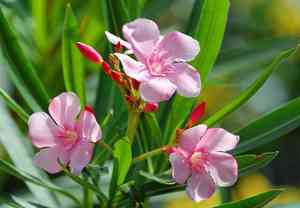
The ideal period for relocating oleander is from late spring through mid-summer, when the plant is in a phase of vigorous development. Select a site that receives ample sunlight and possesses soil with good drainage for the best outcome. Exercise care with the root system during the transfer; a seamless shift to its new environment is beneficial.
What Preparations are Needed Before Transplanting Oleander?
What is the Ideal Time for Transplanting Oleander?
The optimal period for relocating oleander spans from late spring to mid-summer. This timeframe ensures prime growing conditions, minimizing transplant shock and enhancing establishment. Moving oleander during this season will lead to a flourishing and attractive plant.
How Much Space Should You Leave Between Oleander Plants?
When transplanting oleander, we recommend providing each plant ample room to develop. Ideally, space them approximately 6-12 feet (1.8-3.7 meters) apart – this will facilitate proper air circulation and prevent overcrowding for these lovely perennials.
What is the Best Soil Mix for Oleander Transplanting?
The perfect soil for oleander should drain well and be rich in organic matter. It's advisable to incorporate compost or well-rotted manure before transplanting to enrich the soil. Add a balanced, slow-release fertilizer to ensure robust growth and abundant flowering.
Where Should You Relocate Your Oleander?
Oleander is a sun-loving plant, so select a site that receives abundant daily sunlight – at least 6 hours of direct sun is optimal. This will enable your perennials to thrive and produce beautiful blooms throughout the growing season.
What Equipments Should You Prepare Before Transplantation Oleander?
Gardening Gloves
To safeguard your hands while handling soil and the plant.
Shovel or Spade
For excavating the hole and extracting the oleander plant from its initial spot.
Pruning Shears
For trimming damaged roots or branches during the relocation process.
Wheelbarrow or Garden Cart
To move the oleander plant and soil from one place to another.
Watering Can or Hose
To keep the oleander plant and soil adequately hydrated during the transplant process.
Tarp or Large Plastic Sheet
To shield the surrounding area from debris or to wrap the root ball.
How Do You Remove Oleander from the Soil?
How Do You Remove Oleander from the Soil?
- From Ground:First, hydrate the oleander plant to moisten the soil. Then, excavate a wide trench around the plant using a shovel or spade, ensuring the plant's root ball remains intact. Carefully work the spade beneath the root ball to lift the plant from its original position.- From Pot:First, thoroughly water the oleander plant. Then, gently tilt the pot on its side and carefully slide the plant out, supporting the root ball with your hands. If the plant is stuck, use a gentle tapping motion on the sides of the pot to loosen the roots.- From Seedling Tray:Gently lift the oleander seedling from the tray by carefully pinching the stem near the base and lifting. Be cautious not to harm the roots while removing the seedling.
Step-by-Step Guide for Transplanting Oleander
Preparing the New Location
Dig a hole at the chosen site that is twice the width and the same depth as the oleander's root ball.
Grooming the Plant
Trim away any damaged roots or branches using pruning shears. This will help the plant focus on new growth after relocation.
Placing the Plant
Gently position the oleander plant in the hole, ensuring it sits at the same level as it was in its initial spot.
Backfilling the Hole
Slowly fill the hole with soil, lightly compacting the soil around the root ball to eliminate air pockets without over-compressing. Be sure to leave a slight indentation around the base to aid with watering.
Watering
Thoroughly water the oleander plant, allowing the water to permeate the soil before adding more.
Mulching
Apply a layer of organic mulch around the base of the oleander plant to help retain moisture and regulate soil temperatures.
How Do You Care For Oleander After Transplanting?
Watering
Keep the soil around the oleander consistently moist, but not waterlogged, for the initial few weeks after transplanting to aid in establishing strong roots.
Pruning
Trim back any remaining damaged stems or branches. Lightly pinch back the tips of new growth to encourage a bushier habit.
Monitoring
Regularly inspect the oleander plant for any indications of stress or poor health, such as yellowing leaves or wilting. Address any issues as necessary.
Pest Control
Keep an eye out for pests and implement preventative measures, such as removing plant debris and maintaining proper watering practices.
Troubleshooting Common Issues with Oleander Transplantation.
When is the best time to transplant a oleander?
The ideal time to relocate oleander is late spring to mid-summer when the plant is actively growing.
What is the proper spacing when transplanting oleander?
Ensure a distance of approximately 6-12 feet (1.8-3.7 meters) between oleander plants for optimal development.
How do I prepare the soil for transplanting oleander?
Prepare well-draining soil, rich in organic matter, and slightly acidic to neutral (pH 6-7.5).
What is the ideal depth for planting oleander?
Plant oleander at the same depth as its original container, making sure the root ball is adequately covered.
How much sunlight does a oleander need after transplanting?
Oleander thrives in full sun, so transplant it in an area that receives at least 6 hours of direct sunlight.
What is the proper watering schedule for oleander after transplanting?
Water oleander generously after transplanting, then maintain consistent moisture, allowing the top 1-2 inches (2.5-5 cm) of soil to dry between waterings.
How do I protect newly transplanted oleander from frost?
Place oleander in sheltered spots, away from frost, and cover with blankets or horticultural fleece when frost is anticipated.
Do I need to fertilize oleander after transplanting?
Yes, apply a balanced, slow-release fertilizer soon after transplanting to encourage healthy growth.
Should I prune oleander before or after transplanting?
Prune oleander lightly before transplanting to promote bushiness, but avoid heavy pruning until it's well established.
How long does it take for a oleander to establish after transplanting?
It typically takes 2-3 weeks for oleander to establish in its new location. Patience is crucial for success!



