How to Transplant Catnip?
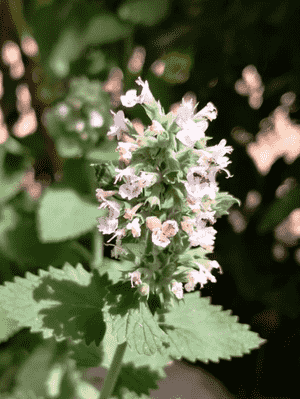
The ideal period for relocating catnip is in the mild conditions of mid to late spring or early summer, which facilitates excellent root development. Select a location that receives ample sunlight or partial shade and has effective drainage to encourage robust growth. A gentle reminder: minimize disturbance to the root system to ensure a seamless transfer.
What Preparations are Needed Before Transplanting Catnip?
What is the Ideal Time for Transplanting Catnip?
The best time to move catnip is from mid-spring to early summer. This period, characterized by mild weather and consistent moisture, allows catnip roots to establish without extreme temperature stress. Transplanting then promotes strong growth, utilizing the season's gentle warmth and extended daylight. This carefully chosen interval gives catnip the best start in its new spot, making it a garden favorite.
How Much Space Should You Leave Between Catnip Plants?
When positioning your catnip, ensure each plant is spaced approximately 1-2 feet (30-60 cm) apart. This provides ample room for individual growth without resource competition. Don't be concerned if it appears widely spaced; catnip will eventually fill the area!
What is the Best Soil Mix for Catnip Transplanting?
For catnip, select a soil that drains well, as it dislikes sitting in water. Before planting, incorporate some organic compost or a balanced granular fertilizer into the soil. This will provide a beneficial nutrient boost to initiate your catnip's growth.
Where Should You Relocate Your Catnip?
Catnip thrives in sunlight! Choose a sunny spot in your garden that receives at least 6 hours of direct sun daily. With adequate sunlight, your catnip will flourish and remain a garden staple for many seasons.
What Equipments Should You Prepare Before Transplantation Catnip?
Gardening Gloves
To shield your hands from soil and prevent injuries while handling the catnip plant and tools.
Shovel/Spade
To excavate the ground and extract the plant from its original location without harming its roots.
Trowel
To dig smaller holes, which are perfect for relocating seedlings.
Garden Fork
To loosen compacted soil in the new planting areas for the catnip plant.
Pruning Shears
To trim any damaged roots or leaves on the catnip plant.
Watering Can/Hose
To hydrate the planting site before and after transplanting.
How Do You Remove Catnip from the Soil?
How Do You Remove Catnip from the Soil?
From Ground: First, ensure the soil around the catnip plant is moist by watering it. Using a spade or shovel, carefully dig a wide circle around the plant to preserve the entire root ball. Get beneath the plant, gently prying it upward from the root ball to keep the roots intact.From Pot: Begin by watering the catnip plant to dampen the soil. Gently tilt the pot sideways while simultaneously supporting the plant at its base with your other hand. If the plant is deeply embedded, you might need to lightly tap the pot's base. Once removed, clear away excess soil from the roots, being careful not to damage them.From Seedling Tray: First, water the seedlings, then, with your fingers or a small utensil like a spoon, gently loosen the soil around each seedling cup. Lift the catnip seedling and its surrounding soil from the tray, taking care not to harm or stress the delicate plant.
Step-by-Step Guide for Transplanting Catnip
Site Preparing
Loosen the soil in your chosen planting area using a gardening fork. The hole should be roughly twice the width and the same depth as the root ball or pot.
Pre-watering
Moisten the hole with water before placing the catnip plant in it. This helps create a favorable environment for the root ball.
Planting
Carefully position the catnip plant in the hole. The top of the root ball or the soil from the pot or tray should be level with the ground's surface.
Backfilling
Refill the soil around the catnip plant in the hole, ensuring it is firm but not overly compressed. This stability will support the plant while still allowing water to drain.
Watering
Thoroughly water the planting area, saturating the soil but avoiding standing water.
How Do You Care For Catnip After Transplanting?
Watering
For two weeks post-transplant, maintain consistent soil moisture without waterlogging the plant. This adequate watering will aid root establishment.
Pruning
Any withered or discolored leaves can be carefully trimmed, which will encourage new growth and maintain the catnip plant's health.
Protection
Shield the catnip plant from harsh weather and animals, especially in the initial days after transplanting. This care will ensure healthy growth and longevity.
Observation
Over the following days, monitor the catnip plant's development. Wilting or yellowing leaves may indicate stress or disease. Generally, the catnip plant should show signs of new growth within a few weeks.
Troubleshooting Common Issues with Catnip Transplantation.
When's the most suitable time to transplant catnip?
The ideal period for transplanting catnip is between late spring and early fall: sufficient warmth and moisture encourage growth.
What's the ideal distance to maintain between each catnip while transplanting?
To ensure each catnip flourishes, maintain a spacing of approximately 1-2 feet (30-60 cm). This guarantees ample room for growth.
How long does it take for catnip to adjust post-transplanting?
Catnip generally adapts quickly to its new surroundings. However, allow 2-3 weeks for noticeable growth signs after transplantation.
Should I transplant catnip in sun or shade?
Catnip prefers sunlight, so locate an area with abundant light. Nevertheless, they can endure light shade in hotter climates.
What's the best way to handle catnip plants root while transplanting?
Avoid damaging the roots. Try to extract as much of the root ball as possible. This ensures successful transplanting.
What kind of soil suits catnip best when transplanting?
Catnip adapts to most soil types, but well-drained and slightly alkaline soils lead to optimal growth after transplantation.
How often should I water catnip post-transplant
Water catnip thoroughly initially, then regularly based on soil dryness. However, avoid over-watering to prevent root rot.
Should I use a pot or plant catnip directly in the ground?
Both methods work! Catnip thrives in pots for indoor cultivation and directly in the ground when transplanting outdoors.
Do catnip plants require any special care after being transplanted?
Catnip aren't demanding but will benefit from a protective layer of mulch. This helps retain soil moisture and control weeds.
What steps can I take if my transplanted catnip begins to wilt?
Review your plant's watering schedule and sun exposure. Catnip requires well-drained soil and full sun for vigorous growth.



