How to Transplant Common swamp pitcher-plant?
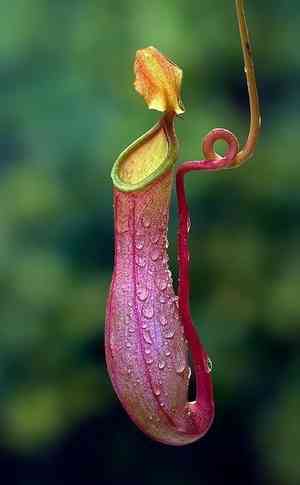
Relocating common swamp pitcher-plant is most successful when undertaken from early to mid-spring or from early to late winter, as these intervals foster robust root development. Select a site offering abundant sunlight and effective drainage; proceed with care during handling, minimizing root disturbance to ensure a prosperous transplant. Enjoy your planting!
What Preparations are Needed Before Transplanting Common Swamp Pitcher-plant?
What is the Ideal Time for Transplanting Common Swamp Pitcher-plant?
Moving the common swamp pitcher-plant is best done from early spring to mid-spring or from early winter to late winter. The mild weather during these periods supports strong root development and vigorous growth of the common swamp pitcher-plant. Additionally, it allows the plant ample time to acclimate before the intense summer heat or severe winter cold. Therefore, relocating the common swamp pitcher-plant during these windows provides optimal growing conditions.
How Much Space Should You Leave Between Common Swamp Pitcher-plant Plants?
When transplanting your common swamp pitcher-plant, provide ample room for them to thrive. Position them approximately 8-12 inches (20-30 cm) apart to ensure optimal living conditions.
What is the Best Soil Mix for Common Swamp Pitcher-plant Transplanting?
Your common swamp pitcher-plant will flourish in a well-draining soil blend of sphagnum moss and perlite. For robust growth, an initial application of slow-release Osmocote pellets will establish an excellent nutrient foundation.
Where Should You Relocate Your Common Swamp Pitcher-plant?
Choose a spot that provides your common swamp pitcher-plant with partial sunlight – ideally, filtered or dappled light is most suitable. While they can endure direct sun, it's crucial to shield them from extreme heat and intense afternoon rays.
What Equipments Should You Prepare Before Transplantation Common Swamp Pitcher-plant?
Gardening Gloves
To safeguard your hands while handling soil and plants.
Shovel or Spade
For excavating the hole and extracting the plant from its original spot.
Garden Trowel
To assist in moving and replanting the specimen.
Pruning Shears
To trim any dead or damaged portions of the common swamp pitcher-plant plant.
Watering Can or Hose
For hydrating the plant before and after its relocation.
How Do You Remove Common Swamp Pitcher-plant from the Soil?
How Do You Remove Common Swamp Pitcher-plant from the Soil?
From Ground: First, moisten the common swamp pitcher-plant plant to dampen the surrounding soil. Next, dig a wide trench around the plant using a shovel or spade, ensuring the root ball remains intact. Carefully work the spade beneath the root ball to lift the plant from its initial position.From Pot: Water the common swamp pitcher-plant plant generously several hours prior to transplanting. Gently tap the pot's sides to loosen the soil. Then, carefully slide the plant out of the pot, taking care not to harm the root ball.From Seedling Tray: Dampen the soil around the common swamp pitcher-plant seedlings and carefully extract them using a garden trowel. Be gentle to prevent any damage to the delicate roots.
Step-by-Step Guide for Transplanting Common Swamp Pitcher-plant
Hole Preparation
Excavate a hole twice the width of the root ball and slightly deeper than its height. Loosen the soil at the bottom and sides of the hole to encourage root expansion.
Position Plant
Gently place the common swamp pitcher-plant plant into the hole, ensuring the top of the root ball is level with the surrounding ground.
Backfill
Carefully refill the hole with a mixture of native soil and peat moss or well-rotted compost. Confirm the common swamp pitcher-plant plant stands upright and gently firm the soil to eliminate air pockets.
Watering
Thoroughly water the common swamp pitcher-plant plant once it is in place. This will help settle the soil and remove any remaining air pockets.
Mulching
Apply a layer of organic mulch, such as pine needles or shredded bark, around the base of the common swamp pitcher-plant plant to aid in moisture retention and keep the roots cool.
How Do You Care For Common Swamp Pitcher-plant After Transplanting?
Watering
Keep the soil around the common swamp pitcher-plant consistently moist, but not waterlogged, for the initial weeks post-transplant to aid in establishing strong roots.
Pruning
Trim any dead or damaged leaves and traps to encourage healthy growth and help the common swamp pitcher-plant plant direct its energy towards developing a robust root system.
Pest Control
Monitor the common swamp pitcher-plant plant for any indications of pests or disease and address them promptly. This will assist the plant in recovering more quickly from the transplanting process.
Fertilizing
Avoid using chemical fertilizers for the first few weeks after transplanting, as they can stress the common swamp pitcher-plant plant. Instead, apply a diluted organic fertilizer or well-rotted compost after a month to provide additional nutrients to the plant.
Troubleshooting Common Issues with Common Swamp Pitcher-plant Transplantation.
When should I transplant my common swamp pitcher-plant?
Your common swamp pitcher-plant should be moved in early to mid-spring or early to late winter. These seasons are beneficial for the plant's root establishment and growth.
How much space should I leave between each common swamp pitcher-plant when transplanting?
Ensure adequate spacing, ideally about 8-12 inches (20-30 cm) between each common swamp pitcher-plant. This promotes healthy growth, allowing for ample airflow and root spread.
What type of soil is best suitable for transplanting common swamp pitcher-plant?
Common swamp pitcher-plant thrives in peat-based or sphagnum-mossy soil. A well-drained, slightly acidic soil is ideal to facilitate its growth after transplantation.
How deep should I plant my common swamp pitcher-plant during transplanting?
Plant your common swamp pitcher-plant so that the bulb rests just beneath the soil surface. Planting too deep can hinder growth, while too shallow may expose it to environmental harm.
Should I water my common swamp pitcher-plant immediately after transplanting?
Absolutely! Hydrate your common swamp pitcher-plant right after transplanting. This will help the roots settle and begin to establish in the new soil environment.
How can I prepare my common swamp pitcher-plant for transplantation?
Initially, thoroughly water common swamp pitcher-plant a day or two before transplanting. This will ensure it is sufficiently moisturized to handle the transplantation process.
How do I handle the roots of my common swamp pitcher-plant during transplantation?
Carefully separate the roots of your common swamp pitcher-plant without causing any damage. If the roots are tangled, gently untangle them to encourage better growth post transplantation.
What should I do if my transplanted common swamp pitcher-plant begins to wilt?
Don't panic! Wilting can occur due to transplant shock. Consistent watering and protection from harsh conditions in the initial days post-transplant can help the common swamp pitcher-plant recover.
Should I use a container or transplant directly in the garden?
Either works! Common swamp pitcher-plant transplants well in containers and gardens alike. Just ensure the location receives partial shade and has well-drained soil to promote growth.
How soon can I expect my transplanted common swamp pitcher-plant to bloom?
Patience is key! It could take a growing season or more before your transplanted common swamp pitcher-plant begins to flower, as it first needs to settle and grow in the new location.



