How to Transplant North's false flag?
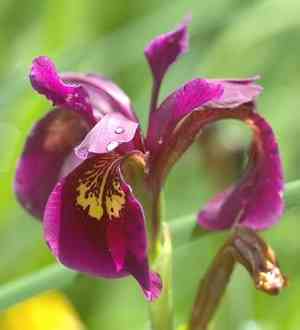
For north's false flag, the ideal timeframe for root development spans from the onset of late spring to the peak of summer, fostering vigorous growth. Provide a brightly illuminated location with some dappled light, and thoroughly water following transplantation to facilitate adaptation.
Preparations Required Before Relocating North's False Flag?
Optimal Period for Transplanting North's False Flag?
The best time to move north's false flag is during the peak of early to mid-season warmth, typically from late spring through mid-summer. This timing leverages the subsequent growth period, allowing north's false flag ample opportunity to establish roots and flourish in its new spot. The warmth and stable weather promote strong growth and reduce transplant shock, setting north's false flag up for success in its fresh environment.
Recommended Spacing Between North's False Flag Plants?
When selecting a location for your north's false flag, aim for an optimal spacing of approximately 18-24 inches (45-60 cm) apart. This provides each plant sufficient room to develop fully and display its beauty without overcrowding.
Ideal Soil Mixture for North's False Flag Transplanting?
Let's prepare a welcoming bed for your north's false flag. Incorporate organic material into your soil to enrich it and ensure good drainageâa perfect environment for its roots. A balanced, slow-release fertilizer will offer a gentle boost as they settle in.
Where to Replant Your North's False Flag?
Choose a location for your north's false flag where it can enjoy partial shade. Excessive sun can be detrimental, and we want to avoid that. Filtered sunlight, such as beneath the canopy of open trees, would be ideal for these green companions.
Equipment Needed Before Transplanting North's False Flag?
Gardening Gloves
To safeguard your hands while handling soil and the plant.
Shovel or Spade
For digging around and beneath the plant for removal and to excavate the new hole.
Watering Can or Hose
To hydrate north's false flag before extraction and after replanting.
Gardening Trowel
For more precise digging and positioning the plant in its new site.
Pruning Shears
To trim any damaged roots or foliage if necessary.
Wheelbarrow or Garden Cart
For moving north's false flag to its new spot, especially if it's large.
Measuring Tape
To gauge the depth and width of the hole required for transplanting.
How to Extract North's False Flag from the Soil?
How to Extract North's False Flag from the Soil?
From Ground: First, water north's false flag to moisten the soil, making it easier to manage. Then, carefully dig a wide circle around the plant with a shovel or spade, ensuring to keep a generous amount of soil around the root ball. Gently work the tool underneath to loosen north's false flag and use your hands to support the plant as you lift it from the ground.From Pot: Saturate the soil with water to facilitate removal. Tilt the pot sideways and gently tap the bottom to help dislodge north's false flag. Support the plant by its base and carefully guide it out of the pot, making sure to preserve the root ball.From Seedling Tray: Water the seedlings sufficiently so the soil is damp. Using a trowel or your fingers, gently loosen the soil around the desired north's false flag seedling. Carefully lift the seedling by its leaves, not the stem, ensuring that the roots and attached soil come with the seedling.
Step-by-Step Guide for Transplanting North's False Flag
Preparation
Gather all necessary tools and ensure sufficient water is available for the transplanting process.
Removal
Follow the detailed guidelines for removal to extract your north's false flag from its current location without harming the roots.
Hole Preparation
Dig a hole in the new spot that is twice as wide as the root ball and of the same depth to ensure north's false flag is not planted deeper than before.
Placement
Carefully position north's false flag in the center of the hole. Gently spread out the roots, and place the plant so the top of the root ball is level with the surrounding ground.
Filling In
Backfill the hole with soil, gently but firmly tamping down around the plant to eliminate air pockets and provide support for north's false flag.
Watering
Water north's false flag thoroughly after planting to settle the soil and hydrate the roots. Use a gentle flow to prevent washing away soil around the plant.
Support
If north's false flag is particularly tall or top-heavy, consider staking it for support until its roots have grown enough to stabilize it.
Post-Transplant Care for North's False Flag?
Initial Watering
Water north's false flag generously immediately after transplanting to help settle the soil and reduce transplant shock.
Monitoring
Observe the plant closely for signs of stress like wilting or discoloration and adjust care as needed.
Subsequent Watering
Keep the soil around north's false flag moist for several weeks, being careful not to let it dry out completely or become waterlogged.
Staking
If you've staked your plant, check regularly to ensure ties aren't too tight and readjust as north's false flag grows.
Pruning
Remove any dead or damaged foliage to direct north's false flag's energy towards healthy growth.
Mulching
Apply a layer of mulch around the base of north's false flag to conserve moisture, suppress weeds, and regulate soil temperature.
Addressing Common Issues with North's False Flag Transplantation.
How to determine the best time to transplant north's false flag?
Aim to transplant north's false flag during the prime growing seasonâideally from late spring through mid-summer.
What is the recommended spacing for transplanting north's false flag?
Allow each north's false flag ample space to flourish by planting them 18-24 inches (45-60 cm) apart.
Why are my transplanted north's false flag plants wilting?
Wilting after transplanting can indicate shock. Ensure consistent soil moisture, avoiding both sogginess and dryness.
What if north's false flag doesn't flower after transplanting?
Be patient; north's false flag may delay blooming while it adjusts. Provide sufficient sunlight and avoid excessive fertilization.
How deep should I plant north's false flag when transplanting?
The new hole should match the depth of the root ball. Plant north's false flag at the same level it was previously growing.
What soil type is best for transplanting north's false flag?
Use well-draining soil rich in organic matter. North's false flag prefers a balance of moisture retention and drainage.
How much sunlight does north's false flag need after transplanting?
After transplanting, north's false flag thrives in full to partial sunlightâconsider a location with morning sun and afternoon shade.
Can I divide north's false flag during transplanting? How?
Yes, divide north's false flag by gently separating the rhizomes. Ensure each division has roots and a few leaves.
How often should I water north's false flag after transplanting?
Water north's false flag generously after transplanting, then maintain moisture without waterloggingâwater when the topsoil feels dry.
Should I use fertilizer immediately after transplanting north's false flag?
Refrain from fertilizing right after transplanting. Allow north's false flag to settle for a few weeks before introducing nutrients.



