How to Transplant Wild daffodil?
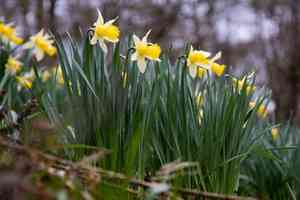
The ideal period for relocating wild daffodil is from mid-spring through late spring, as they are in an active growth phase. Select a site that receives partial shade and has soil that drains effectively. During the transplanting process, ensure sufficient room and minimize any disruption to the root system.
What Preparations are Needed Before Transplanting Wild Daffodil?
What is the Ideal Time for Transplanting Wild Daffodil?
The optimal period for relocating wild daffodil is from mid to late spring, as this offers the best growing conditions. During this time, wild daffodil benefits from warmer temperatures, ample sunlight, and soil that drains well, ensuring successful establishment and vibrant blooms. Utilize this season for a flourishing wild daffodil!
How Much Space Should You Leave Between Wild Daffodil Plants?
When moving your wild daffodil, ensure a spacing of approximately 3-6 inches (7.5-15 cm) between each plant. This promotes optimal development and prevents competition for soil nutrients.
What is the Best Soil Mix for Wild Daffodil Transplanting?
For a successful wild daffodil relocation, select well-draining soil with a slightly acidic pH (6.0-6.5). Prior to transplanting, incorporate some organic compost or a slow-release balanced fertilizer to supply essential nutrients.
Where Should You Relocate Your Wild Daffodil?
Choose a site for your wild daffodil that receives full to partial sun exposure, ideally at least 4 hours of direct sunlight daily, as this aids in producing vibrant blooms and maintaining plant health.
What Equipments Should You Prepare Before Transplantation Wild Daffodil?
Gardening Gloves
To safeguard your hands while handling soil and the wild daffodil plant.
Shovel or Spade
For digging holes and loosening the soil in the new planting area.
Trowel
Used for precise digging and moving plants.
Watering Can
To hydrate the wild daffodil plant both before and after its relocation.
Pruning Shears
For trimming any damaged roots or foliage.
Organic Compost
To supply nutrients and enhance soil structure for the wild daffodil plant.
How Do You Remove Wild Daffodil from the Soil?
How Do You Remove Wild Daffodil from the Soil?
- From Ground:First, water the wild daffodil plant to moisten the soil. Next, dig a wide trench around the plant using a shovel or spade, making sure the plant's root ball stays intact. Carefully work the spade beneath the root ball to lift the plant from its original spot.- From Pot:Hydrate the wild daffodil plant to dampen the soil. Gently tip the pot onto its side and carefully slide the plant out, keeping the root ball whole.- From Seedling Tray:Water the wild daffodil seedlings and use a trowel or your fingers to gently loosen the soil surrounding the seedling. Carefully lift the seedling from the tray, holding it by the leaves rather than the stem to prevent harm.
Step-by-Step Guide for Transplanting Wild Daffodil
Prepare the Soil
At the chosen site, loosen the soil and remove any weeds or debris. Amend the soil with organic compost to improve its structure and nutrient content, mixing it thoroughly with the existing soil.
Dig the Hole
Using a shovel or spade, excavate a hole at least twice the width and the same depth as the wild daffodil's root ball.
Prune Damaged Roots
Gently inspect the wild daffodil root system and use pruning shears to trim any broken or injured roots.
Transplant wild daffodil
Position the wild daffodil plant in the center of the prepared hole, ensuring that the top of the root ball is level with the surrounding soil surface.
Backfill the Hole
Refill the hole with the amended soil, gently firming it down to eliminate air pockets and ensure good soil contact with the roots.
Water
Water the wild daffodil thoroughly after transplanting, and ensure the soil settles around the root ball.
How Do You Care For Wild Daffodil After Transplanting?
Watering
Provide the wild daffodil with consistent moisture, without saturating the soil, for the initial few weeks post-transplant to aid in developing strong roots.
Mulch
Apply a layer of organic mulch around the base of the wild daffodil to help retain moisture, deter weeds, and regulate soil temperature. Ensure the mulch is an inch or two away from the stem.
Pruning
Remove any dead or damaged leaves as they appear, and encourage bushy growth by pinching back new shoots. Regularly remove spent blooms to promote further flowering.
Fertilization
Feed the wild daffodil with a balanced, slow-release fertilizer in early spring and again in late summer to encourage growth and blooms. Always follow the manufacturer's instructions for correct application rates.
Troubleshooting Common Issues with Wild Daffodil Transplantation.
When is the best time to transplant wild daffodil?
The optimal season for relocating wild daffodil is mid to late spring, ensuring ideal growth.
What is the recommended spacing for transplanting wild daffodil?
Space wild daffodil bulbs approximately 3-6 inches (7.5-15 cm) apart to ensure proper growth and development.
How deep should I plant wild daffodil bulbs?
Plant wild daffodil bulbs about 3-4 inches (7.5-10 cm) deep with the pointed end facing up for optimal growth.
What type of soil works best for transplanting wild daffodil?
Wild daffodil thrives in well-draining soil that is rich in organic matter with a slightly acidic to neutral pH.
Can I transplant wild daffodil in containers, and how should I do it?
Yes, plant wild daffodil bulbs 3-6 inches (7.5-15 cm) apart in containers with drainage holes, filled with well-draining soil.
How should I water wild daffodil after transplanting?
Water wild daffodil thoroughly after planting and consistently during its growth season; avoid over-watering to prevent rotting.
What are some fertilization tips for transplanting wild daffodil?
Apply a slow-release, balanced fertilizer or organic compost upon planting and once annually in the spring.
Should I mulch the planting area for wild daffodil?
Adding 2-3 inches (5-7.5 cm) of mulch helps to retain moisture, regulate soil temperature, and suppress weeds.
What should I do if my wild daffodil isn?? blooming after transplanting?
Blooming issues can be due to insufficient sunlight, overcrowding, or poor soil conditions. Reassess your planting conditions accordingly.
How can I prevent pests and diseases after transplanting wild daffodil?
Maintain good airflow, remove dead leaves, and treat with organic or chemical treatments if needed to prevent pests and diseases.



