How to Transplant Poet's narcissus?
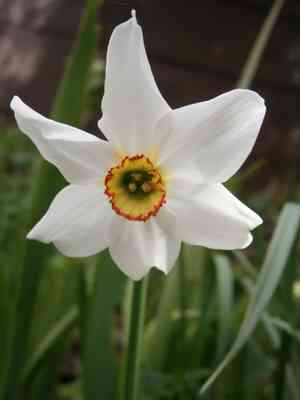
The ideal period for relocating poet's narcissus is from early to mid-spring or late autumn to mid-winter, since these times provide favorable temperatures for root development. Select a site with good drainage and partial sun exposure for successful re-establishment. If required, allow sufficient distance between individual plants to encourage robust development.
What Preparations are Needed Before Transplanting Poet's Narcissus?
What is the Ideal Time for Transplanting Poet's Narcissus?
Relocate your poet's narcissus during the pleasant warmth of early to mid-spring or the gentle coolness of late autumn to mid-winter. These periods ensure optimal development, allowing poet's narcissus to establish roots before extreme temperatures arrive. Moving them at these times results in robust, vibrant plants. Remember, our botanical companions flourish when we anticipate their requirements!
How Much Space Should You Leave Between Poet's Narcissus Plants?
When transplanting poet's narcissus, ensure each plant is spaced 4-6 inches (10-15 cm) apart. This spacing facilitates proper growth and promotes abundant flowering.
What is the Best Soil Mix for Poet's Narcissus Transplanting?
Prepare the ground for poet's narcissus by utilizing well-draining soil, rich in organic material. Gently incorporate a balanced slow-release fertilizer (such as a 10-10-10) into the soil before planting.
Where Should You Relocate Your Poet's Narcissus?
Select a site for poet's narcissus that receives full sun to partial shade – ideally, approximately 6 hours of direct sunlight daily. This encourages vigorous growth and vivid blooms.
What Equipments Should You Prepare Before Transplantation Poet's Narcissus?
Gardening Gloves
To safeguard your hands while handling soil and plants.
Shovel or Garden Trowel
To excavate suitable holes for relocation and to move earth.
Garden Spade or Transplanting Spade
To assist in lifting the plant from its initial position.
Measuring Tape
To guarantee appropriate spacing between plants according to their growth needs.
Watering Can or Garden Hose
For hydrating the plant during and after its relocation.
How Do You Remove Poet's Narcissus from the Soil?
How Do You Remove Poet's Narcissus from the Soil?
From Ground: First, moisten the poet's narcissus plant to dampen the soil. Next, dig a wide trench around the plant using a shovel or spade, ensuring the plant's root ball remains intact. Carefully work the spade beneath the root ball to lift the plant from its original spot.From Pot: Water the poet's narcissus plant in its container before relocating. Place your hand over the pot's top, securing the plant's stem between your fingers. Invert the pot and gently tap its sides to help the root ball slide out without damaging the roots.From Seedling Tray: Allow the poet's narcissus seedlings to reach a size that is easy to handle. Carefully lift each seedling from the tray, holding it by the leaves rather than the stem to prevent harm. Use a small utensil, like a spoon, to help loosen the soil around the roots without injuring them.
Step-by-Step Guide for Transplanting Poet's Narcissus
Planting Time
Poet's narcissus is best moved in the autumn, allowing ample time for root establishment before winter's arrival.
Prepare the Planting Hole
Excavate a hole twice the width and depth of the root ball. If relocating multiple plants, use the measuring tape to ensure adequate spacing, typically around 6 inches apart.
Amend the Soil
Combine the excavated soil with compost or well-rotted manure to enrich nutrients and improve soil structure.
Place the Plant
Gently lower the poet's narcissus plant into the hole, positioning it so the top of the root ball is level with the surrounding ground.
Backfill the Hole
Refill the hole with the amended soil, gently pressing it down around the root ball to eliminate any air pockets.
Water
Thoroughly water the plant with a watering can or garden hose, ensuring the soil is uniformly moist.
How Do You Care For Poet's Narcissus After Transplanting?
Watering
Keep the soil around the poet's narcissus consistently damp, but not waterlogged, for the initial weeks post-transplant to aid in developing strong roots.
Mulching
Apply a layer of organic mulch around the plant's base to help retain moisture and stabilize soil temperature. This also helps prevent weeds from competing for nutrients.
Deadheading
Regularly remove spent or faded flowers to encourage more blooms and prolong the flowering season. Simply pinch or snip off the dead blooms and stems with your fingers or a pair of scissors.
Pests and Diseases
Monitor for common pests and diseases affecting poet's narcissus, such as aphids, slugs, and snails. Treat with an appropriate pesticide or organic solution as needed.
Fertilizing
Apply a balanced, slow-release fertilizer near the base of the poet's narcissus plant in spring to support its growth and blooming throughout the season.
Troubleshooting Common Issues with Poet's Narcissus Transplantation.
When's the ideal time to transplant poet's narcissus?
A gentle reminder, the optimal period to relocate poet's narcissus is from early spring to mid-spring, or late autumn to mid-winter.
How much space should I leave between poet's narcissus when transplanting?
Ensure you provide a comfortable distance of 4-6 inches (10-15 cm) between each poet's narcissus when moving them. This will facilitate their unhindered growth.
What are the common symptoms if poet's narcissus is not transplanted properly?
Typically, indicators of incorrect relocation include yellowing foliage, stunted growth, or wilting. In severe cases, poet's narcissus may perish.
Is it a good idea to water poet's narcissus immediately after transplanting?
Absolutely! Irrigating poet's narcissus right after relocation helps settle the soil around the plant and minimize transplant shock.
What kind of soil is ideal for transplanting poet's narcissus?
Poet's narcissus thrives in well-drained soil. Incorporate some compost or other organic material to enhance the soil's drainage capacity.
How big should the hole be when transplanting poet's narcissus?
Your planting hole should be three times the diameter of the poet's narcissus's bulb, typically around 3-4 inches (7.5-10 cm) deep.
What should I do if the leaves of poet's narcissus start to turn yellow after transplanting?
Excessive watering is a frequent cause of yellowing leaves. Try reducing your irrigation and ensure your poet's narcissus receives sufficient sunlight.
Is it necessary to add fertilizer when transplanting poet's narcissus?
It is not mandatory, but a mild bulb fertilizer can supply poet's narcissus with essential nutrients to flourish after relocation.
What happens if I transplant poet's narcissus in the wrong season?
Relocating poet's narcissus outside its ideal season could result in poor development, sparse blooms, or other stressors.
How can I prevent transplant shock in poet's narcissus?
Ensure adequate watering before and after relocation, avoid disturbing the roots, and transplant when temperatures are cooler to prevent poet's narcissus transplant shock.



