How to Transplant Philippine mussaenda?
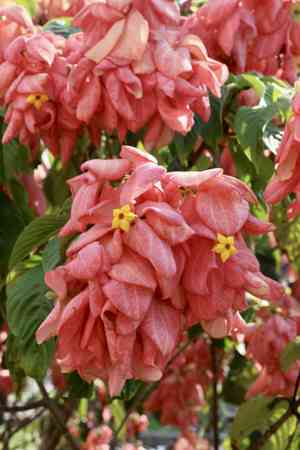
Transplanting philippine mussaenda is most effective in late winter, when conditions are cool and damp, fostering robust root development prior to the summer's warmth. Select a site featuring good drainage and dappled sunlight. During the relocation process, minimize disruption to the root system to ensure optimal integration.
Essential Preparations Before Relocating Philippine Mussaenda?
Optimal Period for Relocating Philippine Mussaenda?
Late winter, just prior to spring's arrival, is an excellent time for transplanting philippine mussaenda. During this period, cooler temperatures and increased moisture encourage robust root development. Moving philippine mussaenda at this stage allows roots to establish without the stress of intense summer heat, setting them up for vigorous growth in spring. This strategic timing is perfect, as the plant can adapt to its new spot before the demands of the blooming season. A friendly reminder: attentive care during this season guarantees a spectacular display of philippine mussaenda's vibrant flowers!
Recommended Spacing Between Philippine Mussaenda Plants?
When planning to relocate philippine mussaenda, you should maintain 3-5 feet (0.9-1.5 meters) between each plant. This spacing helps each philippine mussaenda grow optimally, ensuring they have ample room to develop and flourish.
Best Soil Blend for Philippine Mussaenda Relocation?
Philippine mussaenda thrives in well-draining soil, rich in organic matter. Consider incorporating a generous amount of compost or aged manure into the base of your planting hole to supply abundant nutrients for your philippine mussaenda.
Ideal New Location for Your Philippine Mussaenda?
Select a sunny to partially shaded spot for philippine mussaenda. These plants enjoy sun but also benefit from some afternoon shade, especially in hotter climates. Ensuring proper sun exposure will promote healthy development.
Necessary Equipment Before Transplanting Philippine Mussaenda?
Gardening Gloves
To safeguard your hands while handling soil and the plant.
Shovel or Trowel
To excavate around and beneath the root ball of the philippine mussaenda plant during removal and to create a suitable hole for transplanting.
Watering Can
To hydrate the plant before and after the transplanting procedure.
Pruning Shears
To trim away any damaged or dead portions of the plant.
Wheelbarrow or Gardening Cart
To effortlessly move the philippine mussaenda plant from its original spot to its new location.
Garden Fork
To loosen the soil in the new location before transplanting philippine mussaenda.
How to Extract Philippine Mussaenda from the Soil?
How to Extract Philippine Mussaenda from the Soil?
From Ground: Start by watering the philippine mussaenda plant to moisten the soil. This will facilitate easier extraction of the plant without harming its root structure. To remove the plant, first dig a wide trench around it using a shovel or trowel. Ensure the plant's root ball is fully encircled. Then carefully work your tool beneath the root ball and lift the plant from its position.From Pot: Similarly, you should thoroughly water the plant before the transplanting process. Turn the pot on its side and gently pull out the philippine mussaenda plant. Make sure you are holding onto the base of the plant, not the stem or leaves, to prevent breakage. If the plant is stuck, you can tap around the pot to loosen the soil.From Seedling Tray: Water the tray and wait until the water is absorbed. Then gently lift the philippine mussaenda plant from its cell by holding onto the leaves, not the stem. Use a butter knife to assist in lifting the root ball if necessary.
Step-by-Step Guide for Relocating Philippine Mussaenda
Preparation
Prepare the new site by digging a hole that's twice the size of the philippine mussaenda's root ball using your shovel or trowel. Then loosen the soil around the hole with a garden fork.
Transplanting
Carefully place the philippine mussaenda plant into the hole. Ensure the top of the root ball is level with the surrounding soil to avoid burying the stem. Fill the remainder of the hole with soil, pressing firmly to secure the plant.
Watering
Fill the hole with water and allow it to soak in. Afterward, fill it with soil. This process ensures your plant has ample moisture as it settles.
Trimming
Use your pruning shears to remove any damaged or dead parts of the philippine mussaenda plant. This helps the plant direct its energy towards new growth.
Post-Transplant Care for Philippine Mussaenda.
Watering
After transplanting, the philippine mussaenda will require consistent watering until it establishes in its new environment. However, do not over-saturate the soil; ensure it remains moist but avoid waterlogging.
Pruning
Regularly remove any dead or yellowing leaves to maintain your plant's health and prevent disease.
Monitoring
Closely observe your philippine mussaenda plant for the initial few weeks. Watch for any signs of stress like wilting or discoloration and adjust care as needed.
Resolving Common Issues with Philippine Mussaenda Transplantation.
When is the best time to transplant philippine mussaenda?
The ideal period for transplanting philippine mussaenda ranges between stage 4 and stage 12, offering considerable flexibility.
What should be the optimal distance between each philippine mussaenda during transplantation?
Maintain an optimal spacing of approximately 3-5 feet (1-1.5 meters) between each philippine mussaenda to ensure peak growth.
What to do if the transplanted philippine mussaenda is not thriving as expected?
Ensure philippine mussaenda receives sufficient sunlight and that the soil drains well. Also, check for any pest infestations.
What type of soil does philippine mussaenda prefer during transplantation?
Philippine mussaenda favors humus-rich soil with good drainage. The soil pH should ideally be between 5.5-6.5.
How frequently should I water the transplanted philippine mussaenda?
Water philippine mussaenda regularly but ensure the soil is not waterlogged. Make sure the soil is slightly moist to the touch.
Why are the leaves of my transplanted philippine mussaenda turning yellow?
Yellow leaves may indicate overwatering or nutrient deficiencies. Review your watering schedule and consider adding a balanced plant food.
How should I handle philippine mussaenda while transplanting?
Handle philippine mussaenda gently during transplanting. Avoid damaging the root structure and plant the root ball just below the soil surface.
How to boost the growth of philippine mussaenda after transplant?
Consistent watering, full to partial sunlight, and supplementing with a balanced plant food can accelerate the growth of philippine mussaenda.
Why has my transplanted philippine mussaenda stopped blooming?
Philippine mussaenda may cease blooming due to insufficient sun, excessive watering, or nutrient deficiency. Adjust your care routine accordingly.
What should I do if the transplanted philippine mussaenda is not standing upright?
If philippine mussaenda is not upright, it might be due to strong winds or a weak root system. Provide a plant support and ensure the roots are well-established.



