How to Transplant Compact grape hyacinth?
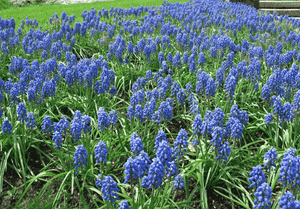
The optimal period for relocating compact grape hyacinth is between early and mid-spring, as the plant is prepared to settle into its new surroundings. Select a spot featuring adequately draining soil and filtered sunlight, and ensure the roots remain hydrated throughout the procedure for a flourishing compact grape hyacinth!
Essential Preparations Before Relocating Compact Grape Hyacinth
Optimal Period for Transplanting Compact Grape Hyacinth?
Move your compact grape hyacinth during its renewal phase, from late winter to early spring, an ideal time for revitalization. This timeframe promotes strong root growth, leading to a healthier, more vibrant specimen. As you get ready for this crucial step, remember that timing is key for ensuring vivid colors and a higher survival rate for your compact grape hyacinth. Take the plunge, and watch your compact grape hyacinth flourish!
Recommended Spacing Between Compact Grape Hyacinth Plants?
When relocating compact grape hyacinth, proper spacing is crucial. Ideally, allow each plant approximately 2-3 inches (5-7.5 cm) of room. This enables root expansion and growth, minimizing competition for nutrients and water.
Best Soil Mixture for Compact Grape Hyacinth Transplantation?
For relocating compact grape hyacinth, select well-draining soil and incorporate a balanced, all-purpose granular fertilizer to supply vital nutrients. This plant thrives in rich, loamy, and slightly alkaline soil. Remember to water thoroughly post-transplant.
Where to Replant Your Compact Grape Hyacinth?
Choose a location with full sun or partial shade, as compact grape hyacinth benefits from a good balance of sunlight for healthy development. Ensure the chosen spot receives at least 4-6 hours of daily sunlight to guarantee proper growth and blooming.
Equipment Needed Before Transplanting Compact Grape Hyacinth?
Spade or Shovel
For excavating holes and lifting the plant from its initial spot.
Gardening Gloves
To safeguard your hands while handling soil and plants.
Watering Can
To hydrate the compact grape hyacinth before and after relocation.
Trowel
For smaller, more precise digging tasks.
Garden Cart/Wheelbarrow
If the plant is heavy, utilize a garden cart or wheelbarrow to transport it to its new site.
Organic Mulch
To retain moisture and inhibit weed growth around the fresh planting area.
Compost/Fertilizer
To enrich the soil at the new location and aid the plant's recovery after transplant.
How to Extract Compact Grape Hyacinth from the Soil?
How to Extract Compact Grape Hyacinth from the Soil?
From Ground: Ensure the compact grape hyacinth is watered to moisten the soil. This will facilitate loosening the soil and removing the plant. Using your spade or shovel, carefully begin to dig a wide circle around the compact grape hyacinth, ensuring ample space to avoid root damage. Once you've dug deep enough to get beneath the root ball, gently lift the compact grape hyacinth from the ground.From Pot: Start by watering the compact grape hyacinth to dampen the potting medium. Carefully turn the pot on its side, supporting the main stem of the compact grape hyacinth between your fingers. Use your other hand to gently squeeze and tap the pot, loosening the root ball. Carefully slide the compact grape hyacinth out of the pot, retaining as much of the original soil around the roots as possible.From Seedling Tray: Water the seedlings first to make the soil more pliable. Gently hold the compact grape hyacinth seedling by its leaves or rootball, avoiding the stem. Use a dibber or similar tool to push the rootball out of the seedling tray from the bottom. Carefully lift out the seedling, avoiding tugging or pulling.
Detailed Steps for Transplanting Compact Grape Hyacinth
Preparation
Before beginning the transplanting process, ensure the new planting hole is ready. It should be twice the width of the root ball and deep enough so the compact grape hyacinth sits at its original depth.
Positioning
Gently place the compact grape hyacinth in the middle of the prepared hole. Backfill the hole with the excavated soil, compost, and fertilizer mixture, gently firming around the plant's base.
Watering
Immediately after transplanting, thoroughly water the compact grape hyacinth to settle the soil around its roots. This eliminates air pockets and ensures good root-to-soil contact. Avoid excessive watering, which can suffocate roots and encourage fungal diseases.
Mulching
Apply a layer of organic mulch around the base of the compact grape hyacinth to help retain moisture and suppress weeds.
Post-Transplant Care for Compact Grape Hyacinth
Watering
Water the compact grape hyacinth regularly, but avoid overwatering. The soil should be moist, not saturated. Over time, aim for less frequent but deeper watering to encourage stronger root development.
Mulching
Replenish the mulch as needed to maintain a 2-3 inch layer. This will help preserve soil moisture and inhibit weed growth.
Pruning
Trim any dead or dying foliage from the compact grape hyacinth to redirect energy towards healthier growth.
Monitoring
Observe the compact grape hyacinth for signs of stress, such as yellowing or drooping leaves. If these symptoms appear, adjust your care routine accordingly. Remember that sunlight, water, and nutrient requirements may differ in the new location.
Resolving Common Issues with Compact Grape Hyacinth Transplantation.
When is the optimal time to transplant compact grape hyacinth?
The best period for relocating compact grape hyacinth is from early to mid-spring. This timing promotes vigorous growth.
What is the ideal distance between compact grape hyacinth plants during transplanting?
Proper spacing for compact grape hyacinth is approximately 2-3 inches (5-7.5 cm). This ensures ample room for them to thrive.
What are effective practices for successful compact grape hyacinth transplantation?
To successfully transplant compact grape hyacinth, prepare the soil for good drainage, maintain proper spacing, and water immediately after transplanting.
Why is my transplanted compact grape hyacinth wilting?
Wilting can be caused by root shock, over or under-watering, or sun exposure. Gradually acclimate compact grape hyacinth to their new environment to prevent shock.
What depth should I consider when transplanting compact grape hyacinth?
For compact grape hyacinth, ensure the hole depth matches that of the root ball or container. This allows the plant to establish itself correctly.
Can I transplant compact grape hyacinth without its root ball?
No, it is crucial to transplant compact grape hyacinth with its root ball intact. Damaging the roots can weaken the plant and reduce its survival chances.
Why isn't my transplanted compact grape hyacinth blooming?
Several factors can impact blooming; your compact grape hyacinth might require more sunlight, improved soil fertility, or the bulbs could be too young or overcrowded.
Is it possible to transplant compact grape hyacinth in summer or fall?
Compact grape hyacinth is best transplanted in early to mid-spring to encourage healthy development. Transplanting in other seasons might negatively affect its growth.
How frequently should I water compact grape hyacinth after transplanting?
Water compact grape hyacinth immediately after transplantation. Afterward, maintain a moderate watering schedule, keeping in mind compact grape hyacinth prefers a well-draining environment.
How to handle compact grape hyacinth bulbs during transplantation?
Handle compact grape hyacinth bulbs gently during transplantation to prevent damage. Plant them with the pointy end up, at a depth three times their height for optimal results.



