How to Transplant Scarlet banana?
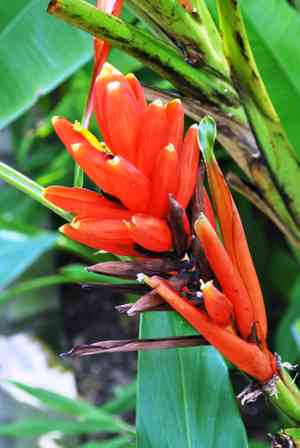
Relocating scarlet banana is most successful from the end of spring to mid-summer, capitalizing on the vigorous growth phase of this period. Select a brightly illuminated location that offers effective drainage. Carefully managing the root system during the transfer guarantees a seamless adjustment.
What Preparations are Needed Before Transplanting Scarlet Banana?
What is the Ideal Time for Transplanting Scarlet Banana?
The best time to move scarlet banana is during the warm period of early to mid-summer. Relocating scarlet banana in this season promotes root establishment and growth due to the warm soil, aiding recovery from transplant shock. In this vibrant phase of the year, scarlet banana's potential to thrive is at its peak, ensuring a smooth transition to its new spot.
How Much Space Should You Leave Between Scarlet Banana Plants?
When planting your scarlet banana, remember to provide ample room for growth. Aim for a spacing of approximately 5-10 ft (1.5-3 m) between them, allowing each plant sufficient area to expand and develop beautifully.
What is the Best Soil Mix for Scarlet Banana Transplanting?
For your scarlet banana, prepare a welcoming environment with soil that drains well. Consider enriching the earth with a balanced, slow-release fertilizer to give your plants a robust start. Incorporating organic matter can also help create an ideal foundation for development.
Where Should You Relocate Your Scarlet Banana?
Your scarlet banana will flourish in a sunny location with some partial shade. Choose a spot where they can receive at least 4-6 hours of direct sunlight daily, but also be protected during the hottest parts of the day. This balance will help your scarlet banana thrive.
What Equipments Should You Prepare Before Transplantation Scarlet Banana?
Gardening Gloves
To safeguard your hands while handling soil and the plant.
Shovel or Spade
To excavate around and beneath the scarlet banana plant for safe removal of its root ball.
Pruning Shears
To trim any dead or overgrown parts before the transplanting process.
Wheelbarrow or Garden Cart
To move the scarlet banana plant from its original spot to the new location.
Watering Can or Hose
To thoroughly water the scarlet banana plant following transplantation.
Mulch
To help retain moisture and regulate soil temperature once the scarlet banana is replanted.
Stakes or Plant Supports
To offer stability to the scarlet banana plant if necessary.
How Do You Remove Scarlet Banana from the Soil?
How Do You Remove Scarlet Banana from the Soil?
From Ground: First, hydrate the scarlet banana plant to moisten the soil, making it easier to manage. Then, carefully dig a wide circle around the plant using a shovel or spade, at a distance that avoids cutting into the root system. Gently lift the root ball from the soil with the tool, ensuring it remains as intact as possible.From Pot: Tip the pot on its side and tap its sides and bottom to loosen the scarlet banana plant. Slide the root ball out without pulling on the plant itself. If the plant is stuck, you might need to cut the pot away.From Seedling Tray: Dampen the soil mix first to minimize root disturbance. Use a spoon or a small implement to lift each scarlet banana seedling by its roots while supporting the plant base, being careful not to harm the delicate stems.
Step-by-Step Guide for Transplanting Scarlet Banana
Preparation
Consider the mature size of scarlet banana and ensure your new spot has sufficient space for growth. This prevents the need for future transplants which can stress the plant.
Digging The Hole
Excavate a hole at the new site that is twice the width of the root ball and of equal depth so the scarlet banana sits at the same level it was originally growing.
Placing the Plant
Carefully lower the scarlet banana into the center of the new hole. Gently spread out the roots if they are clustered to encourage outward growth.
Backfilling the Hole
Gradually fill in the hole with soil around the scarlet banana root ball, lightly firming down the soil to eliminate large air pockets.
Staking
If the scarlet banana is tall or top-heavy, insert stakes into the ground and loosely tie the plant to provide support.
Watering and Mulching
Water the scarlet banana deeply after transplanting and apply a layer of mulch around the base to help retain moisture.
How Do You Care For Scarlet Banana After Transplanting?
Regular Watering
Ensure consistent watering for the scarlet banana to keep the soil moist as it adjusts to its new location.
Observation
Monitor the scarlet banana for indications of transplant shock, such as wilting or discolored leaves, and intervene if necessary.
Pruning
Remove only any dead or damaged foliage to direct the scarlet banana's energy towards root development instead of sustaining compromised leaves.
Stabilizing
Periodically check the stakes to confirm they are providing adequate support without constricting the growing scarlet banana.
Fertilizing
Hold off on fertilizing until the scarlet banana has shown signs of new growth and is well established in its new location.
Troubleshooting Common Issues with Scarlet Banana Transplantation.
What is the best time to transplant scarlet banana?
The optimal period to transplant scarlet banana is from late spring through midsummer, when temperatures are consistently warm.
How far apart should I space scarlet banana when transplanting?
Space scarlet banana approximately 5-10 feet (1.5-3 meters) apart to allow them ample room to flourish.
What should I do if scarlet banana wilts after transplanting?
Ensure scarlet banana receives sufficient water and is protected from intense afternoon sun for a few days to aid recovery.
How deep should the hole be when transplanting scarlet banana?
Dig a hole as deep as the root ball and twice its width to comfortably accommodate scarlet banana's roots.
Should I amend the soil when transplanting scarlet banana?
Adding organic matter to the soil can enhance its fertility and drainage, benefiting scarlet banana's growth.
How do I handle root-bound scarlet banana during transplanting?
Gently untangle the roots or make vertical cuts to encourage them to spread out in the new location.
How much should I water scarlet banana after transplanting?
Water scarlet banana thoroughly after transplanting to settle the soil, then maintain consistent moisture without overwatering.
What signs indicate scarlet banana is not adapting well after transplanting?
Yellowing leaves, stunted growth, or leaf drop could signal that scarlet banana is stressed. Evaluate water and sunlight conditions.
Can I fertilize scarlet banana right after transplanting?
Wait a few weeks before fertilizing to avoid burning the delicate newly-transplanted roots of scarlet banana.
What type of sunlight is best for scarlet banana post-transplant?
Provide scarlet banana with bright, indirect sunlight initially and gradually move to direct sunlight as it establishes.



