How to Transplant Edible banana?
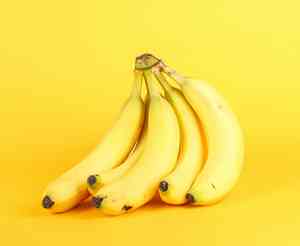
For optimal results, relocate edible banana plants during the pleasant period spanning from late spring to mid-summer, as these conditions are conducive to root development. Select a brightly lit spot featuring soil that drains effectively. Carefully managing the root ball assists in facilitating a less stressful move.
What Preparations are Needed Before Transplanting Edible Banana?
What is the Ideal Time for Transplanting Edible Banana?
The best time for moving edible banana is at the transition from late spring to early summer. This period offers warm ground, promoting strong root development. Relocating edible banana then utilizes the full growing season, ensuring good establishment before colder weather. Mild conditions and longer days are perfect for edible banana's recovery and growth after transplant, increasing your success.
How Much Space Should You Leave Between Edible Banana Plants?
When planning your garden, ensure ample room for your edible banana to flourish. Ideally, maintain a generous spacing of approximately 10-12 feet (3-3.7 meters) between each plant. This allows for proper root expansion and overall vitality.
What is the Best Soil Mix for Edible Banana Transplanting?
Your edible banana thrives in rich, well-draining soil. Begin preparation by incorporating a blend of organic compost and slightly acidic soil. For nutrients, a slow-release granular fertilizer with balanced nitrogen, phosphorus, and potassium is a good starting point.
Where Should You Relocate Your Edible Banana?
Remember, your edible banana requires a sunny location. It benefits from at least 6-8 hours of daily sunlight. However, it also appreciates some shade during the hottest part of the day to prevent scorching. Choose your site carefully.
What Equipments Should You Prepare Before Transplantation Edible Banana?
Shovel or spade
Used for excavating the banana plant, keeping its root ball intact.
Gardening Gloves
To safeguard your hands while handling soil and the plant.
Garden trowel
Useful for planting small banana plants or working in confined areas.
A bucket or tub
For holding the plant and preventing damage during transport.
A wheelbarrow
To move the plant and soil if necessary.
A pruning shears
For trimming banana's roots if required.
Compost
To enrich the soil with nutrients after transplanting is finished.
Mulch
To aid in retaining moisture in the new spot.
Garden Hose or watering can
For hydrating the plant post-transplant.
How Do You Remove Edible Banana from the Soil?
How Do You Remove Edible Banana from the Soil?
From Ground: First, hydrate the edible banana plant to moisten the soil. Then, excavate a wide trench around the plant using a shovel or spade, ensuring the plant's root ball remains undisturbed. You may need to trim roots if they are excessively large, using pruning shears. Exercise caution to avoid root damage. Once the root ball is fully exposed, transfer it to your prepared bucket or tub.From Pot: Again, start by watering your edible banana, then tilt the pot sideways, grasp your edible banana near the base, and gently attempt to pull and twist to release it. If the edible banana is stuck, you might need to tap the pot's bottom to loosen the soil and roots. Once it comes out, carefully place it in the bucket, taking care not to harm the root ball.From Seedling Tray: Since the edible banana in the seedling tray is small, you should be able to lift it out easily. If it resists, invert the tray and gently tap it until the edible banana comes free, then transplant it directly into the prepared hole.
Step-by-Step Guide for Transplanting Edible Banana
Digging the Hole
Begin by excavating a hole in your chosen spot. The hole should be twice the size of edible banana's root ball and of equal depth. Place the excavated soil into the wheelbarrow or onto a tarp.
Placing the edible banana
Carefully position the edible banana in the hole. Adjust the depth by adding or removing soil at the base of the hole to ensure the edible banana is at its original planting depth.
Backfilling the hole
Gently refill the hole with the removed soil, lightly tamping it down as you proceed to eliminate any air pockets.
Watering
Water the edible banana immediately after transplanting. Ensure the water penetrates deeply into the soil to encourage root establishment.
Mulching
After watering, spread a layer of mulch around the edible banana to assist in moisture retention.
Caring
Monitor the edible banana for any indications of stress or disease. Provide care as needed.
How Do You Care For Edible Banana After Transplanting?
Pruning
Trim any leaves that have wilted or turned brown. This will stimulate new growth and help the edible banana direct its energy towards root development.
Watering
Ensure the soil remains moist but not waterlogged. Excessive watering can lead to root rot. After the initial few weeks, you can reduce the watering frequency.
Weeding
Keep the surrounding area free of weeds. They compete for nutrients and water, which can stress your newly transplanted edible banana.
Checking
Regularly inspect your edible banana for signs of pests or disease. Early detection can help prevent a minor issue from escalating into a significant problem.
Patience
Be patient, as edible banana may take some time to show signs of new growth after transplanting. It's a stressful process for plants, so don't be concerned if initial growth seems slow.
Troubleshooting Common Issues with Edible Banana Transplantation.
When is the best time to transplant edible banana?
The optimal period to transplant edible banana is during the early to late season, specifically S3-S5, to ensure proper growth and development.
What is the ideal spacing for planting edible banana?
For best results, edible banana should be planted with a distance of 10-12 feet (3 to 3.6 meters). This provides sufficient space for root expansion.
How much sunlight does edible banana need after being transplanted?
Edible banana thrives in full sun. Ensure the plant receives at least six hours of direct sunlight daily following transplantation.
How often should I water edible banana after transplanting?
Make sure to water edible banana immediately after transplanting. Consistently moist soil is preferred; avoid allowing it to dry out completely.
Should I fertilize edible banana after transplanting?
Yes, applying a balanced slow-release granular fertilizer helps edible banana acclimate better in its new location. Apply it at the time of transplanting.
How do I prepare the soil for transplanting edible banana?
Enrich the soil with well-composted organic matter. A slightly acidic to neutral pH level is ideal for edible banana.
What size of hole should I dig for transplanting edible banana?
You need to dig a hole twice the size of edible banana's root ball. This ensures it can fit comfortably without being constricted.
What should I do if the leaves wilt after transplanting edible banana?
Edible banana leaves may wilt due to transplant shock. Keep the soil moist and the plant in shade until it recovers.
How deep should edible banana be planted when transplanting?
Plant edible banana at the same depth it was growing previously. The uppermost roots should be just beneath the surface.
How long does it take for edible banana to establish after transplanting?
Generally, edible banana begins to establish within three to four weeks after transplanting. During this period, provide adequate water and care.



