How to Transplant Deergrass?
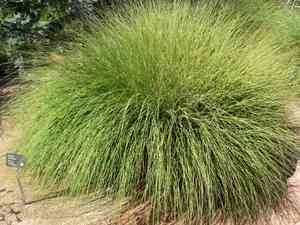
The optimal period for relocating deergrass is at the onset of spring, which offers a phase of vigorous development. Choose a bright spot featuring soil that drains effectively. Should it be required, pre-transplant root trimming facilitates a seamless adjustment for deergrass.
Necessary Preparations Before Relocating Deergrass?
Optimal Period for Moving Deergrass?
The beginning of the growing season, as nature reawakens, presents an ideal opportunity for relocating deergrass. Moving deergrass at this time ensures roots settle in moderate soil conditions, maximizing growth potential. Shifting deergrass now takes advantage of the entire upcoming growing season, promising strong development and vigor. A gentle reminder: attentive care during this phase sets deergrass up for a thriving year.
Required Spacing Between Deergrass Plants?
When relocating your deergrass, ensure each new plant has ample room to grow. Aim for approximately 2-3 feet (60-90cm) between each plant. This allows their roots and foliage to expand without competing for resources.
Best Soil Mixture for Deergrass Relocation?
The perfect soil for your deergrass is well-draining and rich in organic material. For an advantageous start, incorporate some slow-release granular base fertilizer into the soil before planting. It will supply vital nutrients and support healthy development.
Recommended Location for Your Deergrass?
Select a site that receives abundant sunlight for your deergrass. Most varieties flourish in full sun, but this plant can also tolerate some light shade. Roughly 6 hours of daily sunlight would be a good guideline.
Equipment Needed Before Transplanting Deergrass?
Gardening Gloves
To safeguard your hands while handling soil and plants.
Shovel or Garden Spade
To assist in excavating the deergrass from its current spot, and for preparing the new planting hole.
Watering Can
To hydrate the plant both prior to and following the transplanting procedure.
Trowel
For refining the new planting hole and aiding in plant placement.
Gardening Fork
To aerate and loosen the soil in the new planting area, facilitating easier root growth.
Mulch
To help maintain soil moisture after relocation.
Wheelbarrow or Bucket
To safely transport the plant from its original position to the new one.
How to Extract Deergrass from the Soil?
How to Extract Deergrass from the Soil?
From Ground: First, moisten the deergrass plant to dampen the soil. Use a shovel or garden spade to dig a wide trench around the plant, ensuring the plant's root ball remains intact. Carefully work the spade beneath the root ball to lift the plant from its initial location. It's advisable to transfer the plant into a wheelbarrow or bucket for easy movement.From Pot: Hydrate the deergrass to loosen the soil. Turn the pot on its side, gently hold the plant by its base, and tap the pot's rim against a flat surface. This will help the root ball slide out of the pot. If the plant is severely root-bound, you may need to cut the pot away.From Seedling Tray: Ensure the deergrass has reached an appropriate size and possesses a robust root system before transplanting. Fill a small pot with potting mixture, create a hole in the center, then carefully lift the seedling by its leaves, not the stem, and place it in the hole. Fill the hole with soil, pressing gently.
Step-by-Step Guide for Relocating Deergrass
Preparation
Use your trowel or spade to excavate a hole in the new site. It should be twice as wide as the root ball, but nearly the same depth. Loosen the soil at the base and sides of the hole with the gardening fork.
Transplanting
Position the deergrass plant in the center of the hole, ensuring it stands upright. Aim to keep the top surface of the root ball level with the ground.
Soil Backfill
Gently refill the hole with the excavated soil, compacting it around the root ball. Be careful not to bury the plant's stem or leaves.
Watering
Thoroughly water the plant using the watering can, ensuring the soil surrounding the root ball is completely moistened.
Mulching
Apply a layer of mulch around the base of the deergrass plant to help retain soil moisture and inhibit weed growth.
Post-Transplant Care for Deergrass?
Watering
Continue to irrigate regularly, ensuring the soil does not become dry. This aids the deergrass in establishing and growing in its new spot.
Pruning
Trim away any dead or damaged parts of the deergrass to encourage fresh growth and prevent disease spread.
Weed Control
Periodically inspect the area around the deergrass and remove any emerging weeds to prevent competition for resources.
Protection
In extreme weather (intense heat or frost), shield the deergrass with a plant cover to minimize stress and shock.
Addressing Common Issues with Deergrass Relocation.
When is the optimal time to move deergrass?
The best period to relocate deergrass is during S1, which provides the most favorable conditions for root establishment and growth.
What is the correct spacing when planting deergrass?
For healthy development, deergrass should be planted with a gap of approximately 2-3 feet (60-90 cm) to allow sufficient room for each plant.
What soil type does deergrass prefer for relocation?
Deergrass thrives in well-drained soil; it can grow in various soil types, from clay to sandy, but proper drainage is crucial.
How deep should the hole be for transplanting deergrass?
Excavate a hole large enough to accommodate the root ball. Generally, it should be about twice as wide and the same depth as the root.
How should I prepare the deergrass for relocation?
Water the deergrass 1-2 days before moving it. This facilitates easier removal and reduces stress during the relocation process.
What is the best watering practice after transplanting deergrass?
Water deergrass thoroughly immediately after transplanting. Subsequently, water deeply when the top two inches (5 cm) of soil begin to dry out.
What types of fertilizer are suitable for deergrass after relocation?
Deergrass typically requires minimal fertilizer. A balanced fertilizer with equal parts nitrogen, phosphorus, and potassium can benefit this plant post-transplant.
How to ensure root establishment of deergrass after transplanting?
Keep the soil around deergrass consistently moist but not waterlogged for several weeks after transplanting to ensure root establishment.
Should I prune deergrass before or after transplanting?
It's advisable to lightly prune deergrass after transplanting to help the plant direct more energy towards root development.
Why are my relocated deergrass plants wilting?
Wilting can indicate transplant shock. Consistent watering, careful sun exposure, and patience should help deergrass recover.



