How to Transplant Tapeworm plant?
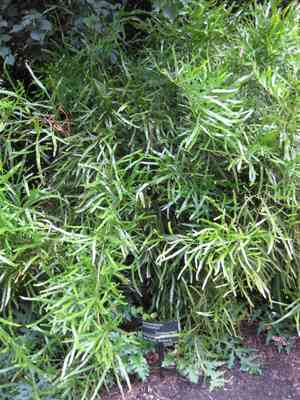
Relocate the tapeworm plant once the threat of frost has passed, as warmer weather arrives in the spring, allowing its roots to settle before the intense summer temperatures. Select a location offering filtered light and adequate drainage to foster vigorous development. A helpful tip: carefully managing the roots aids in a seamless adjustment.
What Preparations are Needed Before Transplanting Tapeworm Plant?
What is the Ideal Time for Transplanting Tapeworm Plant?
The best time to move tapeworm plant to a new spot is from early spring to just before summer. This period offers mild temperatures and consistent moisture, promoting strong root development without the stress of summer heat. Moving tapeworm plant during this window encourages vigorous growth, ensuring a healthy plant ready for the coming seasons. It's an excellent chance to improve your garden, as tapeworm plant adapts best when the soil warms and frost risk has passed.
How Much Space Should You Leave Between Tapeworm Plant Plants?
When preparing to rehome your tapeworm plant, ensure adequate room! Aim for approximately 24-36 inches (60-90 cm) between each plant. This provides sufficient area for their leaves to spread and flourish.
What is the Best Soil Mix for Tapeworm Plant Transplanting?
Your tapeworm plant will thrive in well-drained soil! Consider incorporating some organic compost for nourishment. A slow-release, balanced fertilizer will provide a gentle boost. Think of this as a substantial meal before moving day for your plant companion!
Where Should You Relocate Your Tapeworm Plant?
Choose a location for your tapeworm plant that receives sun to partial shade, where it will enjoy sunlight for at least part of the day. Avoid deep shade to ensure your leafy friend gets enough light for robust and healthy growth.
What Equipments Should You Prepare Before Transplantation Tapeworm Plant?
Gardening Gloves
To safeguard your hands while handling soil and the plant.
Shovel or Spade
For excavating the plant from its current position.
Garden Fork
To loosen the soil surrounding the roots during extraction.
Pruning Shears
To trim any damaged or excessively long root structures.
Watering Can or Hose
To hydrate the plant before and after its relocation.
Wheelbarrow or Plant Dolly
For moving the tapeworm plant if it is large or heavy.
Tarp or Burlap
For placing the root ball on during its transfer to the new site.
How Do You Remove Tapeworm Plant from the Soil?
How Do You Remove Tapeworm Plant from the Soil?
From Ground: Hydrate the tapeworm plant to moisten the soil, making it easier to manage. Use a shovel or spade to dig a wide circle around the plant, being careful to preserve the root ball. Gently pry the plant from the ground with the shovel.From Pot: Tilt the container sideways and tap its sides to loosen the soil. Carefully pull the tapeworm plant by its base and gently wiggle it out. Support the root ball with your other hand as it exits the pot.From Seedling Tray: Dampen the soil in the tray to make it pliable. Use a small tool or your fingers to carefully separate each tapeworm plant from its cell, supporting the root ball and plant base.
Step-by-Step Guide for Transplanting Tapeworm Plant
Prepare the New Site
Clear the area of weeds, rocks, and debris. Loosen the soil using a garden fork.
Inspect the Roots
Before planting, carefully examine the tapeworm plant's root ball for any signs of disease or damage. Use pruning shears to trim if necessary.
Dig the Hole
Create a hole in the soil that is twice as wide and the same depth as the tapeworm plant's root ball.
Position the tapeworm plant
Place the tapeworm plant in the center of the hole. The top of the root ball should be even with the surrounding soil surface.
Backfill the Hole
Gently fill in the hole with soil, firming it around the root ball to eliminate air pockets.
Water Thoroughly
After planting, water the tapeworm plant deeply to settle the soil and aid in root establishment.
How Do You Care For Tapeworm Plant After Transplanting?
Regular Watering
Ensure the tapeworm plant receives consistent watering to help it adapt to its new location.
Mulching
Apply a layer of organic mulch around the base of the tapeworm plant to help retain soil moisture and suppress weeds.
Staking
If the tapeworm plant is tall or top-heavy, provide appropriate staking to support the plant as it establishes.
Monitoring
Watch for signs of transplant shock, such as wilting or yellowing leaves, and address them promptly.
Troubleshooting Common Issues with Tapeworm Plant Transplantation.
When's the best time to transplant tapeworm plant?
The optimal period for transplanting tapeworm plant is from early to late spring, when growth is vigorous.
How far apart should I space tapeworm plant plants?
Aim for a spacing of 24-36 inches (60-90 cm) to give tapeworm plant ample room to thrive.
Should I water tapeworm plant immediately after transplanting?
Yes, water tapeworm plant generously to settle the soil and help roots establish in their new location.
What kind of light conditions are ideal for tapeworm plant after transplanting?
Provide tapeworm plant with partial to full sunlight to support healthy growth post-transplant.
How deep should the planting hole be for tapeworm plant?
Dig a hole as deep as the root ball and twice as wide to accommodate tapeworm plant's root system.
Can tapeworm plant be transplanted during summer or fall?
It's best to avoid hot or cold extremes; spring transplanting helps tapeworm plant establish before stressful seasons.
How do I prepare tapeworm plant's root ball for transplanting?
Gently tease out roots if pot-bound. If not, keep the root ball intact to minimize stress.
Is there a specific soil type preferred for tapeworm plant after transplanting?
Use well-draining soil, rich in organic matter, to provide tapeworm plant with a robust foundation for growth.
How do I protect tapeworm plant from transplant shock?
Minimize root disturbance, water thoroughly, and shade from intense sun for a few days to ease transition.
Should I fertilize tapeworm plant right after transplanting?
Wait 4-6 weeks post-transplant before introducing a balanced fertilizer to allow tapeworm plant to settle first.



