How to Transplant Red mulberry?
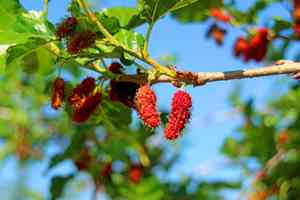
For red mulberry, introduce it to the revitalizing warmth of early spring; this period facilitates root development without the pressures of summer. Choose bright spots featuring damp, adequately draining earth. Applying mulch after planting enhances growth and retains hydration.
What Preparations are Needed Before Transplanting Red Mulberry?
What is the Ideal Time for Transplanting Red Mulberry?
The optimal time for relocating red mulberry is during the earth's spring awakening. This period offers moist soil and mild weather, aiding root establishment without extreme temperature stress. Transplanting red mulberry under these conditions boosts survival rates and encourages vigorous growth, giving the plant a strong start in its new spot. A helpful hint: utilize spring's gentle climate to provide red mulberry the nurturing environment it needs for a flourishing future!
How Much Space Should You Leave Between Red Mulberry Plants?
When moving your red mulberry, ensure to space your young plants approximately 5-10 feet (1.5-3 meters) apart. This will guarantee they have sufficient room for root and branch development, fostering healthy growth and maturation.
What is the Best Soil Mix for Red Mulberry Transplanting?
For your red mulberry, well-draining soil is excellent. A blend of garden soil and compost supplies vital nutrients. Incorporate a general-purpose fertilizer as a base to enrich the soil before planting. Remember, do not over-fertilize.
Where Should You Relocate Your Red Mulberry?
Your red mulberry should ideally be situated in a location that receives full to partial sunlight. Natural light provides energy for your plant, but this doesn't mean constant direct sun. Excessive exposure can also be detrimental.
What Equipments Should You Prepare Before Transplantation Red Mulberry?
Gardening Gloves
Crucial for safeguarding your hands from dirt, small stones, and sharp objects in the soil while tending to the plant.
Hand Trowel
A digging implement for extracting the red mulberry from its original container and for creating the transplant hole in your garden.
Garden Hose or Watering Can
Required for hydrating the plant after its relocation.
Mulch
Used to cover the transplanted area and helps maintain soil moisture.
Compost
To enrich the ground where you are moving your red mulberry.
How Do You Remove Red Mulberry from the Soil?
How Do You Remove Red Mulberry from the Soil?
From Ground: Water the red mulberry to moisten the surrounding soil. This facilitates digging and helps keep the root ball intact. Dig broadly around the red mulberry, being careful to avoid damaging the plant's roots. Once done, gently lift the plant from the ground.From Pot: Water the red mulberry until the soil is damp. Tilt the pot sideways and tap it lightly to loosen the plant. Support the plant by its base and carefully pull it out.From Seedling Tray: The red mulberry seedlings should be carefully removed from the tray once they have at least two sets of true leaves. Use a dibber or similar tool to loosen the soil around the seedlings, then gently lift them out, holding them by their leaves and not the stem.
Step-by-Step Guide for Transplanting Red Mulberry
Preparation
Thoroughly water the red mulberry plant in its initial spot, one day prior to your planned transplant. This ensures the root ball remains cohesive during the relocation process.
Dig The Hole
The hole should be twice the width of the plant's roots and equally deep. Loosen the soil at the bottom of the hole and incorporate some compost.
Plant
Position the red mulberry in the hole, spreading its roots outwards. The plant should be at the same level as it was in its original pot or ground. Refill the hole with soil, gently patting it around the plant's base.
Water
Water the plant immediately after transplanting to help settle the roots and lessen shock. This aids the plant in establishing itself in its new location.
Mulch
Apply mulch around the plant, but not touching the stem. This will help retain moisture and suppress weeds.
How Do You Care For Red Mulberry After Transplanting?
Watering
The soil should be kept consistently moist but not waterlogged. Excessive watering can lead to root rot and, consequently, an unhealthy red mulberry.
Fertilizing
Wait for approximately one month after you have transplanted the red mulberry before applying any fertilizers. Over-fertilizing too soon after relocation could harm the roots.
Pruning
Remove any damaged or dead branches to enhance the overall health and vigor of the red mulberry. Pruning also encourages the growth of new, healthy branches.
Monitoring
Watch for indications of transplant shock, such as wilting, yellow leaves, or stunted growth. If you observe these signs, ensure your plant is receiving adequate water and is protected from harsh weather conditions.
Troubleshooting Common Issues with Red Mulberry Transplantation.
When is the best time to transplant red mulberry?
The most appropriate time to move red mulberry is during the seasons of S1-S3. This allows the plant sufficient time to recover and settle before more challenging climate conditions arrive.
What is the ideal distance to maintain between red mulberry plants?
Maintain a distance of about 5-10 feet (1.5-3 meters) between each red mulberry. This provides ample room for healthy development.
How can I ensure the survival of red mulberry during the transplant?
Simple! Keep the roots moist during the relocation. Avoid exposing them to air for extended periods, as this can cause harm.
Is there a specific depth to plant red mulberry after transplantation?
Yes, typically plant red mulberry at the same depth it was in its original spot. This reduces the risk of shock and promotes successful relocation.
My red mulberry is wilting after transplantation, what could be wrong?
This might be transplant shock. Keep the soil slightly moist, avoid overwatering, and ensure red mulberry receives partial to full sunlight.
Should I prune red mulberry during transplantation?
Pruning is not essential for transplanting red mulberry. However, damaged or unruly growth may be trimmed to achieve a better shape and stimulate new growth.
What should be the ideal soil condition for transplanting red mulberry?
Red mulberry prefers well-drained soil, ideally rich in organic matter. Ensure the pH is between 6.0 and 7.0 for optimal results.
How do I minimize transplant shock for red mulberry?
Prevent prolonged root exposure and water immediately after relocation. Additionally, provide shade and mulch around the base for the initial few weeks.
How soon should I water red mulberry after the transplant?
Water red mulberry as soon as you move it. While the soil should be damp, be careful not to overwater as it could lead to root rot.
How to handle red mulberry root ball during transplantation?
Handle the root ball with care when moving red mulberry. Any damage could cause stress to the plant and impact successful relocation.



