How to Transplant Mulberry?
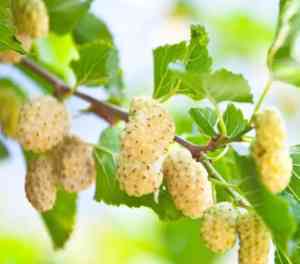
The most favorable period for relocating mulberry is from the end of spring to the middle of summer, since the elevated temperatures stimulate root development. Select a bright spot with soil that drains effectively for perfect transplanting circumstances. Carefully loosen the root mass and guarantee sufficient moisture to facilitate the adjustment.
Essential Preparations Before Relocating Mulberry
Optimal Period for Mulberry Relocation?
The most favorable time to move mulberry is during the warmer months, from late spring to mid-summer. This timeframe offers prime growing conditions, fostering root development and robust establishment.
Required Spacing Between Mulberry Plants?
When relocating mulberry, it's advisable to position these plants 15-20 feet (4.5-6 meters) apart. This spacing provides ample room for each plant's growth and guarantees sufficient sunlight exposure.
Best Soil Mixture for Mulberry Relocation?
For preparing the soil for mulberry, aim for well-draining, loamy soil. A good foundational fertilizer will be rich in organic matter. You can also incorporate aged compost or well-rotted manure prior to planting.
Where to Replant Your Mulberry?
Select a site where mulberry can receive full sun to partial shade, ideally with at least 6 hours of daily sunlight. This will ensure the plant has enough energy for growth and a bountiful yield.
Necessary Equipment for Mulberry Transplantation
Gardening Gloves
To safeguard your hands while handling soil and the plant.
Shovel or Spade
For excavating holes and extracting the mulberry plant from its initial spot.
Pruning Shears
To trim any impaired roots or branches.
Garden Fork
To aerate the soil and blend in amendments, if required.
Garden Hose or Watering Can
To hydrate the plant before and after its relocation.
Soil Amendments
To enhance the soil if necessary, such as compost or aged manure.
Mulch
To insulate the soil and retain moisture post-transplantation.
Method for Extracting Mulberry from the Ground
Method for Extracting Mulberry from the Ground?
- From Ground:First, hydrate the mulberry plant to moisten the soil. Next, excavate a broad trench around the plant using a shovel or spade, ensuring the plant's root ball remains intact. Carefully maneuver the spade beneath the root ball to lift the plant from its original position.- From Pot:Thoroughly water the mulberry plant to dampen the soil. Grasp the plant at the base of the stem while inverting the pot. Tap the pot's edge to loosen the soil, and gently slide the root ball out.- From Seedling Tray:Carefully extract the mulberry seedling from the tray by gently holding the stem and lifting it. Avoid tugging on the stem, as this can harm delicate roots and lead to transplant shock.
Detailed Instructions for Transplanting Mulberry
Hole Preparation
Excavate a hole in the chosen spot that is twice as wide and roughly the same depth as the mulberry plant's root ball. If needed, incorporate some soil amendments to improve soil quality.
Root Preparation
Examine the root ball of your mulberry plant, and use pruning shears to snip any damaged or circling roots.
Placing the Plant
Position the mulberry plant in the hole, ensuring the top of the root ball is level with the surrounding soil. If necessary, add or remove soil beneath the root ball to achieve the correct depth.
Fill the Hole
Backfill the hole with the excavated soil and any amendments you mixed in, gently pressing it down to eliminate air pockets. Be careful not to bury the plant too deeply or compact the soil too tightly, as this can harm the roots.
Water the Plant
Thoroughly water the mulberry plant to help settle the soil and minimize transplant shock. Be sure to moisten the entire root zone.
Mulch Application
Apply a 2-3 inch layer of mulch around the base of the mulberry plant to help retain moisture and insulate the roots.
Post-Transplantation Care for Mulberry
Watering
Maintain consistently moist, but not waterlogged, soil around the mulberry for the initial weeks after transplanting to aid in establishing strong roots.
Pruning and Training
Remove any dead or damaged branches, and prune the mulberry plant to encourage a robust central leader, particularly in its early growth stages.
Pest and Disease Control
Monitor the mulberry plant for indications of pests or diseases, and treat as necessary using appropriate organic or chemical control methods.
Fertilizing
Once the plant has settled into its new location and begun producing new growth, apply a slow-release, balanced fertilizer to promote overall plant health.
Resolving Common Mulberry Transplantation Issues
When is the best time to transplant mulberry?
The optimal period to transplant mulberry is late spring to mid-summer when the weather is warm and growth is active.
What spacing should I maintain between mulberry plants?
Ensure proper growth by maintaining a spacing of 15-20 feet (4.5-6 meters) between each mulberry plant.
How deep should the hole be for transplanting mulberry?
Excavate a hole that is twice the width and equal in depth to the root ball, approximately 12-18 inches (30-45 cm).
How much sun exposure do mulberry plants require after transplanting?
For optimal growth, mulberry plants need full sun to partial shade, with a minimum of 6 hours of sunlight daily.
What soil type is ideal for transplanting mulberry?
Mulberry plants prefer well-draining, fertile soil with a pH of 6.0 to 7.0. Avoid heavy clay or poorly drained soils.
How much should I water mulberry after transplanting?
Water mulberry deeply and consistently, ensuring the soil remains evenly moist but not waterlogged for the first few weeks.
When should I begin fertilizing mulberry after transplanting?
Start fertilizing 4 to 6 weeks after transplanting, using a balanced, slow-release fertilizer or compost.
Is staking necessary for mulberry after transplanting?
Staking is generally not required for mulberry, but it can be beneficial in windy areas or to support a weak stem.
What type of mulch should I use around mulberry?
Utilize organic mulch like wood chips, shredded bark, or compost to help conserve moisture and suppress weeds.
How can I prevent transplant shock in mulberry?
Avoid transplanting during extreme temperatures, keep the root ball moist, and provide adequate watering and care after transplanting.



