How to Transplant Monstera obliqua?
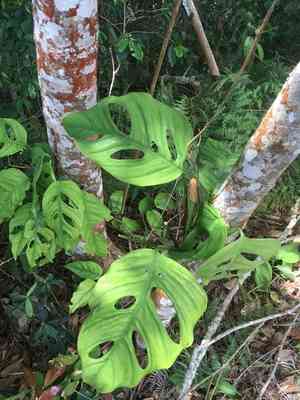
The ideal period for relocating Monstera obliqua falls between the beginning and middle of spring, or during late summer and early autumn, to facilitate prime development. Ensure you choose a site with good drainage, offering ample illumination and room. During the repotting process, carefully separate the roots, if required, to encourage more robust growth.
What Preparations are Needed Before Transplanting Monstera Obliqua?
What is the Ideal Time for Transplanting Monstera Obliqua?
The optimal period to relocate your monstera obliqua is from early to mid-spring, or from late summer to the start of autumn. Moving the plant during these times allows it to establish deeper roots and stronger shoots before the intense heat of summer or the cold of winter arrives. Furthermore, it promotes lush, healthy development, enhancing your garden's aesthetic. Your monstera obliqua will certainly benefit from this well-timed attention!
How Much Space Should You Leave Between Monstera Obliqua Plants?
When transplanting monstera obliqua, we advise maintaining a separation of 6-8 feet (1.8-2.4 meters) between individual plants. This provides sufficient room for their growth and spread without becoming overcrowded.
What is the Best Soil Mix for Monstera Obliqua Transplanting?
The perfect soil for monstera obliqua is well-draining, rich in organic material, and slightly acidic to neutral (pH 6.1-7.3). Prepare the soil by mixing in compost or a general-purpose granular fertilizer to encourage robust growth.
Where Should You Relocate Your Monstera Obliqua?
Position monstera obliqua in an area that receives bright, indirect sunlight or filtered light for most of the day. Avoid prolonged direct sun exposure, as this can lead to leaf sunburn. A spot near an east- or west-facing window is ideal.
What Equipments Should You Prepare Before Transplantation Monstera Obliqua?
Gardening Gloves
To safeguard your hands while handling soil and plants.
Shovel or Spade
To assist in digging a hole and extracting the plant from its original spot.
Trowel
For more precise excavation and planting, especially when working in confined areas or with delicate root systems.
Pruner or Scissors
To trim any damaged or excess roots prior to transplanting.
Garden Fork or Soil Rake
To help loosen and blend the soil within the planting hole.
Watering Can or Hose
To hydrate the plant both before and after its relocation.
Stake and Plant Ties
To offer support for the monstera obliqua plant if needed.
How Do You Remove Monstera Obliqua from the Soil?
How Do You Remove Monstera Obliqua from the Soil?
From Ground: First, moisten the soil around the monstera obliqua plant. Then, use a shovel or spade to dig a wide trench around the plant, ensuring the root ball remains intact. Carefully work the spade beneath the root ball to lift the plant from its initial position.From Pot: Water the plant to loosen the soil and roots. Gently tap the bottom and sides of the container to dislodge the plant and carefully slide it out, keeping the root ball whole. If the plant is stuck, lay the pot on its side and push the plant out with your hands.From Seedling Tray: Ensure that monstera obliqua seedlings have developed true leaves and are large enough for transplanting. Carefully remove each seedling using a small trowel or your fingers, taking care not to harm the roots.
Step-by-Step Guide for Transplanting Monstera Obliqua
Site Selection
Choose a location with suitable sunlight and ample space for your monstera obliqua plant to reach its mature size.
Soil Preparation
Loosen the soil in the planting hole using a garden fork or soil rake. Incorporate any necessary amendments to create a well-draining, nutrient-rich soil foundation.
Digging the Hole
Excavate a hole with a shovel or trowel, making it deep and wide enough to accommodate the plant's root ball.
Preparing the Plant
Trim any damaged or superfluous roots using a pruner or scissors.
Placing the Plant
Gently lower the monstera obliqua plant into the hole, ensuring the top of the root ball is level with the surrounding ground.
Filling the Hole
Backfill the hole with soil, lightly tamping it down around the plant's root ball to eliminate any air pockets.
Watering
Thoroughly water the plant to help settle the soil and encourage root development.
Staking (Optional)
If required, provide support for the monstera obliqua plant using a stake and plant ties.
How Do You Care For Monstera Obliqua After Transplanting?
Watering
Maintain consistently moist, but not waterlogged, soil around the monstera obliqua for the initial few weeks post-transplant to aid in establishing strong roots.
Monitoring
Observe your monstera obliqua for any indications of transplant shock, such as wilting or yellowing foliage. If issues arise, address them promptly with appropriate care.
Pruning
Remove any dead, damaged, or overly dense branches and leaves to preserve a healthy plant structure and stimulate growth.
Pest and Disease Control
Regularly inspect your monstera obliqua for any signs of pests or disease, implementing suitable treatments as needed.
Fertilizing
Apply a balanced fertilizer once the plant has fully settled and begun to grow in its new location, following the product's instructions.
Troubleshooting Common Issues with Monstera Obliqua Transplantation.
What's the ideal time to rehome monstera obliqua?
The best time to transplant monstera obliqua is during the early to mid-spring or as summer ends and begins to transition into fall.
How much distance should be kept between each monstera obliqua during transplanting?
When transplanting, allow for a distance of 6-8 feet (1.8 - 2.4 meters) between each monstera obliqua to provide enough room for growth.
Can I transplant monstera obliqua in any season?
Though it's possible, it's not ideal. Monstera obliqua thrives best when transplanted in early spring to mid-spring or late summer to early fall.
Should I re-pot monstera obliqua if it looks unhealthy?
Absolutely, the issue might stem from root congestion. Transplanting monstera obliqua to a bigger pot might be just what it needs to bounce back.
What type of soil is best for transplanting monstera obliqua?
Monstera obliqua loves well-draining soil. A mix of peat, perlite, and compost would create ideal conditions for the transplanted plant to thrive.
Do I need to prune monstera obliqua before transplanting?
It's not necessary, but a light pruning could invigorate growth after the transplant. Just ensure not to over-prune and stress the plant.
What kind of light exposure does monstera obliqua need after being transplanted?
Monstera obliqua enjoys bright, but indirect sunlight. So after transplanting, find a sunny spot that isn't directly hit by harsh sunlight.
What's the ideal pot size to rehome monstera obliqua?
Choose a pot that's 2-4 inches (5-10 cm) larger in diameter than the previous one. This gives monstera obliqua ample space to expand its roots.
Should I water monstera obliqua immediately after transplanting?
Monstera obliqua appreciates a good soak post-transplant. Water it thoroughly until it drains from the bottom of the pot and keep soil moderately moist.
How often should I water transplanted monstera obliqua?
Water monstera obliqua when top 1-2 inches (2.5-5 cm) of soil are dry to touch. Never leave monstera obliqua in soggy soil, it doesn't like wet feet.



