How to Transplant Woodland monolopia?
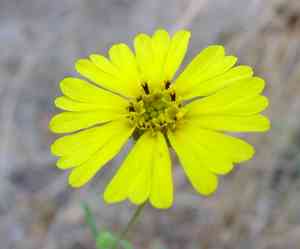
The most suitable period for relocating woodland monolopia spans from the beginning to the end of spring, since the temperate climate fosters root growth. Make certain to position it in a bright, adequately drained spot. Steer clear of water-saturated zones to avert root decay.
Essential Preparations Before Relocating Woodland Monolopia
Optimal Period for Moving Woodland Monolopia?
Woodland monolopia, an annual, is best moved during the lively period from early to late spring. Relocating it then, as the soil warms and frost risks decrease, ensures strong growth and resilience. The favorable conditions of this season promote root development and blooming, boosting the plant's survival and vigor.
Required Spacing Between Woodland Monolopia Plants?
When relocating woodland monolopia, ensure each plant is positioned approximately 6-12 inches (15-30 cm) apart. This provides sufficient room for development and proper air circulation, helping the plants remain healthy and flourish.
Ideal Soil Blend for Woodland Monolopia Relocation?
For woodland monolopia, utilize well-drained soil rich in organic matter. Incorporate a balanced, all-purpose fertilizer into the soil before transplanting to provide the plants with a nutrient boost. Aim for soil pH levels between 6.0 and 7.0.
Where to Replant Your Woodland Monolopia?
Relocate woodland monolopia to a spot that receives full sun for at least 6 hours daily. Woodland monolopia thrives in sunny locations, which aids in strong growth and beautiful blooms.
Equipment Needed Before Relocating Woodland Monolopia?
Gardening Gloves
To safeguard your hands while handling soil and plants.
Small Spade or Trowel
For excavating around the plant and lifting it from the ground or container.
Watering Can or Hose
To hydrate the plant before and after its relocation.
Garden Fork
Assists in loosening the soil and digging around the root ball.
Wheelbarrow
Useful for moving plants and soil efficiently.
Mulch
To cover the ground around the plant post-transplantation.
Stakes and Ties
To offer support to the plant if necessary.
How to Extract Woodland Monolopia from the Soil?
How to Extract Woodland Monolopia from the Soil?
From Ground: First, moisten the woodland monolopia plant to dampen the soil. Then, excavate a wide trench around the plant using a small spade or trowel, ensuring the plant's root ball stays intact. Carefully work the spade beneath the root ball to lift the plant from its original spot.From Pot: Thoroughly water the woodland monolopia plant. Gently turn the pot on its side and tap the base to loosen the plant. Hold the plant at its base and carefully slide it out of the pot, taking care not to harm the roots. You might need to gently loosen the root ball if it's pot-bound.From Seedling Tray: Water the seedlings thoroughly. Use a small spade or fork to gently lift each woodland monolopia plant from the tray, ensuring you retain as much of the root system as possible. Be gentle to avoid damaging the delicate roots.
Step-by-Step Guide for Relocating Woodland Monolopia
Site Preparation
Clear the chosen area of any weeds and debris. Dig a hole slightly larger than the root ball of your woodland monolopia.
Digging the Hole
Ensure the hole is deep enough so the top of the root ball is level with the surrounding soil.
Placing the Plant
Carefully position the woodland monolopia in the hole, spreading out its roots and ensuring it stands upright. Fill the hole with soil, gently firming it around the plant's base.
Watering
Thoroughly water the plant to settle the soil and remove air pockets around the roots.
Applying Mulch
Spread a layer of mulch around the base of the woodland monolopia to help retain moisture and control weeds.
Support (If Needed)
If the woodland monolopia plant requires support, use stakes and ties to keep it upright until it establishes itself.
Post-Transplantation Care for Woodland Monolopia
Watering
Keep the soil around the woodland monolopia consistently moist, but not waterlogged, for the initial weeks after transplanting to aid in strong root development.
Monitoring
Regularly inspect the plant for indications of stress, such as wilting or yellowing leaves, and adjust care as necessary.
Weed Control
Maintain the area around the woodland monolopia free of weeds to lessen competition for nutrients and water.
Mulching
Sustain the mulch layer to assist with moisture retention and temperature regulation of the soil.
Fertilizing
Once the woodland monolopia is established, consider applying a balanced, slow-release fertilizer to encourage healthy growth.
Resolving Common Issues with Woodland Monolopia Relocation.
When is the optimal time to move woodland monolopia?
Relocate woodland monolopia from early spring to late spring for best growth and establishment.
What is the recommended spacing for woodland monolopia?
Position woodland monolopia plants 6-12 inches (15-30 cm) apart to allow ample growth space.
Which soil type is ideal for woodland monolopia?
Woodland monolopia prefers well-draining soil with organic matter. Avoid heavy clay or compacted soils.
How do I prepare woodland monolopia for relocation?
Harden off woodland monolopia by gradually exposing it to outdoor conditions over a week.
What depth should I plant woodland monolopia?
Plant woodland monolopia at the same depth it was growing in its original container.
How frequently should I water woodland monolopia after relocation?
Water woodland monolopia regularly but ensure the soil is not waterlogged. Keep it consistently moist.
Should I add fertilizer when relocating woodland monolopia?
Incorporate a balanced, slow-release fertilizer into the soil during transplanting for better growth.
How should I handle woodland monolopia's roots during relocation?
Gently untangle and spread the roots of woodland monolopia when placing it in the new location.
What if woodland monolopia shows signs of transplant shock?
Provide shade, keep the soil moist, and avoid fertilizing until woodland monolopia recovers fully.
Is mulching beneficial for relocated woodland monolopia?
Applying mulch around woodland monolopia helps retain moisture, regulate temperature, and suppress weeds.



