How to Transplant Heartshape false pickerelweed?
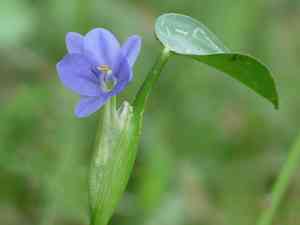
For heartshape false pickerelweed, the optimal period for relocation spans from the onset of early spring to the flourishing vigor of late spring, as moderate temperatures facilitate root development. Select a location featuring damp, fertile earth, and bear in mind that attentive post-transplant nurturing guarantees vigorous proliferation.
Preparations Required Before Relocating Heartshape False Pickerelweed
Optimal Period for Transplanting Heartshape False Pickerelweed?
The best time to move heartshape false pickerelweed is from the onset of spring to its peak. This timing allows the roots of heartshape false pickerelweed sufficient opportunity to settle into the mild, damp soil of the early growing season before summer's heat arrives. Shifting heartshape false pickerelweed during this phase leverages nature's cycle of rejuvenation and development, giving heartshape false pickerelweed the best chance to flourish. Additionally, the increasing daylight hours offer ideal sun exposure for heartshape false pickerelweed to thrive post-relocation. It's not merely about planting; it's about providing heartshape false pickerelweed a nurturing head start in its new environment!
Recommended Spacing Between Heartshape False Pickerelweed Plants?
Hello, aspiring gardener! For your lovely heartshape false pickerelweed, you'll want to provide each plant ample room to grow. Aim for a distance of approximately 6-12 inches (15-30 cm) between them. This will ensure your heartshape false pickerelweeds have the necessary space to thrive!
Ideal Soil Blend for Heartshape False Pickerelweed Transplanting?
To give your heartshape false pickerelweeds the best start, prepare a rich, loamy soil mixture with a generous amount of compost. This creates a comfortable bed filled with all the nutrients your plants desire. A balanced, slow-release fertilizer will provide an extra boost for them to settle in contentedly.
Optimal Location for Relocating Your Heartshape False Pickerelweed?
Sunlight is a great ally for heartshape false pickerelweed, so choose a bright spot where gentle rays can reach your plants for at least part of the day. Partial sun or filtered shade will make your heartshape false pickerelweeds radiate with happiness!
Equipment to Prepare Before Transplanting Heartshape False Pickerelweed
Gardening Gloves
To safeguard your hands while handling soil and plants.
Trowel or Spade
For digging and moving earth.
Watering Can or Hose
To hydrate the plant before and after its relocation.
Pruners or Scissors
To trim any dead or excess foliage.
Measuring Tape
To ensure correct spacing between plants.
Wheelbarrow or Garden Cart
To transport the plant and soil if needed.
Method for Extracting Heartshape False Pickerelweed from the Soil?
Method for Extracting Heartshape False Pickerelweed from the Soil?
From Ground: Moisten the heartshape false pickerelweed plant to soften the earth. Dig a wide circle around the plant with a spade, keeping the root ball intact. Gently work the tool beneath to lift it out.From Pot: Water the heartshape false pickerelweed, and place your hand at the plant's base. Turn the pot sideways and tap it to loosen the soil. Carefully slide the plant out while supporting its stems and root ball.From Seedling Tray: Water the seedlings. Use a trowel or spoon to scoop around the seedling, lifting it with the soil clump to keep the roots intact.
Step-by-Step Guide for Transplanting Heartshape False Pickerelweed
Prepare the New Site
Excavate a hole that is twice the width and equal to the depth of the heartshape false pickerelweed's root ball.
Inspect the Roots
Examine the heartshape false pickerelweed's roots. If they are tightly coiled, gently separate them to encourage outward growth.
Placement
Position the heartshape false pickerelweed in the center of the hole. The top of the root ball should be level with the surrounding soil surface.
Backfill the Hole
Carefully refill the area around the root ball with soil. Gently press down the soil to eliminate air pockets without over-compacting it.
Water Thoroughly
Water the heartshape false pickerelweed immediately after planting to settle the soil and provide moisture for the roots.
Mulch
Apply a layer of mulch around the base of the heartshape false pickerelweed to help retain moisture and deter weed growth. Ensure the mulch does not touch the plant's stems.
Post-Transplanting Care for Heartshape False Pickerelweed
Monitoring
Observe the heartshape false pickerelweed for indications of stress such as wilting or discolored leaves, and adjust care as necessary.
Watering
Maintain consistent soil moisture, but avoid waterlogging. Water deeply to encourage downward root growth.
Support
If the heartshape false pickerelweed is tall or tends to droop, provide a stake or trellis for support.
Pruning
Remove any dead or damaged foliage to promote healthy growth and reduce disease risk.
Weed Control
Regularly clear weeds from around the heartshape false pickerelweed to minimize competition for nutrients and water.
Addressing Common Issues with Heartshape False Pickerelweed Transplantation.
When is the best time to transplant heartshape false pickerelweed?
Aim for mild days in early to late spring for transplanting heartshape false pickerelweed for optimal root establishment.
How far apart should heartshape false pickerelweed be spaced when transplanting?
Allow heartshape false pickerelweed ample room to thrive by spacing them 6-12 inches (15-30 cm) apart.
What soil conditions favor heartshape false pickerelweed after transplanting?
Transplanted heartshape false pickerelweed flourishes in moist, well-draining soil rich in organic matter.
How do I water heartshape false pickerelweed post-transplant?
Provide consistent moisture without waterlogging by gently watering heartshape false pickerelweed at its base.
What should I do if heartshape false pickerelweed wilts after transplanting?
Ensure sufficient water and shade for a few days to help heartshape false pickerelweed recover from transplant shock.
Can I transplant heartshape false pickerelweed in partial shade?
Absolutely, heartshape false pickerelweed can adapt to sun or partial shade post-transplant, but avoid deep shade.
Is there a specific depth for planting heartshape false pickerelweed?
Plant heartshape false pickerelweed so that the root ball is level with the soil surface, to encourage healthy growth.
How to protect heartshape false pickerelweed from pests during transplanting?
Gently inspect and clean the roots of pests before planting, and consider a protective mulch layer.
Should I fertilize heartshape false pickerelweed after transplanting?
Wait a few weeks post-transplant before a gentle application of balanced, slow-release fertilizer.
What are signs of successful heartshape false pickerelweed transplant?
New growth and stable stems are good indicators that heartshape false pickerelweed is happily established post-transplant.



