How to Transplant Wild bergamot?
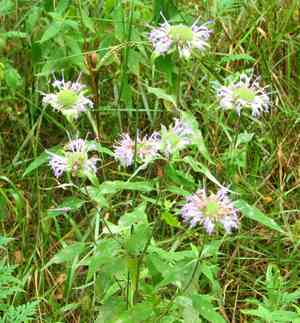
For relocating wild bergamot, the most favorable period is early spring, which facilitates superior root development. Select a site featuring adequately draining soil and exposure ranging from full sunlight to partial shade. Should it be necessary, provide the newly situated wild bergamot with additional attention, guaranteeing its thriving and the aesthetic appeal of your garden.
Essential Preparations Before Relocating Wild Bergamot
Optimal Timing for Wild Bergamot Relocation?
Early spring is the perfect time to move wild bergamot due to mild conditions. This promotes quick root establishment and minimizes plant stress. During this season, wild bergamot can fully benefit from the upcoming growth cycle, ensuring vibrant and healthy blooms.
Recommended Spacing Between Wild Bergamot Plants?
When moving your wild bergamot, ensure a separation of approximately 24-36 inches (61-91 cm). This provides each plant ample room for development and root expansion.
Best Soil Mixture for Wild Bergamot Transplanting?
For wild bergamot, ensure the soil is well-draining and rich in organic matter. Incorporate compost or aged manure to boost soil fertility. A balanced, slow-release fertilizer can also supply vital nutrients for optimal growth.
Where to Replant Your Wild Bergamot?
Select a site for your wild bergamot that gets full sun to partial shade, meaning at least 6 hours of daily sunlight. This will encourage robust growth and abundant flowering.
Tools Required for Wild Bergamot Transplantation
Gardening Gloves
Working with soil and plants can lead to minor injuries or cuts on your hands. Gardening gloves offer protection.
Trowel or shovel
You'll need a trowel or shovel for digging holes during the transplanting process. Ensure it's appropriately sized for your wild bergamot's root ball.
Watering Can
This is necessary for hydrating the plant during its removal and after the transplanting procedure.
Pruners
Trimming the plant and removing damaged roots is crucial for wild bergamot's health, for which pruners will be useful.
Spade
You might need one to slide under the root ball when lifting the wild bergamot from the ground.
Wheelbarrow or garden cart
To transport the wild bergamot plant and soil without causing damage.
Method for Extracting Wild Bergamot from the Soil
Method for Extracting Wild Bergamot from the Soil?
From Ground: First, thoroughly water the wild bergamot plant to loosen the surrounding soil. Using a trowel, dig a circular trench around the plant, deep and wide enough to encompass the entire root system. Secure your grip and slide a spade beneath the root ball. Gently lift the plant from the soil while supporting its base.From Pot: Water the plant thoroughly. Position your fingers on the soil surface with the stem between them. Invert the pot while supporting the wild bergamot at its base with your other hand. Tap the pot's rim on a surface like your potting bench to loosen it. Remove the pot, keeping the plant and root ball intact.From Seedling Tray: Moisten the planting medium. Carefully push the wild bergamot seedling from the bottom and hold it by its leaves, not the stem, to cleanly remove it from the tray.
Step-by-Step Guide for Transplanting Wild Bergamot
Preparation
Before you begin transplanting, ensure the hole you've dug is twice as wide and the same depth as the wild bergamot's root ball. Gently spread the roots within the hole, making sure they are not compressed.
Transplanting
Carefully place the wild bergamot plant into the hole and spread its roots. Begin filling the hole with soil gently to cover the roots. As you do this, ensure the wild bergamot plant remains upright.
Watering
Once the plant is in position, water it thoroughly to settle the soil and eliminate any air pockets.
Final Adjustment
If necessary, add more soil around the plant and press it down lightly to provide support for the wild bergamot.
Post-Transplant Care for Wild Bergamot
Watering
Consistent watering until wild bergamot is established is crucial, always keeping the soil just moist but not waterlogged.
Weeding
Ensure the area around the plant remains free of weeds, as they can compete with wild bergamot for essential nutrients and water.
Monitoring
Watch for any signs of transplant shock, such as wilting or yellowing leaves, and take immediate action, like providing light shade.
Pruning
Remove any dead or infested parts of the plant; this will help wild bergamot direct its energy towards new growth.
Addressing Common Wild Bergamot Transplantation Issues
When is the optimal time to transplant wild bergamot for best results?
Early spring is the ideal time. At this point, wild bergamot will have ample time to establish before the onset of hot summer days.
What is the recommended spacing between each wild bergamot plant?
Each wild bergamot will require a space of 24-36 inches (60-90 cm). This spacing allows for sufficient growth and reduces susceptibility to disease.
What should I do if wild bergamot's leaves turn yellow after transplanting?
Yellowing leaves may indicate overwatering or poor drainage. Adjust the watering frequency and ensure the soil drains properly.
How can I tell if my wild bergamot is getting enough sunlight?
Wild bergamot thrives in sun and needs a minimum of six hours of daily sunlight. Observe the plant closely. If it becomes leggy or weak, it might be lacking sunlight.
What is the ideal soil pH for my wild bergamot?
It requires well-drained, loamy soil with a pH between 6.0 and 7.0. Use a soil test kit to determine the pH and amend the soil if necessary.
How do I manage a wilted transplanted wild bergamot?
Wilting can signal watering problems or transplant shock. Allow it time to recover, maintain a consistent watering schedule, and avoid drastic temperature changes.
Can I transplant wild bergamot in fall?
While spring is preferable, you can also plant wild bergamot in the fall, but it might not establish as firmly or bloom as vigorously in the first year.
Why are my wild bergamot plants not flowering after transplant?
Ensure adequate sunlight and avoid excessive fertilization. High nitrogen fertilizer promotes foliage growth at the expense of flowers. Be patient; it may take time to bloom.
Why is my transplanted wild bergamot growing slowly?
Wild bergamot may need more time to adapt to its new environment. Ensure it receives sufficient sunlight, water, and nutrients. Also, protect it from pests.
How do I prevent pests from harming my newly transplanted wild bergamot?
Regularly inspect for signs of pests. Use organic, plant-safe pesticides or encourage beneficial insects. Proper spacing can also deter pest habitats.



