How to Transplant Gac?
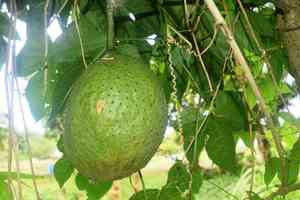
For gac, the ideal period for relocation extends from the beginning of spring's vitality to the end of spring's mildness, offering superb conditions for development. Choose a location that receives full sun to partial shade and possesses soil that drains effectively. Careful management of the root system during the move guarantees successful integration.
What Preparations are Needed Before Transplanting Gac?
What is the Ideal Time for Transplanting Gac?
Move your gac during the spring season, from its beginning to the early summer period. This timeframe offers moderate weather, promoting root development without the strain of extreme temperatures. Relocating your gac at this point allows it to benefit from spring's gentle rains and increasing daylight, encouraging robust growth and a smooth transition to its new spot. By selecting this optimal season, you'll provide your gac with the best possible start!
How Much Space Should You Leave Between Gac Plants?
When planning to transplant your gac, ensure ample room for each plant to grow. A distance of 4-6 feet (1.2-1.8 meters) between each plant will be perfectly adequate!
What is the Best Soil Mix for Gac Transplanting?
Before relocating your gac, incorporate rich, well-draining soil with abundant organic material like compost. Add a balanced slow-release fertilizer to give your gac an excellent start!
Where Should You Relocate Your Gac?
Select a sunny location that receives at least 6-8 hours of direct sunlight daily for your gac's new home. This will help your gac absorb the energy it requires to flourish!
What Equipments Should You Prepare Before Transplantation Gac?
Gardening Gloves
To safeguard your hands while handling soil and plants.
Shovel or Spade
For digging and moving earth during the relocation process.
Watering Can or Hose
To irrigate the gac plant before and after the transplanting procedure.
Gardening Trowel
For loosening and extracting soil around the roots, especially when moving from a pot or tray.
Pruning Shears
For trimming any damaged roots or leaves before transplantation.
Wheelbarrow or Planting Cart
To assist in transporting the gac plant and soil.
Stakes or Plant Supports
To help stabilize the gac plant once moved, if necessary.
How Do You Remove Gac from the Soil?
How Do You Remove Gac from the Soil?
From Ground: Water the gac thoroughly beforehand to facilitate soil removal. Dig a wide trench around the plant with a spade, taking care not to harm the root ball. Gently lift the plant, preserving as much of the root ball as possible.From a Pot: Water the gac to help the roots detach more easily. Turn the pot sideways and gently tap the sides and bottom to loosen the soil. Carefully slide the plant out, supporting the root ball with one hand.From Seedling Tray: Water the gac lightly before transplanting to keep the root mass intact. Use a gardening trowel or similar tool to gently lift the seedling along with its root ball from the tray cell.
Step-by-Step Guide for Transplanting Gac
Preparation
Before you begin, ensure all necessary tools are at hand and the new site for your gac is prepared.
Removal
Employ the method best suited for your gac's original location, following the removal process guidelines mentioned above.
Transport
Place the gac carefully in a wheelbarrow or planting cart, supporting the root ball gently to prevent damage while moving it to the new spot.
Planting Hole
Dig a hole at the new location that is twice the width of your gac's root ball, but no deeper than the plant was growing in its previous spot.
Positioning
Carefully place the gac into the hole, ensuring it sits at the same depth as it was before. The top of the root ball should be level with the surrounding ground.
Filling
Gently backfill the hole, firming the soil around your gac's root ball to eliminate air pockets. Do not compact the soil excessively, as this could harm the roots.
Stabilizing
If the gac is tall or top-heavy, insert stakes around the plant and loosely tie them to the plant's stem with soft plant ties for support.
How Do You Care For Gac After Transplanting?
Watering
Immediately after transplanting, give your gac a thorough watering to help settle the soil and provide moisture for the roots. Maintain consistent moisture levels as the plant establishes itself.
Mulching
Apply a layer of organic mulch around the base of your gac to help retain soil moisture and regulate soil temperature.
Protection
If severe weather conditions like strong winds or heavy rainfall are anticipated, provide temporary shields or covers to protect your gac.
Monitoring
Keep a close watch on your gac for signs of stress or disease. Early detection can be crucial for addressing any issues promptly.
Gentle Care
Avoid aggressive pruning or fertilization right after transplanting to allow your gac to focus on root establishment.
Troubleshooting Common Issues with Gac Transplantation.
When is the best time to transplant gac?
Move gac during early to late spring, when the weather is mild and consistent.
How far apart should gac plants be spaced?
Allow gac ample room to flourish by spacing them 4-6 feet (1.2-1.8 meters) apart.
What soil conditions favor gac after transplanting?
Ensure well-draining soil rich in organic matter for gac to establish successfully.
How much sunlight does gac need post-transplant?
Gac thrives in sunlight! Choose a location with full to partial sun exposure.
What is the ideal depth for transplanting gac?
Dig a hole twice the width and the same depth as the root ball of gac.
How do I water gac after transplanting?
Water gac generously immediately after transplanting and then maintain moist, but not waterlogged, soil.
Can gac be transplanted in containers?
Certainly, use a large container with drainage and transplant gac following similar outdoor guidelines.
What signs indicate transplant shock in gac?
Wilting, yellowing, or dropping leaves may indicate gac is experiencing transplant shock.
How do I protect transplanted gac from pests?
Inspect regularly, use organic pest control methods, and ensure proper plant spacing for gac.
Should I fertilize gac after transplanting?
Wait a few weeks before feeding gac to prevent root burn; use a balanced fertilizer.



