How to Transplant Bitter melon?
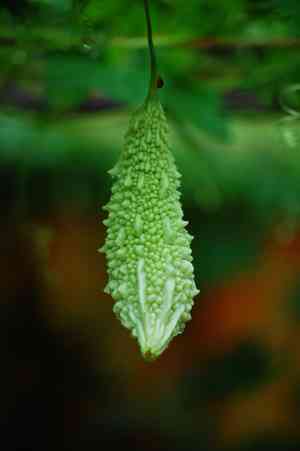
The ideal period for relocating bitter melon is from early to mid-spring, when climatic conditions are temperate and favorable. Select a sun-drenched spot for peak development, and verify that the earth drains effectively. Provide bitter melon with attentive nurturing throughout this crucial phase of its existence!
What Preparations are Needed Before Transplanting Bitter Melon?
What is the Ideal Time for Transplanting Bitter Melon?
The optimal period to move bitter melon is from early to mid-spring. This season provides ideal growing conditions due to rising temperatures. Relocating bitter melon during this time promotes robust growth and a healthy, abundant yield. So, prepare for that moment to cultivate bitter melon perfectly from its start. Remember, current effort yields future rewards.
How Much Space Should You Leave Between Bitter Melon Plants?
When relocating bitter melon, ensure each plant is spaced approximately 6-8 feet (1.8-2.4 meters) apart. This provides ample room for your bitter melon to develop and flourish without competing for nutrients or sunlight.
What is the Best Soil Mix for Bitter Melon Transplanting?
To ready the soil for bitter melon, select a well-draining type, such as loamy soil, and incorporate organic matter like compost or aged manure as a foundational fertilizer. This will supply essential nutrients and encourage healthy development.
Where Should You Relocate Your Bitter Melon?
Select a sunny spot for your bitter melon, as it thrives with ample sunlight. Ideally, the new location should receive at least 6-8 hours of direct sunlight daily. Also, ensure it's shielded from strong winds and frost.
What Equipments Should You Prepare Before Transplantation Bitter Melon?
Trowel
A small hand tool useful for digging and scooping when extracting the seedling from its initial spot and creating a hole in the new planting site.
Gardening Gloves
To safeguard your hands while handling soil and plants.
Watering Can
Will be utilized to hydrate the plant throughout the relocation process.
Mini Pruning Shears
To trim off any unhealthy or overgrown parts of the plant before moving it.
Gardening Fork
To loosen the soil around the plant in its original position, making removal easier.
How Do You Remove Bitter Melon from the Soil?
How Do You Remove Bitter Melon from the Soil?
From Ground: If your bitter melon originated from the ground, begin by watering the soil to make it softer and easier to manage. Then, using the gardening fork, gently work your way around the plant, loosening the soil as you proceed. Ensure a generous space around the main stem to protect the root system. Dig beneath the plant with the trowel, gradually deepening all around, and lift with care to preserve as much of the root system as possible.From Pot: If your bitter melon is in a pot, water the soil first to aid in the removal process. Invert the pot and gently tap to slowly slide the plant out. If the plant is deeply rooted and won't budge, use mini pruning shears to cut the pot away, being careful not to harm the roots.From Seedling Tray: When moving bitter melon from a seedling tray, start by watering the tray. Invert the tray over one hand while holding it securely, tap the bottom gently to guide the seedlings out. Then remove each seedling individually without disturbing the others.
Step-by-Step Guide for Transplanting Bitter Melon
Initial Preparation
Water your bitter melon thoroughly a day before transplanting; this helps reduce root shock. Also, water the intended transplant location to prepare the soil.
Plant Removal
Follow the procedure above based on the plant's original location.
Hole Preparation
Dig a hole at the new site twice as wide as the bitter melon's root ball using the trowel.
Placement
Position your bitter melon in the center of the hole, ensuring roots are spread out and the top of the root ball is level with the ground surface.
Backfilling
Gently refill the hole with soil, firming it lightly as you go to prevent air pockets.
Watering
Once the plant is secure, water generously to help it adapt to its new surroundings.
How Do You Care For Bitter Melon After Transplanting?
Initial Care
Ensure to water your bitter melon generously immediately after transplanting and consistently over the next two weeks to establish a strong root system.
Regular Check
Monitor your bitter melon regularly for signs of disease or pest infestation; undue stress can hinder establishment in the new spot.
Temperature
Bitter melon requires warm temperatures; shield it from unseasonal or unexpected frost.
Going Easy on Fertilizer
Avoid heavy feeding for 2-3 weeks post-transplant, allowing the plant to prioritize root development in the new location.
Troubleshooting Common Issues with Bitter Melon Transplantation.
When is the best time to transplant bitter melon?
The optimal period to relocate bitter melon is between early to mid-spring.
Whatâs the recommended distance to leave between each bitter melon when transplanting?
For optimal growth, position each bitter melon approximately 6-8 feet (1.8-2.4 meters) apart from one another.
What soil conditions are ideal for transplantation of bitter melon?
Bitter melon thrives in well-draining soil. It can tolerate slightly rich to poor soils but struggles in heavy clay soil.
How much water does bitter melon require after being transplanted?
Once moved, water bitter melon thoroughly but not excessively. Overwatering can harm the plant. Its soil should only just remain moist.
Do I need to adjust the bitter melon position after transplanting?
Bitter melon needs full sun for optimal growth. Be sure to transplant it where it will receive 6-8 hours of direct sunlight daily.
What kind of care does bitter melon need post-transplant?
Bitter melon requires minimal care. Consistent watering, adequate sunlight, and occasional application of a balanced fertilizer should suffice.
How deep should the transplanting hole be for bitter melon?
The hole for transplanting bitter melon should be about twice the size of its root ball, promoting easier establishment and growth.
Is it necessary to stake bitter melon after transplanting?
It's beneficial to provide bitter melon with a support structure, such as a stake or trellis, as it's a climbing vine and needs support for better growth.
What should I do if the transplanted bitter melon shows wilted leaves?
Wilted leaves might indicate insufficient watering, excessive sun exposure, or potential root damage during transplanting. Adjust conditions as needed and observe closely.
What if the leaves of bitter melon turn yellow after transplantation?
Yellowing could signal overwatering or a nutrient deficiency. Reduce watering and consider applying a balanced fertilizer.



