How to Transplant Partridge berry?
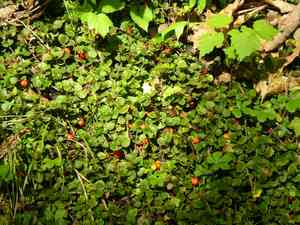
For best results, partridge berry flourishes when moved in the latter, warmer part of summer, which minimizes stress and encourages robust development. Choose a location with partial shade and fertile earth, then keep the soil damp after transplanting to ensure successful rooting.
Necessary Preparations Before Moving Partridge Berry
Optimal Timing for Relocating Partridge Berry?
Moving partridge berry during mid-summer or late season guarantees strong root development before cold weather arrives. This period leverages warm soil to encourage growth and allows the plant to adapt prior to winter. A timely relocation can enhance partridge berry's resilience, leading to a vibrant display next spring.
Required Spacing Between Partridge Berry Plants?
Allow your partridge berry ample room to expand. Position each plant approximately 6 inches (15 cm) apart. This provides sufficient space for growth while enabling the plants to form an attractive ground cover.
Ideal Soil Mixture for Partridge Berry Relocation?
Give your partridge berry a strong start with soil that drains well. A peat-based potting mix should work perfectly. Remember to incorporate a slow-release fertilizer into the soil during transplanting for an added nutrient boost.
Where to Replant Your Partridge Berry?
Your partridge berry prefers some shade. Select a garden spot that avoids direct, intense sunlight but receives filtered light. It will flourish wonderfully there.
Equipment Needed Before Transplanting Partridge Berry
Gardening Gloves
To safeguard your hands while handling soil and partridge berry.
Shovels or Trowels
For digging the required holes and carefully extracting the partridge berry from its initial spot without harming the root ball.
Garden Pruners or Scissors
To trim any damaged roots before moving the partridge berry.
A Wheelbarrow or bucket
A useful tool for moving the partridge berry from its original location to the new transplant site.
Watering Can or Hose
Essential for hydrating the partridge berry after its relocation.
Mulch
Helps maintain soil moisture after partridge berry has been replanted.
How to Extract Partridge Berry from the Ground?
How to Extract Partridge Berry from the Ground?
From Ground: Begin by moistening the partridge berry to soften the soil, simplifying the removal process and reducing plant stress. Using a spade or trowel, dig a wide circle around the plant, ensuring the root ball remains intact. Be careful not to dig too close to the partridge berry to avoid cutting or damaging roots. Once the soil is sufficiently loosened, gently lift the plant from the ground, preserving as much of the root ball as possible.From Pot: Again, water the plant before starting. If the partridge berry doesn't come out easily, you might need to tilt the pot sideways and gently tap the bottom to loosen the root ball. Once loose, carefully slide the plant out.From Seedling Tray: Fill each cell with damp compost. Place the partridge berry seed on the soil surface. Lightly pat down the compost without compacting it too much. Cover the tray and keep it in a warm area until the seedlings emerge.
Detailed Steps for Transplanting Partridge Berry
Preparation
Clear any debris or unwanted plants from your chosen transplant location.
Digging
Excavate a hole where you plan to replant the partridge berry. Ensure the hole is wide and deep enough to comfortably accommodate the plant's root ball.
Placing the Plant
Position the plant in the hole. The top of the root ball should be level with the soil surface.
Fill in the Hole
Backfill the hole with the soil previously removed. Gently firm the soil around the partridge berry, but avoid compacting it too tightly.
Watering
Water the plant generously to aid in recovery from transplant shock.
Post-Transplant Care for Partridge Berry
Watering
Keep the soil around the partridge berry consistently moist, but ensure it's not waterlogged.
Trimming
If any foliage or branches were damaged during the process, prune them to encourage new growth.
Monitor
Observe the partridge berry for several weeks after transplant. If it appears to be struggling, it might require more water or perhaps additional shade during the hottest parts of the day.
Resolving Common Issues with Partridge Berry Transplantation.
When is the best time to transplant partridge berry?
The optimal period to move partridge berry is during S5-S6, which corresponds to late spring through early summer.
Are there specific spacing recommendations for planting partridge berry?
Yes, each partridge berry plant should be spaced approximately 6 inches (15 cm) apart from others when planting.
What if partridge berry doesn't seem to thrive after transplanting?
Ensure partridge berry receives adequate but not excessive sunlight, keep the soil moist, and verify the water drainage system is effective.
What type of soil is most suitable for transplanting partridge berry?
Partridge berry flourishes in nutrient-rich, organic, and well-drained soil. The soil should be loose and rich in organic matter.
If partridge berry leaves turn yellow after transplanting, what could be the cause?
Yellow leaves might indicate overwatering. Confirm you are providing the correct amount of water and that drainage is good.
I've transplanted partridge berry and some leaves are wilting. What should I do?
Wilting can signal transplant stress. Maintain proper watering and consider using a root stimulator to promote better growth.
How deep should the hole be dug for transplanting partridge berry?
The hole should be twice the width of the root ball and of equal depth. This allows the roots to spread comfortably.
Is it necessary to water partridge berry immediately after transplanting?
Yes, you should water partridge berry right after transplanting. This helps settle the soil and reduces the plant's transplant shock.
Can I fertilize partridge berry immediately after transplanting?
You should wait a few weeks before fertilizing partridge berry after transplant. This allows the plant to adjust to its new environment.
Can partridge berry be transplanted in any season?
Late spring to early summer is the best time for relocating partridge berry. Transplanting in unsuitable seasons can decrease survival rates.



