How to Transplant Shame plant?
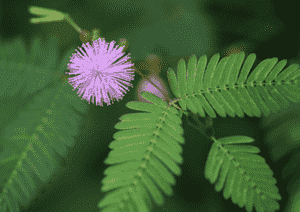
For optimal development of shame plant, relocate it during the ideal period spanning from late spring through mid-autumn. Select a site featuring soil that drains effectively and receives partial to complete sun exposure. Handle the fragile root system with care during the transfer, to achieve a flourishing shame plant!
What Preparations are Needed Before Transplanting Shame Plant?
What is the Ideal Time for Transplanting Shame Plant?
The optimal period for relocating shame plant is the pleasant transition from late spring to mid-fall. This timeframe offers abundant sunlight and warmth, significantly boosting the plant's development. Moving shame plant during this prime window can provide substantial advantages, such as improved survival rates, vigorous growth, and robust health. Remember to proceed carefully with your shame plant; the initial preparation plays a crucial role in ensuring a thriving plant.
How Much Space Should You Leave Between Shame Plant Plants?
For transplanting shame plant, we recommend a spacing of approximately 6-12 inches (15-30 cm) between them to allow sufficient room for comfortable growth and expansion.
What is the Best Soil Mix for Shame Plant Transplanting?
When preparing the soil for shame plant, aim for a well-draining mixture, enriched with organic matter or compost. It's beneficial to incorporate a balanced, slow-release fertilizer into the planting area.
Where Should You Relocate Your Shame Plant?
Select a transplanting site for shame plant that receives ample sunlight – at least 6-8 hours of direct sun daily. This will ensure optimal growth and vitality for your shame plant plants.
What Equipments Should You Prepare Before Transplantation Shame Plant?
Gardening Gloves
To safeguard your hands while handling soil and shame plant.
Trowel
For digging small holes and moving minor plants.
Garden Fork or Spade
To lift larger plants and cultivate the soil.
Watering Can or Hose
To hydrate the shame plant before and after the relocation process.
Gardening Scissors
To trim any damaged or dead portions of the shame plant.
Bucket
To transport the plant from its original spot to the new one.
Mulch
To help retain moisture in the soil around the shame plant and supply additional nutrients.
How Do You Remove Shame Plant from the Soil?
How Do You Remove Shame Plant from the Soil?
From Ground: Begin by watering the shame plant to soften the soil. Using a garden fork or spade, dig around the plant, ensuring a generous radius to avoid root damage. Work the tool beneath the root ball and carefully lift the shame plant from its initial location. From Pot: Water the shame plant. Invert the pot and gently tap its bottom to release the plant. Be sure to support the plant by its root ball, not its stems or leaves. Seedling Tray: Water the seedlings thoroughly. Hold the shame plant by its leaves (never the stem) and gently push the base of the seedling cell to extract it. If it resists, use a tool like a pencil through the drain hole to push it out.
Step-by-Step Guide for Transplanting Shame Plant
Hole Preparation
Excavate a hole twice the width and equal to the depth of the plant's root ball. Loosen the soil at the bottom of the hole with a trowel or fork.
Placement
Position the shame plant in the center of the hole. The top of the root ball should be flush with or slightly above the surrounding soil to account for settling.
Backfill
Gently refill the hole, firming the soil around the shame plant. Avoid pressing too hard, as this can compact the soil and hinder root growth.
Watering
Thoroughly water the shame plant after transplanting. Prevent wetting its leaves, as this can promote fungal growth.
Mulching
Apply a 2 to 3-inch layer of mulch around the shame plant, but keep it a few inches away from the stem to prevent rot.
How Do You Care For Shame Plant After Transplanting?
Watering
Continue to water shame plant deeply after transplanting to encourage root development. Allow the top layer of soil to dry out between watering sessions.
Pruning
Trim off any damaged or diseased parts of the shame plant after transplanting to direct the plant's energy towards root establishment. Regular pruning can also foster a bushier habit.
Monitoring
Watch for signs of transplant shock in the shame plant, such as wilting, yellowing, or dropping leaves. Reduce sunlight exposure and increase watering if these symptoms appear, and consider contacting a local extension service for further guidance.
Troubleshooting Common Issues with Shame Plant Transplantation.
When is the best time to transplant shame plant?
The ideal period to move shame plant is late spring to mid-fall. These milder seasons allow the plant to establish roots without excessively harsh or cold conditions.
What should be the ideal spacing during shame plant transplanting?
Ensure to maintain an adequate distance of 6-12 in (15-30 cm) between each shame plant to provide them with ample room to grow and thrive.
How can I ensure my shame plant remain healthy during transplants?
Minimize root disturbance during transplanting. Keep the root-ball intact and keep it moist regularly. A healthy root system is crucial for the recovery of shame plant after transplant.
Why is my shame plant wilting after transplanting?
Shame plant often wilts due to transplant shock. Make sure to water it sufficiently and allow it time to recover. This is a common occurrence and should resolve itself within a week.
Should I utilize fertilizer after transplanting shame plant?
Yes, you can lightly apply a balanced slow-release fertilizer but ensure not to over-fertilize as it can lead to burning and potentially harm the shame plant.
Can I transplant shame plant in pots?
Absolutely, shame plant can be transplanted into pots. Just ensure the pot is large enough to accommodate the roots and has adequate drainage holes.
What type of soil does shame plant prefer for transplanting?
Shame plant prefers light and well-drained soil. Avoid using clayey or compact soil as it can hinder root expansion and lead to waterlogging.
How much sunlight does shame plant need after transplantation?
Shame plant thrives in bright, indirect light. After transplantation, gradually expose it to its preferred lighting conditions to prevent shocking the plant.
How can I reduce the transplantation shock in shame plant?
To lessen transplantation shock, avoid moving shame plant during extremely hot or cold temperatures. Always keep the root-ball moist and provide ample shade initially.
How frequently should we water the transplanted shame plant?
Immediately after transplant, ensure shame plant has sufficient moisture. Afterward, water moderately based on the weather. Over-watering or under-watering can stress the plant, so maintain a healthy balance.



