How to Transplant Common ice plant?
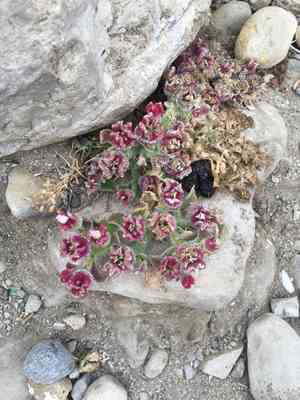
For common ice plant, the ideal period for relocation is from mid-spring to early summer, capitalizing on robust development. Select sunny, adequately draining spots. Careful management of the root system will facilitate a smooth adjustment to their new environment.
What Preparations are Needed Before Transplanting Common Ice Plant?
What is the Ideal Time for Transplanting Common Ice Plant?
The optimal period for relocating common ice plant to your garden is from mid to late spring. This window, as spring transitions into early summer, is perfect because it allows common ice plant ample time to establish its root system before the intense summer heat arrives. By moving common ice plant during this mild weather, you provide it with the ideal combination of rising temperatures and longer days, crucial for successful adaptation. Such a well-timed move not only supports the plant's growth potential but also boosts its resilience against the summer's peak. Your plant can then flourish in harmony with the season's rhythm, making the timing both practical and naturally aligned. So, as the spring air warms, recognize it as your signal to welcome common ice plant into its new home with enthusiasm and a prepared garden.
How Much Space Should You Leave Between Common Ice Plant Plants?
When preparing to move your common ice plant, aim for a spacing of about 1-2 feet (30-60 cm) between each plant. This ensures they have sufficient room to grow and spread without excessive competition for nutrients and water. Happy transplanting!
What is the Best Soil Mix for Common Ice Plant Transplanting?
Your common ice plant will thrive best in sandy or gritty soil that drains well. Before planting, incorporate some slow-release granular fertilizer into the soil. This prepares your garden and helps your plant get a strong start. Simple and effective!
Where Should You Relocate Your Common Ice Plant?
For optimal growth, place your common ice plant in a sunny spot, as this plant loves full sun exposure. However, it can also tolerate partial shade. Choose a location that receives at least 6 hours of direct sunlight daily, and you'll be fine. Good luck!
What Equipments Should You Prepare Before Transplantation Common Ice Plant?
Gardening Gloves
Essential for protecting your hands from the sharp foliage of common ice plant and when handling soil and tools.
Garden Trowel or Shovel
Required for excavating holes in the ground at both the original and new sites for common ice plant.
Garden Pruning Shears
These will be necessary if you need to trim the roots or stems of common ice plant during the transplanting process.
Watering Can
Will be used to hydrate common ice plant both before and after its relocation.
Wheelbarrow or Plant Pot
For safely moving common ice plant from its initial spot to its new home with minimal damage.
How Do You Remove Common Ice Plant from the Soil?
How Do You Remove Common Ice Plant from the Soil?
From Ground: Water your common ice plant a day prior to the planned move to make the soil easier to work with and reduce plant stress. Wearing gardening gloves, use a garden trowel or shovel to dig up the common ice plant, ensuring the root ball remains intact. Begin digging a good distance from the base of common ice plant to avoid root damage, gradually moving closer while assessing root depth and spread.From Pot: First, water your common ice plant if the potting mix is dry. Then, gently tilt the pot sideways, supporting common ice plant with your other hand. The common ice plant should slide out with the soil. If it doesn't, you can tap the pot's bottom or carefully run a knife along the pot's inner edge to loosen the soil and root ball.From Seedling Tray: Water your common ice plant seedling tray, then with one hand, reach under the tray and gently push up the cell containing your common ice plant. With your other hand, catch the common ice plant seedling as it emerges from the cell, being careful not to harm the delicate sprout or roots.
Step-by-Step Guide for Transplanting Common Ice Plant
Digging a Hole
Using your trowel or shovel, excavate a hole at the new planting location. Ensure the hole is twice as wide and the same depth as the common ice plant's root ball to provide ample space for root expansion and growth.
Preparing the Plant
Before transplanting, snip off any dead or decaying parts from common ice plant using your pruning shears. If roots are tightly coiled (root-bound), gently separate them so they can spread once planted.
Planting common ice plant
Position common ice plant in the center of the prepared hole so that the top of the root ball is level with the ground surface. Then, backfill the hole, ensuring no air pockets remain in the soil, but avoid compacting it too firmly as this could harm the roots.
Watering
Water the common ice plant generously immediately after transplanting. This helps settle the soil around the roots and aids the plant in establishing itself in its new spot.
How Do You Care For Common Ice Plant After Transplanting?
Careful Watering
For the initial few weeks post-transplant, keep the soil around common ice plant consistently moist but not waterlogged. This promotes the development of strong roots.
Monitoring Growth
Observe common ice plant for any signs of stress, such as wilting or yellowing leaves. If these appear, it might be due to excessive sun exposure or insufficient water.
Delay Fertilizing
Refrain from using fertilizers for several weeks after transplanting, as this can cause root burn and further stress common ice plant. When you do begin fertilizing, start with a half-strength solution, gradually increasing to full strength.
Troubleshooting Common Issues with Common Ice Plant Transplantation.
When is the best time to transplant common ice plant?
The ideal period to move common ice plant is during the second to fourth season of the year. This allows the roots to establish before extreme weather conditions occur.
How much space does common ice plant need when transplanting?
Ensure a gap of approximately 1-2 feet (30-60 cm) between each common ice plant to facilitate proper growth and development.
What type of soil is suitable for transplanting common ice plant?
Common ice plant prefers well-draining soil as it is adapted to drought conditions. Excessively wet soil can lead to root rot, so avoid overwatering.
How deep should I plant common ice plant when transplanting?
When transplanting, dig a hole deep enough for common ice plant so that the root ball sits level with or slightly below the soil surface.
Why is my transplanted common ice plant wilting?
Wilting after transplanting is common. However, if it persists, it could be due to shock, overwatering, or inadequate light. Consistent watering and sufficient sunlight should help.
Can I transplant common ice plant in a container?
Absolutely! Ensure the container is deep enough for root development, around 10 inches (25 cm), and has drainage holes to prevent waterlogging.
How can I mitigate stress for common ice plant during transplantation?
Water common ice plant thoroughly before and after transplanting. Also, try to transplant on an overcast day to prevent immediate sun exposure which can cause stress.
Why are the leaves of my common ice plant turning yellow after transplantation?
Yellowing leaves might indicate overwatering or poor drainage. Make sure your common ice plant isn't waterlogged and is receiving enough sunlight. Adjust your watering routine if necessary.
Can common ice plant be propagated while transplanting?
Certainly, during transplanting, snip off a leaf and plant it. Common ice plant propagates well from leaf cuttings. Simply place it in well-draining soil, and it will root over time.
What care should I provide to transplanted common ice plant?
Provide common ice plant with regular watering, ample light, and protection from extreme temperatures. Also, ensure it has adequate spacing, around 1-2 feet (30-60 cm), for optimal development.



