How to Transplant Buck-bean?
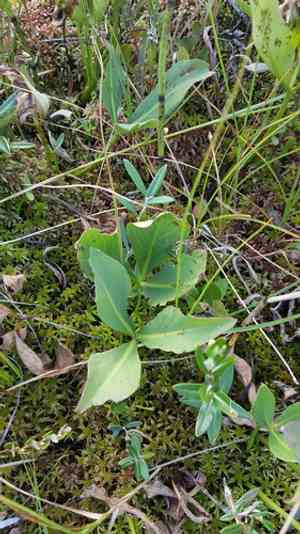
The most favorable period for transplanting buck-bean is in the vigorous growth phase of mid to late spring, selecting a damp, partly shaded location. This interval provides buck-bean with the warmth and extending daylight hours essential for strong root development.
What Preparations are Needed Before Transplanting Buck-bean?
What is the Ideal Time for Transplanting Buck-bean?
The optimal period to relocate buck-bean is during the core of spring. This timeframe, spanning from mid to late spring, provides your buck-bean with the gentle warmth and increasing daylight necessary for vigorous development. Moving buck-bean in this season ensures its roots can establish themselves while the soil is damp and the weather is favorable, setting the stage for a flourishing display.
How Much Space Should You Leave Between Buck-bean Plants?
Firstly, avoid overcrowding your buck-bean plants! For them to flourish, ensure they have ample room. A good guideline is to allow 2-3 feet (0.6-0.9 meters) between each plant. This way, they'll have sufficient space to grow unimpeded.
What is the Best Soil Mix for Buck-bean Transplanting?
Next, let's prepare the soil. Buck-bean thrives in moist, peaty soil. Simply enrich your soil with a handful of compost or manure as a foundational fertilizer before transplanting. Make your buck-bean plant feel comfortable and well-nourished!
Where Should You Relocate Your Buck-bean?
Finally, select an appropriate location for your buck-bean. They prefer full sun to partial shade. Also, they favor a damp environment, so avoid areas where direct sunlight could quickly dry out the soil. Create a happy home for your plants!
What Equipments Should You Prepare Before Transplantation Buck-bean?
Gardening Gloves
To safeguard your hands while handling the soil and buck-bean.
Trowel or Spade
To assist you in removing buck-bean from its original spot without harming its root ball.
Garden Fork
To prepare the new planting hole in the ground where buck-bean will be moved.
Garden Hose or Watering Can
To hydrate buck-bean before and after the relocation.
Organic Mulch
This will aid in maintaining the moisture levels of the soil around buck-bean once it has been replanted.
How Do You Remove Buck-bean from the Soil?
How Do You Remove Buck-bean from the Soil?
From Ground: Initiate the process by watering buck-bean to moisten the soil. Using a trowel or spade, excavate a wide trench around the plant, ensuring you do not damage the root ball. Gently insert the spade beneath the root ball to lift buck-bean from its current position.From Pot: Begin by watering the plant to dampen the soil. Carefully tilt the pot sideways and apply gentle pressure to the edges to release buck-bean. Hold the plant at its base as it slides out, supporting the root ball.From Seedling Tray: Water the seedlings initially. Use a plant marker or a small stick to gently pry the seedlings out, being careful not to touch or harm the stems. Hold them by their leaves and carefully separate their roots.
Step-by-Step Guide for Transplanting Buck-bean
Prep New Site
Begin by clearing any weeds or debris from the planting area. Work a garden fork into the ground to loosen it.
Digging a Hole
Excavate a hole that is twice as wide and the same depth as the root ball of buck-bean.
Placing the Plant
Position buck-bean in the center of the hole. Ensure the top of the root ball is level with the surrounding soil.
Backfilling
Refill the hole with the excavated soil. Gently firm it around the base of buck-bean.
Watering
Thoroughly water buck-bean. Allow the water to penetrate and then add more soil if necessary.
How Do You Care For Buck-bean After Transplanting?
Watering
Buck-bean prefers a damp environment. Water it regularly, ensuring the soil is moist but not waterlogged.
Mulching
Spread a layer of organic mulch around buck-bean but avoid contact with the stem. This will help in preserving soil moisture and inhibiting weed growth.
Pruning
Monitor buck-bean for any indications of stress, such as yellowing or wilting leaves. Prune these parts off to help your plant conserve resources as it adapts to the new location.
Monitoring
Observe buck-bean for a couple of weeks to ensure it's adjusting well and watch out for pests or diseases, addressing them as needed.
Troubleshooting Common Issues with Buck-bean Transplantation.
What's the ideal time to transplant buck-bean?
The optimal period to transplant buck-bean is during the mid-to-late growing season, which is referred to as S2-S3 in some regions.
How much space should I leave between each buck-bean when transplanting?
Each buck-bean should be given room to spread, ideally around 2-3 feet (60-90 cm) apart.
What should I do if buck-bean doesn't appear to thrive after transplanting?
Ensure buck-bean has been planted at the correct depth, given ample water, and is in a location with suitable sunlight. Allow it some time, as some plants take longer to establish.
What type of soil does buck-bean need when transplanting?
Buck-bean prefers well-draining, fertile soil. It's crucial to ensure the soil is enriched with sufficient organic matter prior to planting.
Could I transplant buck-bean using seeds?
Absolutely! Buck-bean can be grown from seeds. Just scatter them on the surface of the soil without burying them. They require light to germinate.
Why are the leaves of my transplanted buck-bean turning yellow?
Yellowing leaves often indicate overwatering. Although buck-bean likes moist soil, excessive water can cause root rot. Ensure the plant isn't sitting in water.
How should I prepare the transplanting spot for buck-bean?
Clear the transplanting area of weeds or debris, dig a hole twice as wide as the buck-bean's root ball, and mix in compost to enrich the soil.
Can buck-bean be transplanted in a pot?
Yes, buck-bean can grow in a pot. Choose a pot that provides enough room for growth and has a drainage hole.
Do I need to prune buck-bean when transplanting?
Buck-bean generally doesn't require pruning. However, if the plant isn't looking its best, a little pruning might encourage new growth.
What's the main thing to care for when watering the transplanted buck-bean?
When watering buck-bean, ensure the water soaks the soil deeply. Infrequent yet thorough watering greatly benefits buck-bean, as it promotes deep root growth.



