How to Transplant Lemon balm?
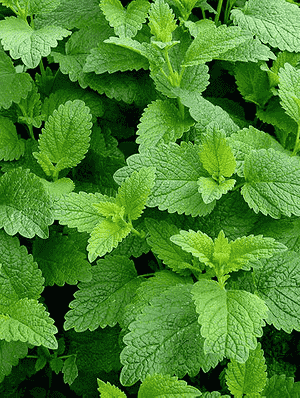
Lemon balm thrives most effectively when relocated between mid-spring and early summer, since these months provide the best environmental factors for development. Select a spot that receives full sun or partial shade, featuring soil that drains efficiently. Should it be required, amend the soil with compost before moving the plant to encourage superior growth.
Essential Preparations Before Relocating Lemon Balm
Optimal Timing for Lemon Balm Relocation?
The best period to move lemon balm is during the pleasant mid-spring to early summer. This timeframe ensures prime development and enhances the plant's lovely fragrance. Enhance your garden's appeal with lemon balm this season!
Recommended Spacing Between Lemon Balm Plants?
When moving lemon balm, ensure plants are spaced approximately 1-2 feet (30-60 cm) apart. This provides sufficient room for their growth and expansion.
Ideal Soil Blend for Lemon Balm Relocation?
For lemon balm, a well-draining soil type with a pH of 6-7.5 is perfect. Incorporate compost and a balanced organic fertilizer to establish a nutrient-rich foundation for your plant's development.
Where to Replant Your Lemon Balm?
Select a spot that receives full sun to partial shade for your lemon balm. They can endure various light conditions, but 4-6 hours of daily sunlight is perfect for robust growth.
Tools to Prepare Before Moving Lemon Balm?
Gardening Gloves
To safeguard your hands while handling soil and plants.
Shovel or Spade
For digging a hole for replanting and extracting the plant from its initial spot.
Watering Can or Garden Hose
To hydrate the plant before and after its relocation.
Pruning Shears
To trim off any dead or damaged foliage and branches.
Trowel
To assist in positioning the plant in its new hole and adding soil.
Garden Fork or Rake
To loosen and prepare the ground for planting.
Compost or Organic Matter
To enrich the soil and guarantee adequate nutrient delivery to the plant.
How to Extract Lemon Balm from the Ground?
How to Extract Lemon Balm from the Ground?
- From Ground:First, moisten the lemon balm plant's soil with water. Next, dig a wide trench around the plant using a shovel or spade, ensuring the plant's root ball remains intact. Carefully work the spade beneath the root ball to lift the plant from its original position.- From Pot:If the lemon balm plant is in a pot, water it thoroughly and allow excess water to drain. Gently squeeze or tap the pot's sides to loosen the root ball before carefully removing the plant by inverting the pot while supporting the root ball.- From Seedling Tray:If moving from a seedling tray, water the tray and let excess water drain. Carefully lift the lemon balm seedling with a trowel, or using your fingers, supporting the root ball and the delicate stem.
Step-by-Step Guide for Relocating Lemon Balm
Location Selection
Choose a spot with adequate sunlight and room for your lemon balm plant to reach its full size.
Soil Preparation
Use a garden fork or rake to loosen and prepare the soil at the new planting site, removing any weeds, rocks, or debris.
Enrich Soil
Add compost or organic material to the planting area to enhance soil structure and nutrient content.
Dig Hole
Use a shovel or spade to dig a hole that is twice as wide and as deep as the lemon balm plant's root ball.
Plant Placement
Carefully position the lemon balm plant in the hole so its root ball is level with the surrounding soil. Gently spread out compacted roots.
Fill Hole
Fill the hole with soil, pressing down gently to eliminate any air pockets. Firmly but carefully pack the soil around the plant to ensure stability.
Water
Thoroughly water the lemon balm plant to moisten the soil and settle it around the root ball.
Post-Relocation Care for Lemon Balm
Watering
Keep the soil around the lemon balm consistently damp, but not waterlogged, for the initial weeks after relocation to aid in root establishment.
Pruning
Use pruning shears to remove any dead or damaged leaves and branches to encourage fresh, healthy growth.
Fertilization
Fertilize the lemon balm plant with a balanced, all-purpose fertilizer or compost after relocation to promote vigorous development.
Pest Management
Monitor for pests and diseases, and address them promptly using suitable organic or chemical treatments.
Growth Monitoring
Regularly observe the lemon balm plant to ensure proper development and overall health, providing necessary care as required.
Addressing Common Issues During Lemon Balm Relocation.
When is the best time to move lemon balm?
The ideal period for relocating lemon balm is from mid-spring to early summer, when the weather is mild and consistent.
How should I space lemon balm plants when moving them?
Provide lemon balm plants ample room by keeping them 1-2 feet (30-60 cm) apart for proper development.
What type of soil is suitable for relocating lemon balm?
Lemon balm prefers well-draining, fertile soil with a pH between 6.0 and 7.5. Incorporate organic matter to enhance soil quality.
How deep should I plant lemon balm during relocation?
Dig a hole deep enough to accommodate the rootball, typically around 6 inches (15 cm), and fully cover the roots.
How much water does lemon balm need after relocation?
Keep the soil consistently moist, but not waterlogged. Water lemon balm once a week, or more frequently during dry periods.
Does lemon balm require a lot of sunlight when moved outdoors?
Lemon balm thrives in full sun to partial shade. Choose a spot where it receives at least 4-6 hours of daily sunlight.
How should I prepare the new site for lemon balm?
Remove any weeds, loosen the soil, and mix in compost or other organic material before relocating lemon balm.
Should I fertilize lemon balm during relocation?
Yes, apply a balanced fertilizer at the time of relocation, and every 4-6 weeks thereafter for optimal growth.
When can I safely move lemon balm seedlings?
Relocate lemon balm seedlings when they have 3-4 sets of true leaves and outdoor temperatures are consistently mild.
What pests and diseases affect relocated lemon balm?
Watch out for whiteflies, spider mites, and powdery mildew. Keep the planting area clean and encourage beneficial insects.



