How to Transplant Chinaberry tree?
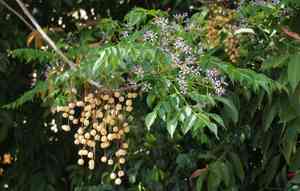
For the chinaberry tree, the most favorable time for transplanting is the balmy interval from late spring through midsummer, facilitating robust root development. Choose a location bathed in sunlight with soil that drains effectively. Carefully introduce the tree to its new environment to avert transplant stress, a crucial step for a successful move.
What Preparations are Needed Before Transplanting Chinaberry Tree?
What is the Ideal Time for Transplanting Chinaberry Tree?
Move chinaberry tree during the lively period of late spring to early summer to guarantee warm soil and steady development. This timing provides chinaberry tree with summer's vitality, promoting strong root establishment prior to winter's cold. Embrace this season, where the promise of sunny days and gentle rains creates a nurturing environment for chinaberry tree to flourish.
How Much Space Should You Leave Between Chinaberry Tree Plants?
When relocating chinaberry tree, ensure sufficient room for its development. Ideally, each plant should be spaced 20-30 feet (6-9 meters) apart. This allows chinaberry tree ample area to spread out comfortably.
What is the Best Soil Mix for Chinaberry Tree Transplanting?
The optimal soil for chinaberry tree would be well-draining. You can enhance its quality by incorporating rich compost or a slow-release granular fertilizer before planting. This preliminary work sets your tree up for success.
Where Should You Relocate Your Chinaberry Tree?
Chinaberry tree thrives in sunlight, so select a spot that receives full sun exposure (at least six hours of daily sunlight). Ensuring chinaberry tree gets adequate light is essential for its healthy growth.
What Equipments Should You Prepare Before Transplantation Chinaberry Tree?
Shovel or Spade
To excavate the plant from its original spot and prepare the planting hole at the new location.
Gardening Gloves
To safeguard your hands while handling soil and the plant.
Pruners
To trim any damaged roots or branches prior to relocation.
Wheelbarrow
To move the plant securely and without causing harm.
Watering Can
To thoroughly hydrate the plant before and after its move.
Root Stimulator
To encourage root development in the new environment.
How Do You Remove Chinaberry Tree from the Soil?
How Do You Remove Chinaberry Tree from the Soil?
From Ground: Have the new planting hole ready. Water the chinaberry tree plant to moisten the soil. This will facilitate digging and minimize plant stress. Using your shovel or spade, carefully dig around the plant's base, keeping the tool at a slight angle to avoid root damage. Work your way around, gently lifting the root ball from the ground.From Pot: Water the chinaberry tree plant and let it drain. Gently lay the pot on its side, press lightly on its sides to loosen the soil, and slide the root ball out. Try to keep as much potting soil as possible attached to the root ball.From Seedling Tray: Use a spoon or small garden trowel to carefully lift the chinaberry tree seedling, along with its root ball, from the tray. Handle the seedling by its leaves or root ball, not the stem.
Step-by-Step Guide for Transplanting Chinaberry Tree
Preparation
Prepare the new planting site before disturbing the chinaberry tree. The hole should be 2-3 times the root ball's width, but no deeper. Fill the hole with water and allow it to drain.
Removal
Using the previously described methods, extract the chinaberry tree from its initial location. Trim any diseased or broken roots.
Transplant
Position the chinaberry tree in the center of the planting hole. Adjust the plant so it stands upright.
Fill In
Backfill the hole with soil, gently firming it around the base of the chinaberry tree.
Water
Thoroughly water the relocated tree, saturating the root zone. Add a root stimulator solution to the water to promote faster root development.
Monitor
Observe the chinaberry tree for signs of stress in the subsequent weeks.
How Do You Care For Chinaberry Tree After Transplanting?
Watering
The chinaberry tree needs consistent watering until it is well-established. Deep watering encourages roots to extend further into the ground.
Pruning
Early pruning to shape the tree aids in establishing a robust structure. Prune the chinaberry tree during its dormant period.
Protection
Utilize a tree guard to shield the chinaberry tree from pests or animal damage.
Mulching
Apply a layer of mulch around the base of your chinaberry tree to retain soil moisture and suppress weeds.
Monitoring
Watch for indications of transplant shock, such as yellowing foliage or drooping branches, and seek advice from a local garden center or extension service for solutions if necessary.
Troubleshooting Common Issues with Chinaberry Tree Transplantation.
When is the perfect time to transplant chinaberry tree?
The most favorable time to move chinaberry tree is during late summer to early autumn (S3-S5). This allows ample time for chinaberry tree to re-establish itself before winter conditions become harsher.
What space should be maintained when transplanting chinaberry tree?
For healthy growth of chinaberry tree, ensure a distance of 20-30 feet (6-9 meters). Spacing them widely allows each tree to receive adequate light and nutrients.
How deeply should I dig while preparing the hole for chinaberry tree transplant?
The hole should be twice as wide and as deep as the root ball of chinaberry tree. This provides the roots ample space to spread and settle.
What type of soil is ideal for transplanting chinaberry tree?
Chinaberry tree is not particular about soil type. However, ensure the soil has good drainage properties as chinaberry tree dislikes 'wet feet' or waterlogged conditions.
What should be done if the leaves of chinaberry tree turn yellow after transplanting?
Yellow leaves post-transplant could indicate shock or excessive watering. Ensure chinaberry tree is not overwatered, and be patient. The plant should stabilize after some time.
Why is chinaberry tree wilting after transplant?
Wilting is a common symptom of transplant shock. Maintain adequate watering and ensure chinaberry tree is properly mulched to retain soil moisture.
Why is chinaberry tree not growing after being transplanted?
Chinaberry tree may take time to re-establish due to transplant shock. Also, it might be prioritizing root system development underground over new green growth.
Why is the bark of my transplanted chinaberry tree cracking?
If chinaberry tree bark is cracking, it's often due to extreme weather fluctuations like sudden freezing and thawing. Try to maintain a more consistent environment for chinaberry tree, if possible.
What to do if fungi appears after transplanting chinaberry tree?
Fungi typically appear due to overwatering or poor drainage. Check the watering schedule and soil texture, and apply a fungicide if necessary.
How often should a newly transplanted chinaberry tree be watered?
For the initial few weeks after relocating chinaberry tree, water it thoroughly 1-2 times per week. Adjust if you observe signs of overwatering or underwatering.



