How to Transplant Bur clover?
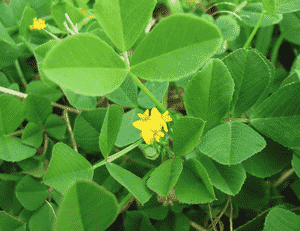
The ideal period for relocating bur clover is from mid-spring through early summer, as temperatures are conducive to root development. Select a site that receives full sun to partial shade, featuring soil that drains effectively. A gentle watering after transplanting helps ensure a robust beginning for bur clover.
What Preparations are Needed Before Transplanting Bur Clover?
What is the Ideal Time for Transplanting Bur Clover?
The prime window for relocating bur clover spans from the lively period of mid to late spring, extending into the threshold of early summer. This season, characterized by mild temperatures and consistent soil moisture, fosters an optimal setting for bur clover to establish its root system robustly. Moving bur clover during this timeframe allows it to benefit from increasing daylight and warming soils, conditions vital for its post-transplant growth surge. Gently introducing bur clover to your garden during this period ensures a smooth transition, promoting resilience before the summer heat intensifies.
How Much Space Should You Leave Between Bur Clover Plants?
When moving bur clover, it's crucial to provide ample room for each plant to develop. Aim for a spacing of approximately 1-2 feet (30-60 cm) between individual plants. This will promote healthy growth and prevent overcrowding.
What is the Best Soil Mix for Bur Clover Transplanting?
Prior to transplanting bur clover, prepare the soil by ensuring a balanced mix of sand, silt, and clay. The soil should drain effectively and be enriched with an organic fertilizer for optimal outcomes. A pH level between 6.0 and 7.5 would be perfect!
Where Should You Relocate Your Bur Clover?
Selecting an appropriate site is crucial for bur clover. Choose a location that receives full to partial sunlight (6-8 hours daily). A small amount of shade is acceptable, but excessive shade can impede growth.
What Equipments Should You Prepare Before Transplantation Bur Clover?
Gardening Gloves
To safeguard your hands while handling the plant and prevent any irritating contact with the soil.
Spade or Trowel
These tools are used for excavating the necessary hole for transplanting and lifting the bur clover's root ball from its original spot.
Watering Can or Hose
Required to hydrate the bur clover plant once the transplanting process is finished.
Wheelbarrow
Facilitates the transportation of the bur clover plant from its initial location to the new site, especially if the plant is large or the distance between locations is significant.
Pruning Shears
These might be necessary to trim any damaged or diseased branches or roots before transplanting the bur clover plant.
How Do You Remove Bur Clover from the Soil?
How Do You Remove Bur Clover from the Soil?
From ground: To extract bur clover from the ground, begin by saturating the area around the plant with water. This will loosen the soil, making plant removal easier. Carefully dig around the plant's base, taking care not to cut into the root ball, and lift the plant from the ground.From pot: If bur clover is in a container, the procedure is simpler. Start by thoroughly watering the pot, then turn it on its side, grasping the plant at its base. Gently ease it out while tapping the pot's bottom.From seedling tray: To remove bur clover from a seedling tray, gently squeeze the base of each cell to loosen the soil and roots. Carefully lift the seedling by its leaves, not the stem, and guide the root ball out of the cell.
Step-by-Step Guide for Transplanting Bur Clover
Preparation
Ensure the new planting site is prepared and ready. This should involve digging a hole that is sufficiently large and deep for the bur clover plant's roots.
Transition
Place bur clover into the planting hole. Carefully backfill the hole, making sure the bur clover root-ball is at the same soil level as it was in its previous spot.
Watering
Water thoroughly immediately after planting. Saturate the soil so that the water reaches the bur clover's root system. A slow, deep watering technique is most effective.
Monitoring
Observe the bur clover in the days and weeks following transplantation. Look for indications of stress, such as wilting or discolored foliage.
How Do You Care For Bur Clover After Transplanting?
Watering
After transplanting, it's vital to keep the bur clover's soil moist. However, be careful not to overwater, as proper drainage is essential to prevent root rot.
Pruning
Remove any damaged or diseased portions of bur clover to encourage vigorous new growth.
Protection
Consider protective measures if bur clover is susceptible to pests. A natural insecticide or beneficial companion plants could be options.
Monitoring
Keep a close watch on your bur clover. If it shows signs of stress (wilting, yellowing leaves, etc.), it might require more water or shade.
Troubleshooting Common Issues with Bur Clover Transplantation.
What is the perfect period for transplanting the bur clover?
The optimal seasons for relocating bur clover are late spring to early fall (S2-S4), when the weather is moderately warm.
What spacing shall I maintain while planting bur clover?
Ensure that each bur clover plant is given a space of around 1-2 feet (30-60 cm). This allows for healthy growth and prevents overcrowding.
Does the size of the pot affect the growth of bur clover?
Absolutely! The container should be ample enough to accommodate the development of bur clover roots. A pot of 12-15 inches (30-38 cm) in diameter should be ideal.
What's the best way to prepare the soil for bur clover transplantation?
The soil should be rich in nutrients and drain well. Consider mixing compost or organic matter into your garden soil to provide the bur clover with essential nutrients.
How much watering does bur clover need after transplantation?
Bur clover needs careful watering post-transplantation. Water deeply initially, then allow the topsoil to dry out slightly before the next watering.
What kind of sunlight does the bur clover need post-transplantation?
Bur clover thrives best in full sun. However, it can tolerate partial shade, but make sure it gets at least 6 hours of direct sunlight daily.
Does the transplantation of bur clover require any kind of fertilizer?
Yes. Apply a balanced, slow-release fertilizer at the time of transplanting bur clover. Follow package instructions for application rate and frequency.
How do I ensure the bur clover seedling is transplanted correctly?
Ensure the entire root ball is covered with soil and the plant is at the same depth in the soil as it was in the original container.
How can I reduce transplant shock in bur clover?
Minimize transplant shock by watering well before and after planting, avoid transplanting in extreme temperatures, and provide shade, if necessary, for the first few days.
What is the indication that bur clover transplanting was successful?
Healthy new growth is a good indicator that bur clover transplanting was successful. Look for new shoots or leaves, and overall vigor and color.



