How to Transplant Black medick?
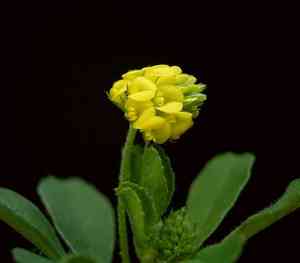
The optimal window for transplanting black medick is the revitalizing phase of mid to late spring or the commencement of early summer, guaranteeing vigorous development. Select a location exposed to ample sunlight with effective drainage. Careful manipulation is crucial to avoid upsetting the root system.
What Preparations are Needed Before Transplanting Black Medick?
What is the Ideal Time for Transplanting Black Medick?
For black medick, the optimal period for relocation is late spring to early summer. This timing allows black medick to develop a strong root system before intense heat, providing an excellent start to growth. Moving black medick during this milder season improves survival rates, promising a flourishing display. Remember, patience during these gentler months leads to the best establishment for black medick, ensuring a successful transition from container to garden.
How Much Space Should You Leave Between Black Medick Plants?
To ensure black medick's optimal development, position each plant approximately 1-2 feet (30-60 cm) apart. This spacing will provide ample room for roots to expand freely and maintain plant vitality.
What is the Best Soil Mix for Black Medick Transplanting?
Let's begin by preparing a suitable soil blend. Black medick thrives in a well-draining, loamy soil type. Regarding nutrients, a foundational fertilizer with balanced proportions of nitrogen, phosphorus, and potassium would be quite appropriate.
Where Should You Relocate Your Black Medick?
Black medick thrives with ample sunlight, so select a spot where the plant will receive 6-8 hours of direct sun daily. However, it can also endure less sun without significant detriment.
What Equipments Should You Prepare Before Transplantation Black Medick?
Gardening Gloves
To shield your hands from scrapes and irritation while handling black medick and working with soil.
Trowel
To carefully excavate black medick from its original spot without harming the root structure.
Spade
To dig the receiving hole where black medick will be replanted.
Watering Can
To hydrate black medick following its relocation.
Compost
To enrich the new planting location with essential nutrients.
Mulch
To retain soil moisture and inhibit weed growth around black medick.
Gardening Fork
To aerate the soil and break up any dense clumps prior to transplantation.
How Do You Remove Black Medick from the Soil?
How Do You Remove Black Medick from the Soil?
From Ground: If black medick is growing in the ground, lightly water the plant to moisten the soil, making excavation easier. Use a trowel to dig around the root ball, keeping as many roots intact as possible, then gently lift the plant from the soil.From Pot: For a potted black medick, water the plant, then turn the pot sideways, gently tapping it to loosen the soil and root ball. It's crucial not to pull the plant forcefully, as this can damage the roots.From Seedling Tray: For a seedling, water the tray first, then gently press the soil beneath the seedling, slowly lifting black medick with a spoon or small tool to keep the root system as complete as possible.
Step-by-Step Guide for Transplanting Black Medick
Transplanting Time
Relocate black medick in the early morning or late afternoon when solar intensity is lower to prevent transplant shock.
Site Preparation
Use a spade to excavate a hole twice as wide and of similar depth to black medick's root ball. Break up any hard soil clumps with a gardening fork.
Soil Preparation
Incorporate compost into the removed soil to enhance fertility and facilitate easy root establishment.
Transplanting
Position black medick in the hole at the same depth it was previously, then backfill the hole with prepared soil, gently firming it around the plant.
Watering
Thoroughly water the newly transplanted black medick after planting to settle the soil and eliminate air pockets.
Mulching
Apply a thin layer of mulch around the plant, leaving some space near the stem to prevent waterlogging and rot.
How Do You Care For Black Medick After Transplanting?
Watering
Ensure black medick receives regular watering, especially during the initial weeks post-transplant. The soil should remain consistently moist but not waterlogged.
Weed Control
Monitor for any weeds around black medick as they can compete for resources. Consistent mulching can help suppress weed growth.
Pruning
Remove any damaged or diseased leaves or branches from black medick to direct the plant's energy towards healthy growth and foliage.
Protection
Shield black medick from harsh weather conditions like frost or heavy rainfall for the first few days after transplantation by providing a temporary cover.
Observation
Regularly check for any indications of transplant shock or disease, such as wilting or discolored leaves. Act promptly if such signs are observed.
Troubleshooting Common Issues with Black Medick Transplantation.
When is the best time to transplant black medick?
The optimal period to relocate black medick is during its second to fourth growth seasons. This allows the plant to better adapt to sudden environmental changes.
How should I space black medick during transplanting?
Ensure you provide adequate spacing of approximately 1-2 feet (30-60 cm) between each plant. This gives black medick sufficient room to grow and flourish.
What kind of soil does black medick need for transplanting?
Black medick prefers soil that is well-drained yet retains moisture. The soil pH should be neutral to slightly alkaline, ensuring prime growth conditions.
What steps should I follow while transplanting black medick?
Begin by loosening the soil in the new planting area. Place black medick in the hole, ensuring the root ball is level with the soil surface. Fill the hole, firm the soil, and water thoroughly.
How much water does black medick need after transplanting?
Water black medick immediately after transplanting. Subsequently, ensure moderate watering – the soil needs to be moist, but not saturated. Excessive watering can lead to root rot.
What should I do if my black medick shows signs of wilting after transplanting?
First, check for over or under-watering. If that's not the issue, consider other potential problems such as pest infestation or disease. Ensure the plant is adequately supported and not overcrowded.
What sunlight conditions are best for black medick post-transplant?
Black medick thrives in full sunlight to partial shade. Ensure your transplant location receives at least six hours of sunlight daily for optimal plant health.
Should I use any fertilizer while transplanting black medick?
During transplantation, adding a balanced organic fertilizer can provide black medick with a nutritional boost. However, overuse can damage the roots, so apply according to the fertilizer's instructions.
Why are my transplanted black medick plants not growing well?
Poor growth can stem from various factors – insufficient sunlight, improper watering, unsuitable soil pH, or nutrient deficiency. Try to identify and correct the contributing factor.
Can black medick be transplanted alongside other plants?
Black medick pairs well with a variety of plants. Just ensure each plant species' growth requirements are met and there's enough space for each to grow without competition.



