How to Transplant Tenweeks stock?
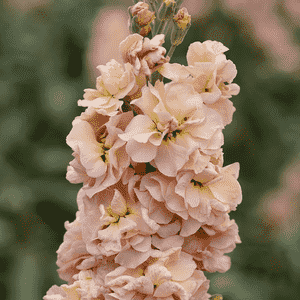
For tenweeks stock to flourish optimally, relocate it during the ideal period of mid-to-late spring. Select a site that fulfills tenweeks stock's environmental needs, including soil with good drainage and ample sunlight. During the transplanting process, proceed gently to prevent harm to its delicate root system.
Essential Preparations Before Relocating Tenweeks Stock?
Optimal Period for Moving Tenweeks Stock?
The best time to move your tenweeks stock is from mid-spring to late spring. This timeframe offers ideal temperatures and conditions for rapid development, ensuring robust and vibrant tenweeks stock. Consider transplanting them then for peak vitality.
Recommended Spacing Between Tenweeks Stock Plants?
To provide ample room for growth, position your tenweeks stock 12-18 inches (30-45 cm) apart during transplantation. This spacing promotes healthy root growth and air circulation among the plants.
Ideal Soil Blend for Tenweeks Stock Transplanting?
For tenweeks stock to flourish, prepare soil that drains well and has a slightly alkaline pH (7.0-7.5). Incorporate a slow-release, balanced granular fertilizer into the soil to supply vital nutrients for your plant.
Optimal Location for Your Tenweeks Stock?
Select a site that receives at least 6 hours of direct sunlight daily for your transplanted tenweeks stock. Sufficient sunlight encourages strong growth and the production of vivid blooms!
Tools Required Before Transplanting Tenweeks Stock?
Trowel
To excavate the plant from its original spot and create a new hole at the destination.
Garden Spade
For larger tenweeks stock plants, a spade may be necessary to dig them out of the ground.
Gardening Gloves
To safeguard your hands while handling soil and plants.
Watering can
To hydrate the tenweeks stock plant during and after the relocation process.
A Bucket or Wheelbarrow
To transport the tenweeks stock plant from its initial location to the new one.
Organic Compost
To enrich the soil with essential nutrients for your tenweeks stock's development.
Method for Extracting Tenweeks Stock from the Soil?
Method for Extracting Tenweeks Stock from the Soil?
From Ground: Prior to digging up your tenweeks stock plant, water it thoroughly to minimize transplant stress. Next, dig a wide circle around the plant using a trowel or garden spade, being careful not to damage the root ball. Gently lift the plant from the ground, preserving as much of the root system as possible.From Pot: Water the tenweeks stock plant and let it sit for a few minutes before carefully tilting it on its side. Apply gentle pressure to loosen the plant and soil from the pot. If roots are tightly coiled, carefully untangle the root ball before transplanting.From Seedling Tray: Gently lift the tenweeks stock seedling by its leaves, avoiding the stem. If the seedling doesn't come out easily, use a utensil like a spork or tongue depressor to loosen the soil and assist its removal. Handle the young plant with care to prevent damage to its delicate roots.
Step-by-Step Instructions for Transplanting Tenweeks Stock
Prepare the Planting Hole
Dig a hole twice as wide and slightly deeper than the tenweeks stock plant's root ball. Add a layer of organic compost at the bottom for added nourishment.
Assess Root Health
Examine the roots. If any appear diseased or damaged, trim them with clean pruning shears. If the plant was in a pot or seed tray, gently spread out the roots.
Perform the Transplant
Position the tenweeks stock plant into the hole, ensuring the top of the root ball is level with the ground. Backfill the hole with soil, gently firming it around the plant's base.
Water Extensively
Water the tenweeks stock thoroughly after planting. This helps settle the soil around the roots and reduces transplant shock.
Post-Transplantation Care for Tenweeks Stock?
Watering Regimen
Water your tenweeks stock generously immediately after transplanting, and maintain consistent soil moisture (but not saturation) for the initial few weeks.
Observation Period
Monitor your tenweeks stock closely for several weeks post-transplant. The plant might show some wilting initially, but with proper care, it should recover. If not, it may require more water, shade, or other adjustments.
Pruning Practices
If necessary, prune any damaged or drooping leaves to conserve the tenweeks stock plant's energy for root development. Avoid fertilizing immediately after transplanting; wait a few weeks until the plant has established itself.
Pest Management
Regularly check for signs of pests or diseases and address them promptly if observed to prevent further harm.
Resolving Common Issues with Tenweeks Stock Transplantation.
Optimal Time for Transplanting Tenweeks Stock Plants?
The best period to transplant tenweeks stock plants is from mid-spring to late spring, when temperatures are warmer but not excessively hot.
Recommended Spacing Between Tenweeks Stock Plants?
To ensure robust growth, maintain an ideal spacing of approximately 12-18 inches (30-45 cm) between tenweeks stock plants when transplanting outdoors.
Reasons for Unsuccessful Tenweeks Stock Transplants?
Tenweeks stock plants may struggle due to transplant shock, often caused by abrupt environmental changes. Always acclimate plants before moving them.
How to Safeguard Transplanted Tenweeks Stock Plants from Pests?
Keep your garden tidy and employ organic or professional pest control methods if needed. Avoid overwatering tenweeks stock, as this can attract pests.
How Much Water Should I Give My Tenweeks Stock After Transplanting?
Water tenweeks stock generously after transplanting. However, ensure adequate drainage to prevent waterlogging.
Is Immediate Fertilization Necessary for Transplanted Tenweeks Stock?
No, refrain from fertilizing immediately after transplanting. Wait about a week, allowing tenweeks stock to adapt to its new environment first.
Suitable Soil Conditions for Transplanting Tenweeks Stock?
Tenweeks stock plants thrive in well-drained soil. Improve the soil, if required, by adding compost or organic matter before planting.
What if I Observe Yellow Leaves on My Tenweeks Stock After Transplanting?
Yellow leaves could indicate overwatering, excessive sunlight, or a nutrient deficiency. Adjust watering and location as needed, and consider a balanced fertilizer.
Why is My Tenweeks Stock Plant Wilting After Transplanting?
Wilting tenweeks stock might be due to transplant shock or insufficient watering. Maintain soil moisture and protect from harsh weather for a few days.
Optimal Sun Exposure for Tenweeks Stock Post-Transplantation?
Tenweeks stock prefer full sun to partial shade. Too much shade may impede their growth, while direct, intense sunlight could cause stress.



