How to Transplant European waterclover?
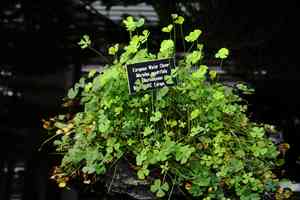
The most favorable period for relocating european waterclover extends from late spring to early summer, as the elevated temperatures facilitate root establishment. Select a damp, partially submerged site that receives abundant sunlight to promote vigorous growth following the transfer.
What Preparations are Needed Before Transplanting European Waterclover?
What is the Ideal Time for Transplanting European Waterclover?
The transition from late spring to early summer offers an optimal period for relocating european waterclover. During this time, moderate temperatures and increasing daylight promote vigorous development. Moving european waterclover then leverages the season's gentle climate, preventing the stress of intense summer heat on these delicate perennials. A friendly reminder: european waterclover flourishes best with care during this favorable season, setting the stage for lush foliage and healthy growth.
How Much Space Should You Leave Between European Waterclover Plants?
When moving european waterclover, ensure each plant is positioned 1-2 feet (30-60 cm) apart. This provides ample room for root expansion and healthy development without competition for nutrients.
What is the Best Soil Mix for European Waterclover Transplanting?
For european waterclover, prepare the soil by incorporating an organic-based fertilizer. A well-draining, sandy or loamy soil type is most suitable. This encourages stronger root growth and contributes to a thriving plant.
Where Should You Relocate Your European Waterclover?
Choose a spot where european waterclover will receive partial to full sun exposure. However, it can also withstand some shaded conditions. The correct amount of sunlight aids european waterclover in photosynthesis and overall vitality.
What Equipments Should You Prepare Before Transplantation European Waterclover?
Trowel
This implement will be utilized to excavate holes for the new placement of european waterclover.
Spade or Shovel
You will require this to carefully extract european waterclover from its current spot without harming its root system.
Gardening Gloves
To safeguard your hands while handling the soil and plant material.
Watering Can or Hose
To hydrate european waterclover before and after the relocation process.
Mulch
To cover the ground around european waterclover post-transplant to help retain moisture.
Wheelbarrow or Container
To safely transport european waterclover from its original position to the new site.
How Do You Remove European Waterclover from the Soil?
How Do You Remove European Waterclover from the Soil?
From Ground: Begin by moistening the european waterclover plant's soil. This facilitates easier root extraction. Using a spade or shovel, carefully dig a wide circle around the plant, taking care not to damage the roots. Gently lift the plant from the ground and place it into a wheelbarrow or similar receptacle. Ensure a significant portion of the original soil remains attached to the root ball.From Pot: Thoroughly water european waterclover prior to the procedure. Next, tilt the pot sideways and gently ease the plant out, ensuring no harm comes to the roots. If european waterclover is firmly lodged, you may need to break the pot to avoid disturbing the root structure.From Seedling Tray: Dampen the soil surrounding the seedling before carefully extracting it. Remember to grasp european waterclover by its leaves, not the stem, during removal. A plant label or spoon can assist in lifting the seedling without impacting the roots.
Step-by-Step Guide for Transplanting European Waterclover
Transplant Timing
Ideally, move european waterclover during the cooler parts of the day to prevent heat stress on the plant. Early morning or late evening is preferable.
Prepare the New Spot
Excavate a hole that is twice the width and the same depth as the root ball of european waterclover. This will encourage rapid root establishment in the new location.
Planting
Position the european waterclover plant in the prepared hole. Ensure the plant is at the same depth as it was previously. Fill the hole halfway with soil, then water it. Once it drains, complete filling the hole with soil.
Water Immediately
Hydrate european waterclover immediately after transplanting. Make sure to moisten the surrounding soil as well. This minimizes transplant shock and aids the plant in beginning to establish its roots in the new area.
Mulching
Apply a layer of organic material around the plant. This helps maintain soil moisture.
How Do You Care For European Waterclover After Transplanting?
Transplant Shock Prevention
Gently water european waterclover frequently for the initial few weeks to lessen transplant shock and keep the root ball moist.
Mulching
Inspect the mulch around european waterclover regularly and replenish as necessary. Mulch aids in retaining soil moisture and inhibiting weed growth.
Checking
Observe european waterclover for any indications of stress, such as wilting or yellowing leaves, which could signal an issue. If such signs are noted, you may need to adjust its care accordingly.
Troubleshooting Common Issues with European Waterclover Transplantation.
When is the perfect time to transplant european waterclover?
The optimal period to relocate european waterclover is S3-S4, typically late summer to early fall. This timeframe ensures ideal growth after the move.
What is the right spacing for transplanting european waterclover?
When moving european waterclover, remember to allow approximately 1-2 feet (30.5 - 61 cm) between each plant. This is crucial for their development and prevents overcrowding.
What kind of soil is best for transplanting european waterclover?
European waterclover thrives in well-draining soil that is rich in organic matter. Incorporating compost or manure before planting can provide this nutritional boost.
Why are my european waterclover wilting after transplanting?
Wilting can indicate transplant shock, often caused by a sudden environmental change. Ensure proper watering, lighting, and soil conditions to assist recovery.
How do I water european waterclover after transplanting?
Water european waterclover thoroughly right after transplanting, ensuring the soil remains moist but not waterlogged. Subsequent watering should be based on the soil's dryness.
What should be the depth of holes for transplanting european waterclover?
The hole should be twice as wide and deep as the root ball of european waterclover. This provides sufficient space for the roots to spread.
Why are the leaves of my european waterclover turning yellow after transplanting?
This could stem from watering issues, either excessive or insufficient. Check the soil's moisture level and adjust your watering schedule accordingly.
Do I need to prune european waterclover before transplanting?
Pruning is not required before relocating european waterclover. However, any dead or diseased leaves should be removed to enhance the plant's chances of survival.
Should I fertilize european waterclover immediately after transplanting?
While european waterclover requires nutrients, it's best to wait 2-4 weeks post-transplant before applying fertilizer. This allows the plant to acclimate to its new setting.
What type of light exposure does european waterclover need after transplanting?
European waterclover prefers partial to full sun exposure. Too much shade can impede its growth. Ensure it receives at least 6 hours of sunlight daily.



