How to Transplant Prayer plant?
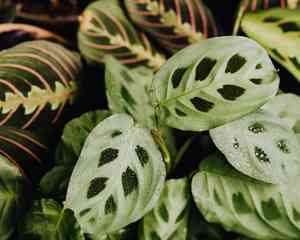
The ideal period for relocating a prayer plant is in the warmer part of the year, from late spring through early summer. Select a spot with partial shade and soil that drains effectively to encourage robust development. When moving the plant, exercise care to prevent harm to its roots, ensuring a smooth adjustment.
What Preparations are Needed Before Transplanting Prayer Plant?
What is the Ideal Time for Transplanting Prayer Plant?
Late spring through early summer, often called the 'season of fresh starts', is perfect for relocating prayer plant. Repotting prayer plant during this period allows it to benefit from gentle rains and mild sun, fostering a healthy growth environment. Its vibrant foliage will flourish, developing a lush, strong form, making your gardening efforts worthwhile. Preparing prayer plant's new home at this time is truly ideal!
How Much Space Should You Leave Between Prayer Plant Plants?
When moving your prayer plant, ensure they are spaced approximately 2 feet (60 cm) apart. This provides ample room for each plant to expand and grow without competing for resources or space.
What is the Best Soil Mix for Prayer Plant Transplanting?
For your prayer plant, select a well-draining soil rich in organic matter. Incorporate a slow-release, balanced fertilizer, such as 10-10-10, at the package-recommended rate to supply essential nutrients for the plant.
Where Should You Relocate Your Prayer Plant?
To ensure your prayer plant thrives, choose a spot that receives bright, indirect sunlight. Avoid placing it in direct sun, as its colorful leaves may get scorched. A location near an east or north-facing window is suitable.
What Equipments Should You Prepare Before Transplantation Prayer Plant?
Gardening Gloves
To safeguard your hands while handling soil and prayer plant.
Shovel or Garden Spade
To excavate the planting hole and carefully extract the plant from its original spot.
Garden Trowel
For minor digging tasks and adjusting soil within the planting hole.
Watering Can or Hose
To hydrate the prayer plant before and after its relocation.
Garden Fork
To assist in loosening the soil in the designated planting area.
Compost, Peat Moss, or Well-rotted Manure
To enrich the soil for the prayer plant in its new setting.
Mulch
To help insulate roots, retain moisture, and prevent weeds after transplanting.
How Do You Remove Prayer Plant from the Soil?
How Do You Remove Prayer Plant from the Soil?
From Ground: First, water the prayer plant to moisten the soil. Then, dig a wide trench around the plant using a shovel or spade, ensuring the plant's root ball remains intact. Carefully work the spade beneath the root ball to lift the plant from its original location.From Pot: To extract a prayer plant from a pot, water the plant to dampen the soil beforehand. Gently lay the pot on its side and carefully slide the plant out, trying not to disturb the root ball. If the plant is stuck, try lightly tapping the pot on the ground or use a trowel to loosen the soil around the edge.From Seedling Tray: If your prayer plant is still in a seedling tray, gently grasp the plant by the stem/base and carefully lift it out of the tray. Be cautious not to disturb the roots as you remove the plant.
Step-by-Step Guide for Transplanting Prayer Plant
Site Selection
Select a location with adequate space and temperature conditions for your prayer plant to reach its full size.
Soil Preparation
Use a garden fork to loosen the soil in the transplant area, then mix in compost, peat moss, or well-rotted manure to enhance soil structure.
Digging the Hole
Excavate a planting hole slightly larger than the root ball of your prayer plant.
Adjusting Depth
Gently place the prayer plant in the hole, ensuring it is at the same depth as it was in its previous location. Adjust the soil beneath the roots to achieve the correct planting depth.
Backfilling the Hole
Carefully refill the hole with soil, keeping the root ball intact, and press the soil firmly around the plant to eliminate air pockets.
Watering
Thoroughly water your newly transplanted prayer plant to help settle the soil around its roots.
Mulching
Apply a layer of mulch around the base of the prayer plant, ensuring it does not touch the stem, to help retain moisture and suppress weeds.
How Do You Care For Prayer Plant After Transplanting?
Watering
Water the prayer plant consistently, keeping the soil moist but not waterlogged, for the initial weeks after transplanting to aid in root establishment.
Pruning
Remove any damaged or dead leaves to encourage new growth.
Monitoring
Observe for signs of stress, such as wilting or browning leaves, and adjust the plant's care as necessary. Watch for pests and diseases, and treat them promptly to ensure the health of your prayer plant.
Fertilizing
Once your prayer plant has acclimated to its new spot, provide appropriate fertilization according to its specific needs or recommended schedule.
Troubleshooting Common Issues with Prayer Plant Transplantation.
When is the ideal time of the year to transplant prayer plant?
The optimal period to transplant prayer plant is from late spring to early summer, allowing it to settle before the summer heat.
How much space should I leave between prayer plant plants when transplanting?
Allow approximately 2 feet (around 60 cm) between each prayer plant to ensure sufficient room for growth and proper air circulation.
Do I need a larger pot when transplanting prayer plant?
Yes, select a pot that is 1-2 inches (2.5-5 cm) wider in diameter than the current one. This provides your prayer plant with space to grow.
What type of soil is best when transplanting prayer plant?
Prayer plant prefers well-drained soil. A mixture of half potting soil and half perlite or vermiculite would be ideal for prayer plant.
Should I water prayer plant immediately after transplanting?
Absolutely, water prayer plant thoroughly after transplanting. This helps settle the soil and ensures roots are not in air pockets.
How much sunlight does a newly transplanted prayer plant need?
Prayer plant thrives in bright but indirect light. Avoid direct sunlight, as this can cause its leaves to burn.
Can I fertilize prayer plant immediately after transplanting?
Wait a few weeks after transplanting before you begin fertilizing. Prayer plant may be sensitive to fertilizer in its new environment.
What should I do if the leaves of prayer plant start to yellow after transplanting?
Yellowing can indicate overwatering. Allow the soil to dry out somewhat before watering your prayer plant again. If it persists, check for root rot.
Why are the leaves of my transplanted prayer plant curling up?
Leaf curling typically suggests that prayer plant is attempting to conserve water. This might mean it's not receiving enough moisture.
Do I need to prune prayer plant after transplanting?
Pruning is not mandatory, but it can help remove any damaged or stressed leaves, allowing your prayer plant to focus on new growth post-transplant.



